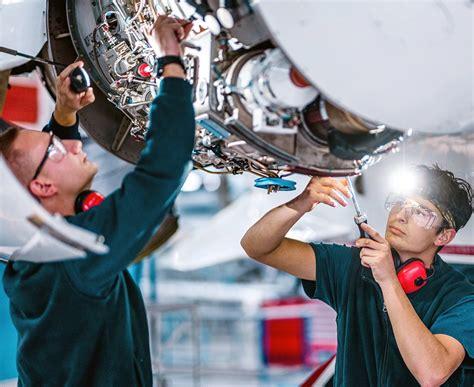
Airplane mechanic classes offer a direct route into one of the most vital sectors of the global transportation industry — aviation maintenance. With air travel projected to grow in volume and complexity over the next decade, the demand for FAA-certified technicians is surging. At institutions like the Universal Technical Institute (UTI), students receive both academic instruction and hands-on training, enabling them to pursue certification and start working in the field in as little as two years.
Aviation maintenance is a specialized discipline grounded in airframe and powerplant sciences, and modern education in this field reflects that complexity. The Airframe & Powerplant (A&P) Technician training program prepares students not just to understand aircraft systems, but to maintain, troubleshoot, and repair them under real-world conditions. These skills are essential for passing the Federal Aviation Administration (FAA) certification exam, which is the industry standard for aviation mechanics.
Hands-On Learning with Real Aircraft Systems
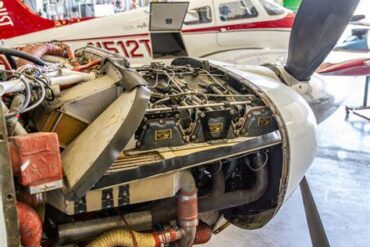
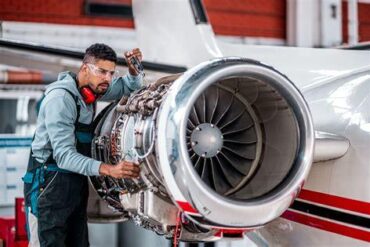
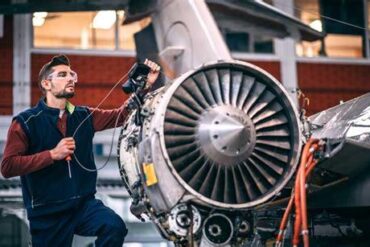
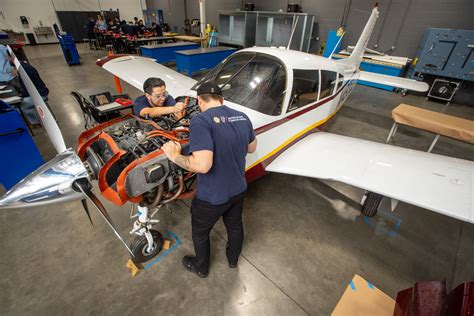
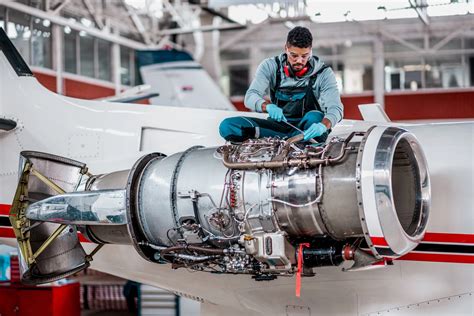
What distinguishes UTI’s airplane mechanic classes is their immersive, practical nature. Students don’t just sit in classrooms; they work directly on aircraft components under the supervision of instructors with industry experience. This approach allows them to internalize complex procedures — from hydraulic pump inspection to turbine engine disassembly — by doing, not just reading.
Key elements of the training include:
-
Hydraulics and Pneumatics: Learn fluid power systems, seals, washers, and pressure regulation through detailed teardown and reassembly exercises.
-
Powerplant Lubrication Systems: Understand lubricants, system components, and FAA maintenance standards for oil systems.
-
Turbine Engine Design: Explore the evolution of turbojet, turboprop, and turbofan systems and their operational differences.
This emphasis on experiential learning means students graduate with the competence and confidence to tackle complex mechanical challenges from day one on the job.
Comprehensive Course Curriculum Aligned with FAA Certification
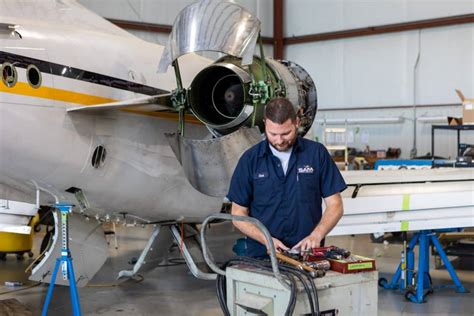
The structure of these airplane mechanic classes follows strict guidelines established by the FAA to ensure every graduate is qualified to pursue certification. Topics span all major systems of modern aircraft, including both metallic and composite structures.
Among the most critical subject areas:
-
Basic Sheetmetal and Welding Familiarization: Covers fabrication, oxyacetylene operations, and structural repairs in accordance with FAA mandates.
-
Non-Metallic Structures: Focuses on modern materials like Kevlar and fiberglass, alongside legacy components such as fabric and wood.
-
Navigation and Communication Systems: Provides exposure to avionics, including autopilot systems, radios, and navigation aids, with a focus on installation and troubleshooting.
-
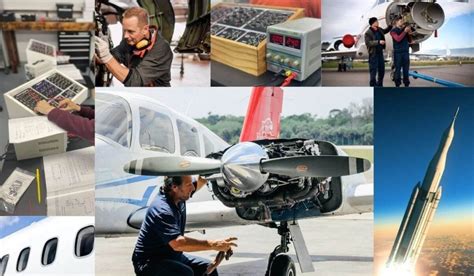
Propellers: Teaches theory and practice of propeller systems, balancing, synchronizing, and troubleshooting.
This academic depth ensures students are not only employable upon graduation but capable of adapting to an industry where technologies continue to evolve rapidly.
Training Locations Across the U.S.
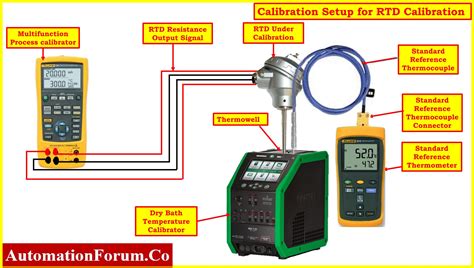
UTI offers its Airframe & Powerplant Technician program at several locations to provide geographical flexibility and access to local job markets. Students can enroll in:
-
Avondale, Arizona
-
Long Beach, California
-
Miramar, Florida
-
Houston, Texas
Additionally, UTI Canton in Michigan offers an Aviation Maintenance Technology program, culminating in an Associate of Applied Science (AAS) degree. These strategically placed campuses serve as regional hubs for aviation training, each with facilities designed to simulate real-world aviation environments.
Career Outlook and Job Placement Support
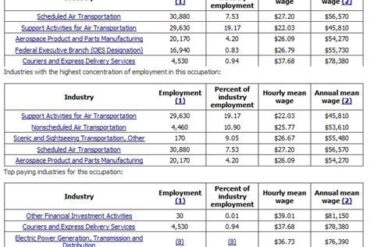
Graduates from UTI’s airplane mechanic classes enter a labor market with strong prospects. According to labor data, demand for certified aviation mechanics is expected to remain robust, driven by aging aircraft fleets, increased airline traffic, and a retirement wave among senior technicians.
Upon completing the program, students are eligible to test for FAA A&P certification, a credential that opens doors to:
-
Regional and major airlines
-
General aviation service providers
-
Aerospace manufacturing and maintenance firms
-
Government contractors and military aviation units
To assist with transition into the workforce, UTI provides career services support, including resume development, interview coaching, and direct employer connections. The result is a pathway that leads seamlessly from classroom to career.

Enrollment and Financial Aid Options
For prospective students ready to begin their journey, the enrollment process at UTI is designed to be straightforward and supportive. Interested individuals can:
-
Contact admissions via phone or online for personalized program guidance
-
Explore financial aid options including grants, scholarships, and school loans
-
Access student housing assistance through the Student Services team if relocation is needed
Those who enroll by July 31, 2025, may qualify for a registration fee waiver, and classes begin as early as May 12.
Why Choose UTI for Airplane Mechanic Classes?
Choosing the right training provider is a crucial decision. UTI’s focus on FAA-aligned coursework, instructor expertise, and real-world tools and technologies positions it as a premier destination for aspiring aviation mechanics. With over 79,000 students trained and ongoing support for alumni throughout their careers, UTI offers more than education — it delivers a launchpad into a lifelong profession.
Frequently Asked Questions
What are the entry requirements for airplane mechanic classes?
To enroll, students must possess one of the following: a high school diploma, a GED or equivalent state-authorized certificate, a recognized homeschooling diploma, or proof of prior enrollment in a Title IV-eligible postsecondary program.
Are aviation mechanic courses difficult for beginners?
While technically demanding, the program is structured to support beginners. Many students enter with no prior mechanical experience. With commitment and effort, it is entirely possible to succeed through consistent learning and practical engagement.
How long does it take to become an FAA-certified airplane mechanic?
Most students complete the program in two years or less, depending on the specific campus and curriculum. After graduation, they are eligible to sit for the FAA Airframe & Powerplant certification exams, paving the way to entry-level aviation maintenance jobs.