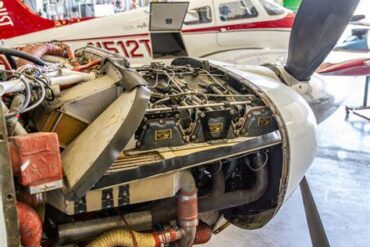
The Rise of the Aircraft Mechanic Profession
As aviation expands globally, the role of the aircraft mechanic has never been more critical. The aviation maintenance industry supports billions of passengers annually, and behind every safe takeoff and landing is a team of certified technicians ensuring every component—from powerplant systems to airframe structures—functions flawlessly. Choosing the right aircraft mechanic school can be a life-changing decision, launching students into one of the most respected technical careers in the transportation sector.
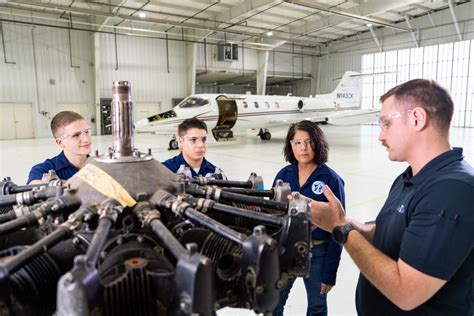
Why Aircraft Mechanic School Matters
The Federal Aviation Administration (FAA) requires anyone seeking to become a certified Aircraft Maintenance Technician (AMT) to complete an accredited training program or demonstrate equivalent work experience. However, FAA-certified programs provide a structured, intensive pathway that equips students with the necessary skills to excel in both airframe and powerplant specializations.
City College of San Francisco (CCSF) offers one of the most robust examples of such a program. As an FAA-certified training center, CCSF delivers a dual-track curriculum in Aircraft Powerplant Maintenance Technology and Airframe Maintenance Technology, preparing students for immediate entry into aerospace, commercial aviation, and even government roles.
Program Overview: A Structured Path to Certification
The Aircraft Maintenance Technology Program at CCSF spans two years and is designed to prepare students for the FAA certification exams. While no technical background is required, students must possess strong integrity, discipline, and a genuine interest in aviation mechanics. The program culminates in either an Associate of Science (AS) degree or a Certificate of Achievement, depending on the academic track.
Students progress through a systematic curriculum that includes:
-
Introduction to Aircraft Maintenance (AIRC 101) – A foundational course covering aircraft systems, regulations, and basic mechanical principles.
-
Basic Electricity and Electrical Circuits (AIRC 102) – Critical training in diagnosing and repairing electrical components in aircraft systems.
-
Powerplant Maintenance and Systems (AIRC 103–105) – Detailed coursework in engine theory, turbine propulsion, and related mechanical systems.
-
Airframe Systems & Structural Repair (AIRC 106–108) – Emphasis on hydraulics, pneumatics, and physical repairs to aircraft bodies.
Each semester adds 16 units of focused, hands-on instruction, ensuring students gain real-world readiness. The full associate program consists of 92–96 total units, including general education requirements and aviation-specific coursework.
FAA Certification: The Gateway to a Career in Aviation
Upon completion of the full curriculum, students are eligible to sit for the FAA Airman Certification Exams—a trio of tests covering general knowledge, airframe systems, and powerplant technologies. Passing these exams grants the coveted Airframe and Powerplant (A&P) license, unlocking access to high-paying roles across the aviation industry.
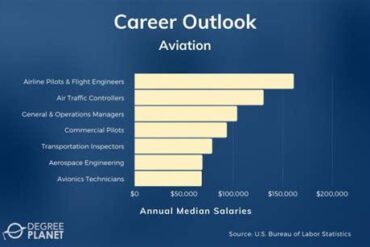
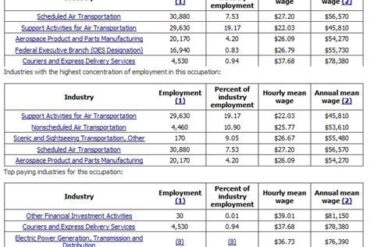
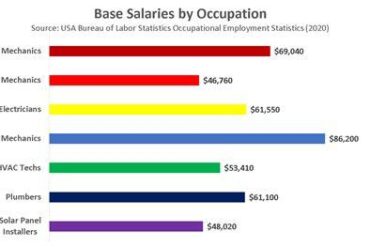
The Bureau of Labor Statistics reported the 2019 average salary for U.S.-based aircraft mechanics was $67,110, with California professionals earning up to $71,890 annually. These figures continue to rise as demand grows for FAA-certified technicians.
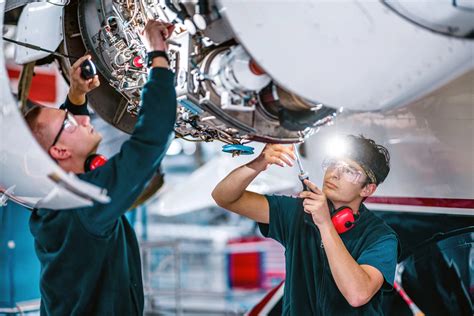
Career Opportunities Beyond Graduation
Graduates of top aircraft mechanic schools like CCSF find employment in diverse sectors. Whether working on commercial aircraft fleets, supporting aerospace R&D, or overseeing safety protocols in public transportation systems, the opportunities are expansive:
-
Airline Industry – Routine maintenance, inspections, and emergency repairs.
-
Aerospace Corporations – Manufacturing, quality control, and system integration.
-
Rapid Transit & Railway Systems – Maintenance of hybrid and electric transit systems.
-
Technical Writing & Quality Assurance – Documenting technical procedures and ensuring compliance with aviation regulations.
-
Manufacturer Technical Representatives – Acting as liaison between aircraft manufacturers and service clients.
Program Flexibility and Online Options
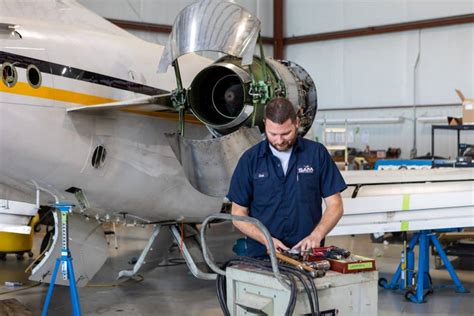
One of the defining strengths of the CCSF program is its flexibility. For students needing remote access, several program components are available fully or partially online through the CityOnline platform, allowing for hybrid learning models that accommodate working students or those outside the Bay Area.
Support services, including on-campus tutoring, career counseling, and transfer planning, ensure that each student has a clear academic and professional roadmap. Those wishing to advance further may transfer their credits to top institutions like San Jose State University or Embry-Riddle Aeronautical University, leveraging associate-level training into a full bachelor’s degree.
How to Enroll in a Certified Aircraft Mechanic Program
Enrollment in a reputable aircraft mechanic school like CCSF begins with an application to the Aeronautics Program. After submitting the form via email to the department chair, prospective students are encouraged to meet with an academic counselor to tailor their course map. Though example semester plans are provided, personalizing the track to fit career goals and prior education is key.
Semester-by-semester course outlines help students plan efficiently:
-
Semester 1–2: General education & introductory aviation courses
-
Semester 3–6: Aviation-focused technical instruction with lab sessions
What Sets CCSF Apart
Unlike generic trade schools, CCSF is embedded in a robust academic institution, offering not only practical instruction but also pathways into advanced aerospace engineering programs. The curriculum is crafted with industry input, ensuring relevance to modern FAA standards and employer expectations.
Another critical advantage is the direct pipeline to employment. Numerous employers across California and beyond actively recruit from CCSF’s aviation programs. Students are not just trained—they are positioned for career acceleration in a high-demand, high-reward field.
Frequently Asked Questions
What qualifications do I need before enrolling in an aircraft mechanic school?
No prior technical experience is required to begin the program at CCSF. However, prospective students must demonstrate a strong work ethic, integrity, and a sincere interest in aviation. High school graduation or equivalent is typically necessary for enrollment.
How long does it take to become a certified aircraft mechanic?
Most FAA-approved programs, like the one at CCSF, take approximately two years to complete. After finishing coursework, students are eligible to sit for the FAA Airframe and Powerplant exams.
What is the job outlook for aircraft mechanics?
The job market for FAA-certified mechanics is extremely promising. According to recent labor data, job growth remains steady due to aging aircraft fleets, new airline demand, and retirements in the current workforce. Average salaries continue to climb, with opportunities in both civilian and defense sectors.