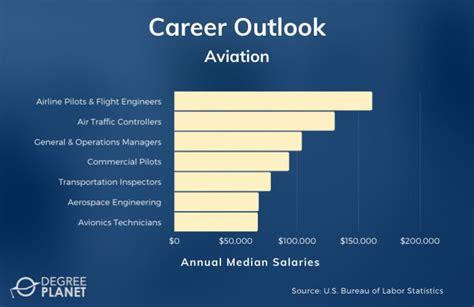
Colleges with aviation programs offer a direct runway to high-flying careers in piloting, aerospace engineering, air traffic management, and aviation business leadership. As the global aviation industry expands—driven by rising travel demand, evolving aerospace technology, and pilot shortages—the value of a specialized aviation education has never been more critical. We examine the most elite, industry-connected institutions that deliver hands-on training, FAA certification pathways, and direct access to airlines and aerospace firms.
Embry-Riddle Aeronautical University: The Gold Standard of Aviation Education
Embry-Riddle Aeronautical University (ERAU) is globally recognized as the preeminent institution for aviation and aerospace studies. With campuses in Daytona Beach, Florida, and Prescott, Arizona, ERAU delivers a curriculum specifically designed to launch careers in flight and aerospace.
The university offers a Bachelor of Science in Aeronautics, Air Traffic Management, Aerospace Engineering, and Aviation Maintenance Science. ERAU students benefit from one of the largest collegiate aviation fleets in the world, a network of industry partnerships, and access to research labs funded by NASA, Boeing, and the FAA.

ERAU’s career placement programs are among the strongest in aviation education, routinely placing graduates with major airlines, aerospace manufacturers, and defense contractors. It is also one of the few universities where students can fly during their freshman year.
Purdue University: Engineering Precision Meets Pilot Proficiency
At Purdue University’s School of Aviation and Transportation Technology, academic rigor meets flight excellence. Located in West Lafayette, Indiana, Purdue boasts a Bachelor of Science in Professional Flight and Aviation and Aerospace Management.
What sets Purdue apart is its commitment to early flight experience—students begin flying as early as their first year. With a fully refurbished fleet and one of the most advanced simulation centers in the Midwest, students gain real-time skills in aircraft systems, meteorology, and crew resource management.
Graduates leave not just with academic degrees, but with certifications such as the FAA Commercial Pilot License, making them immediately employable.
University of North Dakota: The Aviation Powerhouse of the Midwest
The University of North Dakota (UND), home to the John D. Odegard School of Aerospace Sciences, is one of the largest and most comprehensive aviation schools in the U.S. Situated in Grand Forks, North Dakota, UND offers degrees in Commercial Aviation, Aviation Management, and Unmanned Aircraft Systems (UAS) Operations.
The school operates a fleet of over 100 aircraft and an extensive simulation training environment. With an emphasis on UAS and drone operations, UND is uniquely positioned to train future leaders in next-generation aviation technologies.
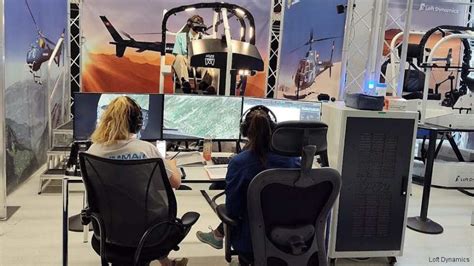
With its own control tower, dispatch center, and weather monitoring systems, UND functions as a real-world aviation ecosystem—preparing graduates to enter commercial aviation, corporate aviation, or federal agencies.
Ohio State University: A Big Ten Powerhouse with a Skyward Focus
The Ohio State University operates its Center for Aviation Studies as a hub of innovation and practical training. Students pursuing a Bachelor of Science in Aviation engage in a robust curriculum combining aerodynamics, airport operations, and airspace safety with flight training via OSU’s dedicated flight school.
The Center maintains relationships with regional and major carriers, including Delta, American, and NetJets, which give students opportunities to participate in internships, co-ops, and accelerated airline pathways.
United States Air Force Academy: Patriotism Meets Elite Aeronautical Training
For those seeking both military service and world-class aviation education, the United States Air Force Academy (USAFA) delivers on both fronts. Located in Colorado Springs, Colorado, USAFA provides cadets with access to Aeronautical Engineering, Astronautical Engineering, and Operations Research degrees, backed by rigorous physical and leadership training.
Graduates commit to serving in the Air Force, often pursuing careers as fighter pilots, drone operators, flight engineers, or in aerospace command. USAFA’s aviation program includes glider flight, jump school, and aircraft simulator training, giving cadets a unique, diversified flight experience.
Massachusetts Institute of Technology: Innovation in Aerospace
At MIT’s Department of Aeronautics and Astronautics, students learn from the cutting edge of aerospace science. Located in Cambridge, Massachusetts, the program’s Bachelor of Science in Aerospace Engineering is tailored for high-achievers targeting roles at NASA, SpaceX, Lockheed Martin, or continuing toward doctoral research.
Students participate in real-time spacecraft design, propulsion research, and autonomous systems development, while benefitting from cross-collaboration with the MIT Lincoln Laboratory and the Charles Stark Draper Laboratory.
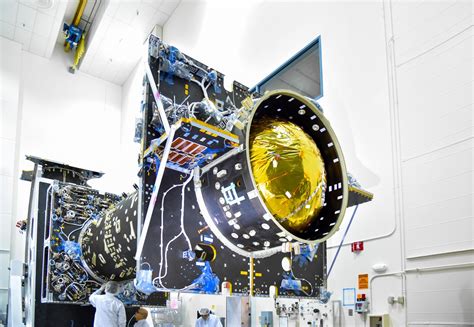
While MIT doesn’t offer a traditional piloting program, its technical depth makes it a global leader in aerospace R&D and systems engineering.
Western Michigan University: Workforce-Ready Flight Training
Western Michigan University (WMU) stands out for its College of Aviation, which emphasizes hands-on, career-ready training. With partnerships with Delta, United, and SkyWest, WMU ensures direct recruitment pipelines for aspiring pilots and aviation technicians.
Located in Battle Creek, Michigan, WMU offers degrees in Aviation Flight Science, Aviation Maintenance Technology, and Aviation Management. While freshmen don’t fly immediately, they gain technical and operational experience in fully functional hangars—setting the stage for in-air training by sophomore year.
Additional Notable Programs: Regional Strengths with National Impact
Many other U.S. colleges offer exceptional aviation programs tailored to different interests and career goals. Among them:
-
University of Oklahoma – strong focus on air traffic control and flight safety.
-
Kansas State Polytechnic – well-regarded for unmanned aircraft systems.
-
Elizabeth City State University – affordable program with a focus on diversity in aviation.
-
Utah Valley University – online-friendly aviation degree programs.
-
Bowling Green State University, Baylor University, and California Aeronautical University – solid academic programs with direct-to-industry pipelines.
-
University of Cincinnati and Auburn University – combine engineering and pilot training in hybrid curricula.
Aviation Training Programs Through Airlines
Beyond universities, many airlines now offer direct cadet and pilot pathway programs for individuals seeking streamlined entry into the cockpit:
-
Delta Propel Program – airline-sponsored fast track to regional jets and eventually mainline.
-
United Aviate – structured from zero flight hours to a career with United Airlines.
-
American Airlines Cadet Academy – open to individuals with no flight experience.
-
Southwest University Pathway – for aspiring Southwest captains.
-
Piedmont Airlines Cadet Program – a gateway into American Airlines regional network.
-
Frontier Pilot Cadet Program – budget airline access for high-growth opportunities.
-
ATP Flight School – the nation’s largest private flight training provider, with 84 locations nationwide and a direct-to-airline model.
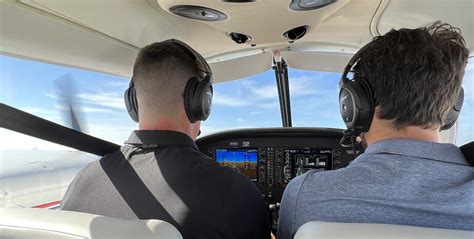
These programs typically involve structured training timelines, loan options, and conditional job offers based on performance and milestones achieved.
Choosing the Right Aviation College
Selecting the best aviation program depends on a mix of personal goals, financial investment, and desired career track. Prospective students should weigh:
-
Flight access timeline: Can you fly in your first year?
-
Industry partnerships: Does the school feed directly into airlines or aerospace firms?
-
Facilities: Are simulators, aircraft fleets, and hangars up-to-date?
-
FAA Certifications: Will you graduate ready for licensure?
-
Location & Weather: Is the local climate conducive to consistent flying?
Each of the schools highlighted above presents unique advantages, from MIT’s research intensity to WMU’s corporate alliances. What unites them all is their unwavering dedication to aviation excellence and industry readiness.
FAQs
What degree do I need to become a commercial pilot?
Most commercial pilots pursue a Bachelor of Science in Professional Flight, Aeronautical Science, or Aviation Technology. The key is to attend a program that includes FAA certification training, including Private Pilot License (PPL), Instrument Rating (IR), and Commercial Pilot License (CPL).
Are aviation programs expensive?
Yes, flight training can significantly increase tuition costs. However, financial aid, military scholarships, and airline-sponsored pathways can offset expenses. Some programs even offer loan forgiveness or tuition reimbursement after joining an airline.
Can I become a pilot without attending college?
Yes, through schools like ATP Flight School, you can earn pilot certifications without a degree. However, many airlines prefer or require a bachelor’s degree for long-term advancement.