How to Become a Pilot in India is a question that draws thousands of aspirants each year, with ambitions that range from flying commercial jets to piloting combat aircraft. India’s aviation sector is growing rapidly, creating opportunities both in civil aviation and defence services. Choosing the right path requires a clear understanding of the qualifications, licensing, and examinations involved. In this guide, we explore the detailed steps for both routes, along with salary expectations, training options, and career insights.
Understanding Pilot Career Pathways in India
In India, the journey to becoming a pilot begins with a critical decision: whether to pursue a career in civil aviation or join the Indian Air Force (IAF). Both paths lead to rewarding careers but demand different qualifications, training protocols, and personal commitments.
Civil aviation pilots typically work with airlines or private operators to transport passengers and cargo. On the other hand, air force pilots serve the nation by flying fighter jets, transport aircraft, or conducting reconnaissance missions. Each path has rigorous selection criteria, yet the end goal—commanding an aircraft—remains the same.
Step 1: Educational Foundations and Eligibility Criteria
To become a pilot in India, aspirants must first meet specific academic and medical prerequisites:
-
For civil aviation, students must complete their 10+2 education with Physics and Mathematics as compulsory subjects. Those who lack these subjects can take bridge courses from open schooling boards like NIOS.
-
For IAF aspirants, eligibility begins after Class 12 through NDA or post-graduation through CDS or AFCAT. Strong academic performance, especially in Maths and English, is critical.
Medical fitness is equally vital. DGCA and IAF have strict Class I and II medical standards, including visual acuity, cardiovascular fitness, and body mass index checks. Failure to pass these tests will halt your pilot ambitions.
Step 2: Choosing Between Civil and Air Force Aviation
Civil Aviation Pilots
Becoming a commercial pilot involves obtaining licenses and accumulating flying hours under the supervision of a DGCA-approved flying school. Civil pilots may work with:
-
Scheduled domestic/international airlines (e.g., IndiGo, Air India, Vistara)
-
Charter services
-
Cargo and logistics companies
-
Corporate and VIP operations
Air Force Pilots
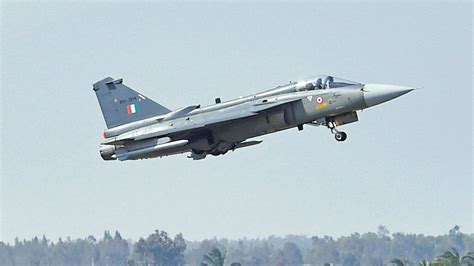
IAF pilots undergo elite military training and operate high-performance aircraft under combat or tactical conditions. Recruitment is conducted via:
-
NDA Entry (after Class 12)
-
CDSE Entry (after graduation)
-
AFCAT Entry (Short Service Commission)
-
NCC Entry (Air Wing C Certificate holders)
Step 3: Joining a Flying School (Civil Aviation Path)
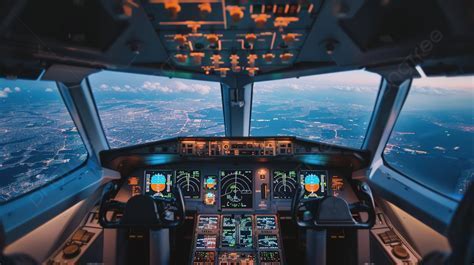
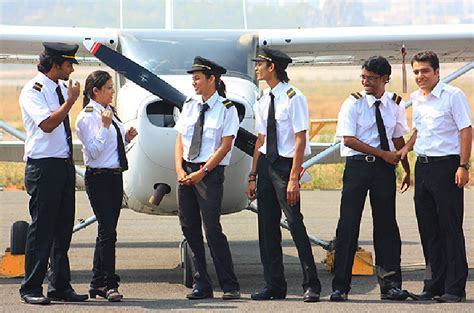
To start flight training, candidates must enroll in a DGCA-recognized flying school. These schools offer intensive theoretical and practical training covering:
-
Air navigation
-
Aircraft systems
-
Aviation meteorology
-
Flight rules and regulations
-
Radio telephony
Prominent flying schools in India include:
-
Indira Gandhi Institute of Aeronautics (IGIA)
-
Capt. Sahil Khurana Aviation Academy
-
Indira Gandhi Institute of Aviation Technology (IGIAT)
-
Indira Gandhi Institute of Aeronautics, Chandigarh
Flying schools typically require students to first earn a Student Pilot Licence (SPL) before beginning practical flight hours.
Step 4: Earning the Necessary Licences
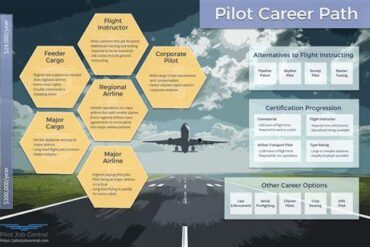
The Directorate General of Civil Aviation (DGCA) issues four types of licenses based on age, experience, and flying hours:
-
Student Pilot Licence (SPL): Entry-level permit to begin flight training (Age 16+)
-
Private Pilot Licence (PPL): Permits flying for leisure or non-commercial use (Age 17+)
-
Commercial Pilot Licence (CPL): Required for professional piloting careers (Age 18+, 200 flying hours)
-
Airline Transport Pilot Licence (ATPL): Required for commanding roles in airlines (Age 21+, 1500 flying hours)
Each license requires candidates to pass written exams, flying tests, and medical evaluations. DGCA mandates a strict curriculum and exam structure to ensure global-standard training.
Step 5: Clearing the Examinations
To advance through the licensing tiers, candidates must pass a series of theoretical and practical exams. These include:
Civil Aviation Exams:
-
SPL: Oral DGCA test
-
PPL/CPL: Written and flight tests covering air navigation, air regulation, meteorology, and aircraft systems
Air Force Exams:
-
NDA/CDS/AFCAT: Competitive exams evaluating mathematics, English, general knowledge, and reasoning
-
SSB Interview: Psychological and physical assessment over 5 days
-
PABT/CPSS: Pilot aptitude battery test for coordination and reflexes
Successful candidates proceed to specialized training academies like the Air Force Academy (AFA), Dundigal.
Step 6: Accumulating Flying Hours
Flight experience is the cornerstone of a pilot’s qualification. DGCA mandates:
-
CPL: Minimum 200 hours (with 100 solo, 50 cross-country, 15 night hours)
-
ATPL: Minimum 1500 hours, including instrument and night flying
Flight logs are verified and maintained according to DGCA standards. The hours must be earned under certified instructors at DGCA-approved facilities.
Step 7: Medical Fitness Clearance
All aspiring pilots must pass DGCA Class I/II Medical Exams, conducted at approved centers like:
-
Air Force Central Medical Establishment (AFCME), Delhi
-
Institute of Aerospace Medicine (IAM), Bengaluru
The tests include checks for:
-
Vision (minimum 6/6 in one eye, 6/9 in the other)
-
Color perception
-
ENT evaluation
-
Cardiovascular and respiratory function
-
Neurological fitness
For IAF aspirants, additional requirements include minimum height (152 cm), leg length, and weight proportional to height.
Average Pilot Salary in India
Salaries vary significantly depending on experience, license type, and employer. On average:
-
Commercial pilots: ₹3.6 lakh/year (starting), rising to ₹10+ lakh/year with experience
-
Captains at major airlines: ₹15–25 lakh/year
-
IAF pilots: ₹6–10 lakh/year including allowances, with fast career progression and pension benefits
Tips for Aspiring Pilots
Becoming a pilot in India is both competitive and rewarding. To maximize your success:
-
Choose a DGCA-approved flying school to ensure global recognition of your license.
-
Master English communication skills, vital for radio communication and international flights.
-
Build emotional resilience and pressure-handling skills, which are essential in emergency scenarios.
-
Sharpen your mathematical abilities, crucial for navigation, fuel calculations, and aerodynamics.
-
Stay medically fit and undergo annual checks to renew licenses.
FAQs
What is the minimum age to become a pilot in India?
To begin flight training with a Student Pilot Licence (SPL), you must be at least 16 years old. For a Commercial Pilot Licence (CPL), the minimum age is 18 years.
How long does it take to become a commercial pilot in India?
On average, it takes 18 to 36 months to become a commercial pilot, depending on weather conditions, availability of aircraft for training, and exam schedules.
Can I become a pilot without a science background?
You must have Physics and Mathematics in your 10+2 qualification. If you haven’t studied these subjects, you can enroll in an open board course to meet eligibility criteria for flight school.