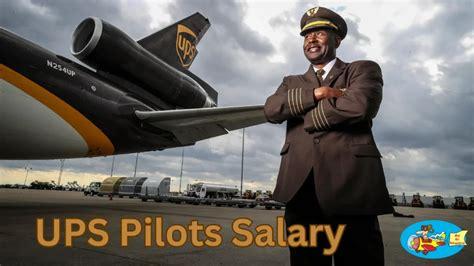
United Parcel Service (UPS) is one of the most prestigious cargo carriers in the world, and becoming a UPS pilot is a career dream for many aviators. The path to the cockpit of a UPS aircraft is demanding, requiring years of training, flight experience, and unwavering dedication. In this comprehensive guide, we explain every stage of the journey — from earning your first certificate to landing a seat in the flight deck of a UPS jet.
The role of a UPS pilot is not just a job, it’s a high-responsibility position in a global logistics network that operates 24/7. The path to this elite position is long and expensive, but highly rewarding for those who persevere.
Understanding the Role of a UPS Pilot
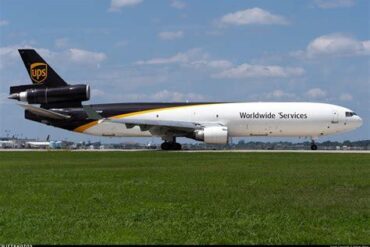
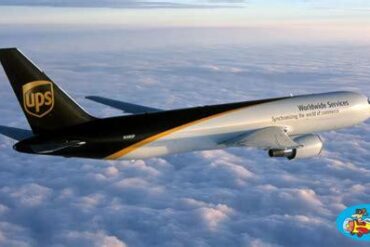
UPS pilots are responsible for flying a wide variety of aircraft, from the Boeing 757 and 767 to the Airbus A300 and even the iconic 747-8F. Their main task is transporting parcels and freight efficiently and safely across both domestic and international routes. These operations run primarily at night, with aircraft departing and arriving in the early morning or late evening hours.

The typical schedule of a UPS pilot involves bidding for multi-day trips, usually in 2-week blocks. Flights may originate from major hubs like Louisville (SDF), Ontario (ONT), or Worldport and often require overnight layovers. UPS also provides accommodations such as hotels or crew rest areas when necessary.
Pilots often operate under Part 121 cargo operations, which means strict regulatory standards, including limits on duty and rest hours. Despite the challenges, the pay and benefits are among the highest in the industry.
Flight Hours and Certification Requirements
To qualify for a role as a UPS pilot, you need to accumulate a significant number of flight hours and earn multiple certifications. At minimum, the following is required:
- 1,500 total flight hours (required for an ATP license)
- Commercial Pilot Certificate with multi-engine and instrument ratings
- First-Class FAA Medical Certificate
- Bachelor’s degree (preferred but not mandatory)
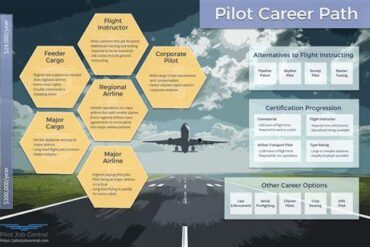
Many UPS pilots begin their journey in the military, regional airlines, or cargo operations like Ameriflight, which serve as stepping stones to major cargo carriers.
The UPS FlightPath Program
UPS offers a dedicated development program for aspiring pilots: UPS FlightPath. This program creates two clear paths to the cockpit:
1. UPS FlightPath Internship
This route is ideal for aviation students. It allows participants to intern at UPS and gain insight into flight operations, logistics, and crew management. While it doesn’t involve flying, it provides mentorship and networking opportunities. Interns are typically:
- Enrolled in a college aviation program
- Building flight time outside of the internship
- Eligible for employment at partner carriers after graduation
Interns can later apply for pilot roles with Ameriflight or other FlightPath carriers.
2. UPS FlightPath I (with Ameriflight)
This is a more direct path and ideal for already licensed pilots. Ameriflight, a regional cargo carrier, partners with UPS to funnel experienced pilots toward mainline hiring. Requirements include:
- 1,500+ hours of flight time
- Full FAA licensing, including commercial multi-engine and instrument ratings
- Strong performance during tenure at Ameriflight
After 3–4 years and satisfactory performance, candidates may be offered direct interviews with UPS.
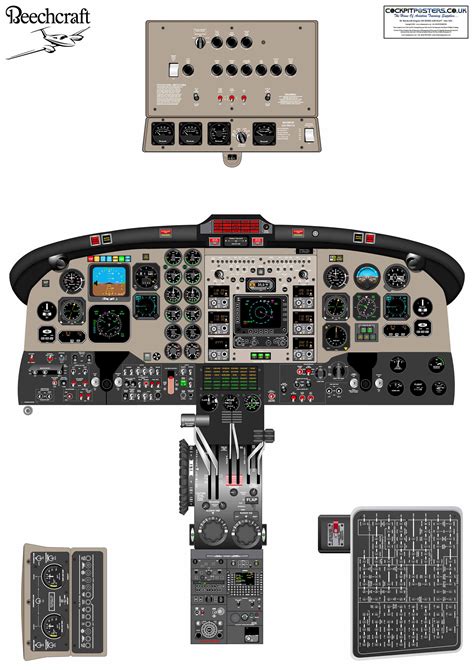
This route has proven to be a successful springboard for pilots serious about a UPS career. It demands adaptability, grit, and technical skill, especially flying single-pilot operations in variable weather conditions.
Educational Pathway: Why College Matters
Although not mandatory, a college degree significantly strengthens your candidacy. Many pilots attend aviation universities where they can train under Part 141 programs, graduate with over 250 hours, and streamline their path to ATP.
Attending an accredited aviation college gives you:
- Access to high-quality instruction
- Part 141 time-building advantages
- Internship eligibility (e.g., UPS FlightPath)
- Resume credibility for major carriers
Pilots coming from Embry-Riddle, UND, or Purdue typically have smoother access to internships, mentorships, and eventually commercial roles.
Building Hours Without Breaking the Bank
Becoming a pilot is expensive. A Private Pilot License (PPL) alone can cost $12,000–$15,000. Add on the costs for instrument, commercial, and multi-engine ratings, and it’s not unusual to spend $70,000–$100,000.
Feeder drivers at UPS often choose to fund their training independently while maintaining their day jobs. Key tips include:
- Start with a Private Pilot License (PPL) locally
- Use evenings and weekends to train
- Consider becoming a Certified Flight Instructor (CFI) to earn while building hours
- Avoid debt-heavy flight academies unless scholarships or GI Bills apply

It’s a long road, but incremental progress — such as gaining a PPL while working — makes the goal approachable. Some even buy light aircraft for weekend use, keeping costs manageable.
Lifestyle and Work-Life Balance
As a UPS pilot, your life will be structured around international freight schedules. That typically means nights, early mornings, and rotating rest periods. Some pilots compare the rhythm to that of long-haul truckers — but with more stringent safety oversight.
Crew members are regularly housed in UPS-paid hotels or airport crew lounges. For those flying into major hubs like EWR or JFK, flights often arrive in the evening and leave late at night. Crew changes are common, and you may not operate the same flight back out. Car services are provided for transportation between hotels and airports.
Senior pilots have more control over their bid schedules, allowing for predictable days off and route preferences. Meanwhile, newer pilots rotate through less desirable routes with tighter turnarounds.
Pay and Career Progression
UPS pilots enjoy top-tier compensation in the cargo industry. According to multiple reports:
- First Officers can start at $200,000+ annually
- Captains can earn upwards of $300,000–$350,000
- Excellent retirement benefits, healthcare, and travel perks are included
This puts UPS on par with or even ahead of passenger airlines in terms of pay. Advancement is based on seniority and bid availability, with many pilots becoming captains within 8–10 years depending on hiring waves.
Should You Leave a Feeder Job for the Pilot Path?
Many aspiring UPS pilots are current feeder drivers, earning six figures and enjoying strong union protections. While the pay is solid, the decision to switch careers depends on your passion for flying and willingness to endure several years of lower income during training.
For those with financial discipline, the feeder job can fund flight training without debt. The biggest challenge is time — training requires intensive study and practice, often incompatible with a full-time job. Yet, many have done it, especially with support systems like weekend lessons and online ground schools.
Final Thoughts: Is It Worth It?
Becoming a UPS pilot is not easy. It requires:
- Years of flight training
- Strategic partnerships (like Ameriflight)
- Financial sacrifice and mental resilience
However, if aviation is your calling, the rewards at UPS are among the best in aviation. From financial stability to global travel and professional fulfillment, flying for UPS can be the culmination of years of passion and perseverance.
For those considering the journey, start small: earn your PPL, build flight hours, stay informed about FlightPath opportunities, and never lose sight of the ultimate goal.
FAQs
Q1: How long does it take to become a UPS pilot?
A: On average, it takes 8–12 years, including flight training, hour building, and experience at partner carriers.
Q2: Is a college degree required?
A: Not strictly, but it is highly recommended, especially for candidates competing for limited positions.
Q3: Can UPS feeder drivers become pilots?
A: Yes, especially if they fund training while working. Many use their UPS income to support training without loans.
Q4: Is the UPS FlightPath program still active?
A: Yes, with two paths: internship and Ameriflight route. The Ameriflight path is more direct for licensed pilots.
Q5: What aircraft do UPS pilots fly?
A: Aircraft include Boeing 757, 767, 747-8F, and Airbus A300 depending on seniority and base location.
Q6: What’s the work schedule like?
A: Mostly overnight or early morning flights, with 2-week bid periods and hotel accommodations when needed.
Q7: Is UPS better than commercial airlines for pilots?
A: In terms of pay and stability, UPS is among the best, although some pilots miss the passenger interaction.
Q8: Are there UPS pilot bases outside the US?
A: Most pilots are based in the US, but international layovers are frequent. Primary hubs include SDF, ONT, EWR, and JFK.
Q9: What’s the retirement age for UPS pilots?
A: Like all FAA-regulated pilots, UPS pilots must retire at age 65.
Q10: Can military pilots transition into UPS roles easily?
A: Absolutely. Military experience is highly valued, especially with transport or tanker aircraft time.