Understanding the Path to Becoming a Regional Pilot
For aspiring aviators, the regional airline industry is often the most accessible entry point into professional aviation. While major carriers like Delta Air Lines, United, or American Airlines capture the public imagination, it is within regional airlines that most pilots build the experience required to transition into these larger networks. Becoming a regional pilot involves more than just accumulating flight hours; it demands a combination of rigorous training, strategic decision-making, and a clear understanding of long-term career trajectories.
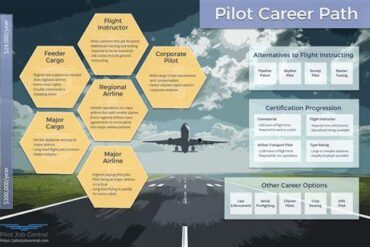
Before one can even sit in the right seat of a Bombardier CRJ or Embraer 175, the pilot must navigate an intensive licensing journey, starting from a Private Pilot License (PPL) all the way to an Airline Transport Pilot (ATP) certificate. Along this journey, pilots must make calculated choices that shape their long-term position in the aviation hierarchy. Some may opt to remain at a regional for lifestyle or stability; others will view it strictly as a stepping stone toward the majors.

Step 1: Educational and Medical Requirements
We begin with foundational requirements. To become a commercial pilot in the United States, one must meet the following baseline criteria:
-
Be at least 18 years old (21 for ATP)
-
Hold a valid FAA First-Class Medical Certificate, particularly for those planning to advance to captain roles
-
Demonstrate proficiency in English
-
Hold at minimum a high school diploma, although many regional carriers prefer or require a bachelor’s degree
The First-Class Medical Certificate is essential. It ensures that a candidate meets the vision, hearing, cardiovascular, and neurological standards for commercial aviation. Regular renewals and health maintenance are non-negotiable components of an aviation career.
Step 2: Pilot Licensing Pathway
A pilot’s progression toward regional airlines typically follows this sequence:
-
Private Pilot License (PPL) – This license grants foundational flight privileges and is often earned at a flight school or university program.
-
Instrument Rating (IR) – Required to fly in a variety of weather conditions.
-
Commercial Pilot License (CPL) – Allows a pilot to legally receive compensation.
-
Multi-Engine Rating (MER) – Most regional aircraft are multi-engine; this rating is essential.
-
Certified Flight Instructor (CFI) – Many pilots instruct to build hours cost-effectively.
-
Airline Transport Pilot (ATP) – Required to serve as a captain or even as first officer at Part 121 carriers.
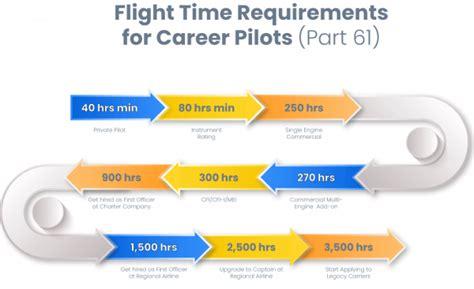
In total, the ATP requires 1,500 hours of flight time unless one qualifies for a Restricted ATP (R-ATP) through an approved university or military pathway.
Step 3: Accumulating Flight Time
Flight hours are the currency of aviation. Most regional airlines demand a minimum of 1,500 hours for a First Officer position, but hiring can sometimes begin earlier under R-ATP provisions. Common hour-building strategies include:
-
Working as a Certified Flight Instructor
-
Banner towing, agricultural flying, or sightseeing tours
-
Participating in university cadet programs affiliated with regional airlines
The quality of time also matters. Hours logged in complex, high-performance aircraft or in IMC (Instrument Meteorological Conditions) often carry more weight with employers.
Step 4: Applying to Regional Airlines
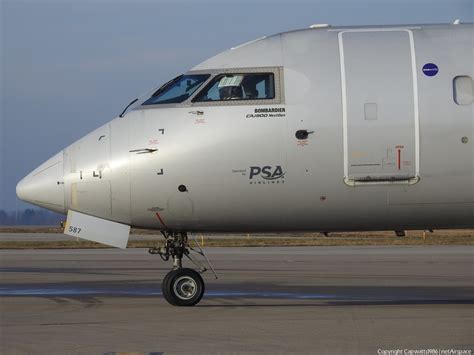
Once the ATP certificate is in hand, pilots can apply to regional airlines. U.S. regional carriers include names like SkyWest Airlines, Endeavor Air, PSA Airlines, and Republic Airways. Each operates under contract with legacy majors, serving as feeders for mainline operations.
Application success is influenced by several factors:
-
Flight hour breakdown (cross-country, multi-engine, night, instrument)
-
Clean FAA record (no incidents or violations)
-
Interview and simulator evaluation performance
-
Completion of a regional airline cadet program (which often leads to direct job placement)
Step 5: Training at the Regional Level
Training at regional airlines is intensive and demanding. Most pilots enter through a Part 121 training program, which includes:
-
Systems training specific to the assigned aircraft
-
SOPs (Standard Operating Procedures) of the airline
-
FTD and full-motion simulator sessions
-
Checkrides including ATP CTP (Certification Training Program)
Some pilots note that regional training can be high-pressure and punitive, especially compared to the more supportive training culture at the majors. A single failed checkride can delay upgrades or threaten job continuity.
Life as a Regional Pilot
A regional pilot typically starts as a First Officer, earning anywhere from $50,000 to $70,000 in the first year depending on sign-on bonuses, location, and flight hours. Seniority determines everything—schedule, base, aircraft assignment, and upgrade speed.
In some cases, rapid attrition to the majors means new hires can upgrade to Captain in as little as 2–3 years, especially at regionals like Piedmont or Envoy Air. However, this comes with significant responsibility and sometimes long duty days, often including multiple legs and airport standby.
Pilots value regional airlines for the chance to accumulate Part 121 experience, log turbine time, and develop CRM (Crew Resource Management) skills. These experiences are critical in securing interviews at the majors.

Staying vs. Moving to the Majors
A critical career decision emerges within 3–7 years at a regional: whether to stay or leave for a major airline. While some pilots appreciate the predictable schedules and proximity to home offered by regionals, most view the majors as the ultimate destination. Several considerations influence this decision:
-
Quality of life: Majors offer better reserve rules, longer trips with fewer legs, and more international flying.
-
Financial upside: Captains at major airlines can earn $250,000 to $350,000+ annually.
-
Job security and benefits: Larger retirement packages, profit-sharing, and union representation are typically stronger.
Commentary from seasoned aviators supports this trend. Many describe the regional experience as a valuable launchpad but ultimately advise transitioning as soon as possible to access better pay and long-term lifestyle improvements.
Challenges and Trade-offs
Not all regional pilots choose—or are able—to move on. Some remain due to age, medical limitations, or lifestyle preferences. Others cite the familiarity of systems, favorable commuting bases, or even fear of losing seniority when starting over at a major. These concerns are valid and should be weighed individually.
Still, it is crucial to recognize that seniority at a regional does not transfer to a major airline. A pilot with 10 years of seniority at a regional will still start at the bottom when joining a major. Thus, the longer one waits, the longer the road back to premium trips and top-tier schedules.

Conclusion: A Strategic First Step
Becoming a regional pilot is not merely a job—it is a strategic phase in a broader aviation career. It provides essential experience, valuable turbine time, and a window into the operations of large-scale airline systems. While it may come with sacrifices in pay and lifestyle early on, the path it opens to major carriers is invaluable.
Every aspiring pilot should treat the regional phase not as an endpoint, but as a well-calculated bridge to higher opportunities. Whether the goal is international widebody flying, fleet captaincy, or instructing the next generation of pilots, it all starts with the decision to enter the regional cockpit.
FAQ
How long does it take to become a regional airline pilot?
It typically takes 3 to 5 years, depending on the training route. A student completing an aviation degree or structured program can often achieve the required licenses and hours more quickly. Those training part-time may take longer.
Can you stay at a regional airline for your whole career?
Yes. Some pilots choose to remain at regionals due to family proximity, stable lifestyle, or satisfaction with their current role. However, career earnings and benefits are generally higher at the majors.
Do regionals offer a good quality of life for new pilots?
The answer varies. While early seniority at regionals can lead to better schedules faster, new hires often face reserve duty and lower pay. The trade-off lies in the speed of upgrades versus the long-term benefits of moving to a major airline.