For those drawn by faith, aviation, and service, becoming a missionary pilot is a rare and noble calling. It is not simply a job—it is a lifestyle rooted in spiritual commitment, technical excellence, and a deep desire to serve remote communities through the transformative power of flight. Missionary aviation plays a vital role in delivering humanitarian aid, medical relief, and the Gospel to some of the most isolated regions in the world.
While the path is demanding, it is also deeply rewarding. The journey to becoming a missionary pilot typically spans a decade of rigorous preparation, both in the air and on the ground. In this guide, we offer a comprehensive breakdown of the qualifications, expectations, and training necessary to answer this high calling.
Understanding the Mission: More Than a Pilot
Before exploring the technical requirements, it’s essential to understand the core identity of a missionary pilot. First and foremost, one must be a missionary—a person who has a clear and vibrant relationship with God, a passion for spreading the Gospel, and a commitment to serve others selflessly.
Organizations like UIM Aviation prioritize applicants who are active in their local churches, are growing spiritually, and have demonstrated a lifestyle consistent with Christian values. This foundational identity shapes every aspect of the pilot’s mission work and ensures the faith-driven integrity necessary to serve in complex and often spiritually hostile environments.
The Long Road to Readiness: Average 10-Year Timeline
The road to missionary aviation is neither short nor easy. On average, it takes about 10 years to become fully qualified. This period includes flight training, mechanical certifications, Bible education, language studies, and field orientation. Each stage is crafted to prepare pilots for the unique physical and spiritual demands of life in the mission field.
Step One: Achieving Commercial Pilot Certification (Minimum 500 Hours)
The first formal requirement is earning a commercial pilot license with a minimum of 500 flight hours. While this threshold may seem modest in comparison to airline standards, it represents a critical foundation for the rugged flying required in remote areas like the mountains of Mexico.
Mountain flying, in particular, demands more than average piloting skill. It requires a deep familiarity with terrain navigation, weather interpretation, and short-field takeoff and landing techniques. These elements can only be refined through hands-on experience, which is why many missionary pilots exceed this minimum before deployment.
Step Two: Aircraft and Powerplant (A&P) License
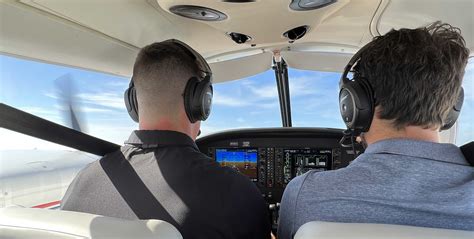
Unlike traditional pilots, missionary pilots are often stationed in isolated regions where immediate access to mechanics is non-existent. For this reason, a missionary pilot must also become a certified aircraft mechanic, holding both airframe and powerplant licenses (A&P).
This qualification enables pilots to diagnose, repair, and maintain their aircraft in the field, ensuring both safety and operational continuity. Missions often use rugged aircraft that require constant field-ready maintenance, and the ability to perform emergency repairs can mean the difference between life and death.
Step Three: At Least One Year of Bible School
Spiritual preparation is as essential as technical expertise. Missionary pilots are spiritual leaders as much as they are aviators. That’s why a minimum of one year at a Bible college is required.
Institutions like Moody Bible Institute or Rio Grande Bible College offer immersive programs in theology, evangelism, and discipleship, which equip future missionaries with the Biblical knowledge to lead, teach, and minister cross-culturally.
Step Four: Join a Missionary Aviation Organization
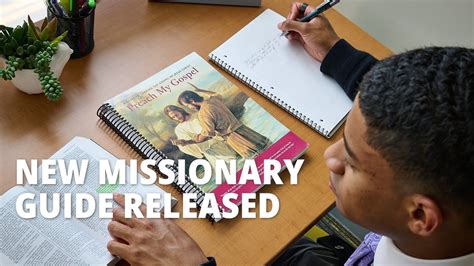
Once the academic and technical foundations are laid, the next step is to apply to a mission organization such as UIM Aviation, MMS Aviation, or SOAR. Each group has its own criteria, but all seek candidates with demonstrated spiritual maturity, technical aptitude, and a heart for service.
Joining a mission organization provides structure, accountability, and mentorship. It also introduces the candidate to field-specific training, where they will become familiar with local aircraft models, airstrip conditions, and regional operational procedures.
Step Five: Raising Full Financial Support
Missionary pilots are not salaried employees. Instead, they are supported by a network of churches, friends, and donors who commit to funding their work. Organizations like UIM Aviation require pilots to raise 100% of their financial support, which typically takes 1 to 3 years.
This process tests the pilot’s faith, communication skills, and ability to mobilize a community around their mission. Fundraising is more than financial—it’s about building a partnership base that sustains long-term ministry.
Step Six: Language School and Cultural Immersion
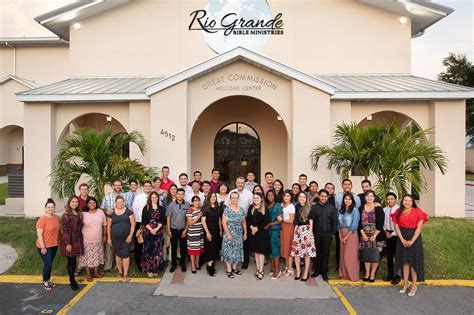
In regions like Mexico and Central America, speaking the local language is non-negotiable. Before deploying to the field, missionary pilots are required to attend language school—most notably, Rio Grande Bible College, where they undergo an intensive 9-month Spanish language program.
Language learning enhances not only communication and safety but also relationship-building. The ability to preach, comfort, and serve in the native language strengthens ministry impact and fosters genuine trust with the community.
Step Seven: Field Orientation and On-Site Training
Field orientation is the final and perhaps most critical stage. Once deployed, pilots undergo up to 12 months of rigorous, on-the-ground training in the mission field. During this period, they learn to master local airstrips, understand Mexican aviation procedures, and adapt to region-specific weather patterns.
This process also includes observational flying, route familiarization, and mentorship under seasoned field pilots. It takes years of continued flight time to truly become proficient at bush flying in hazardous mountain regions, where short runways, crosswinds, and rapid weather changes are the norm.
Best Schools for Missionary Pilot Training
Numerous institutions offer high-quality training for missionary aviation. Among the most respected are:
- Moody Bible Institute Aviation – Integrated flight and Biblical education.
- MMS Aviation – Hands-on maintenance and flight programs.
- Liberty University – Accredited aviation degrees with a Christian worldview.
- SOAR and SMAT (School of Missionary Aviation Technology) – Focused on bush flying and field maintenance.
- LaTourneau University – Engineering and aviation studies tailored to missions.
- Local FAA-certified flight schools – Ideal for initial pilot certification.
Each of these schools offers tailored tracks to support the spiritual, mechanical, and aeronautical development of future missionary pilots.
Life on the Field: What to Expect
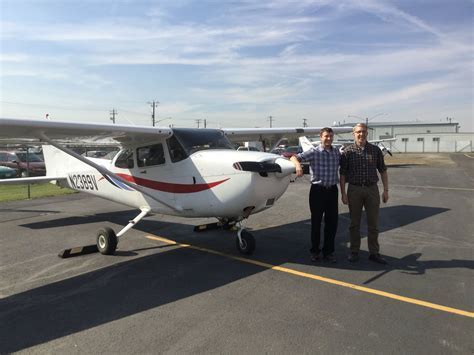
Once fully trained, a missionary pilot’s life revolves around service flights, mechanical work, and ministry efforts. Typical missions include transporting pastors, delivering Bibles, providing emergency medical evacuations, and flying in supplies to remote villages.
The aircraft becomes a lifeline, often connecting people to hope, healing, and the message of Christ. Pilots must maintain discipline, flexibility, and spiritual vitality, often working long hours in unpredictable conditions.
They are leaders, problem-solvers, and spiritual shepherds, and they serve as a bridge between modern aviation and regions forgotten by time. It is a vocation unlike any other—demanding but eternally impactful.
Conclusion: A Lifelong Calling Anchored in Purpose
Becoming a missionary pilot is not for the faint of heart. It demands unwavering faith, technical mastery, cultural humility, and a life surrendered to God’s calling. But for those willing to walk the long road, the rewards are eternal.
From the jungles of South America to the mountains of Mexico, missionary pilots serve where few dare to go, bringing with them not only food and medicine but also the hope of the Gospel. If you feel that unmistakable pull on your heart, now is the time to begin.
For more information, reach out to established organizations like UIM Aviation or MMS Aviation. The world is waiting—and so is the mission.