The sport pilot certificate is a gateway to the world of aviation, offering an accessible and less expensive way to experience flying. Whether you’re looking to enjoy flying as a hobby or considering a career in aviation, understanding the sport pilot requirements is essential. This comprehensive guide covers everything you need to know, from eligibility to training, and the privileges that come with being a sport pilot.
What Is a Sport Pilot Certificate?
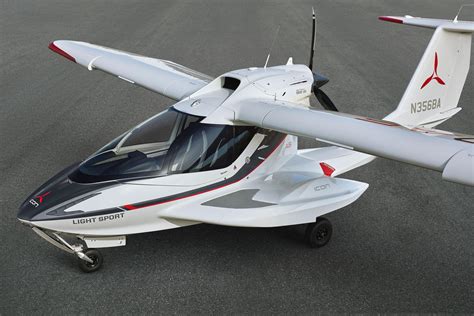
A sport pilot certificate allows individuals to operate light sport aircraft (LSA). LSAs are specially designed for recreational flying, with a maximum weight of 1,320 pounds and cruise speeds up to 120 knots (approximately 138 mph). These aircraft are often simpler to fly than more traditional airplanes, yet are equipped with some of the most advanced avionics available.
Key Advantages of a Sport Pilot Certificate:
- Cost-effective: Significantly cheaper than traditional private pilot training.
- Less Complex: The requirements are simpler and more straightforward compared to other pilot certificates.
- Exciting: Opens the door to the thrill of flying, whether solo or with a passenger.
Sport Pilot Privileges and Limitations
A sport pilot certificate allows you to enjoy flying under certain conditions. As a sport pilot, you can:
- Fly light sport aircraft (LSAs) within specific weight and speed limits.
- Carry one passenger during flights.
- Share operating expenses with passengers, but only for fuel, oil, airport costs, or airplane rental fees.
- Fly during the day only, with clear weather conditions and good visibility.
- Fly at altitudes up to 10,000 feet above sea level or 2,000 feet above ground level, whichever is higher.
- Operate only in visual flight rules (VFR) conditions, meaning you must maintain visual contact with the ground at all times.
Limitations of a Sport Pilot Certificate:
- No paid flying: Sport pilots cannot be paid to carry passengers or cargo. Flying for compensation or hire is strictly prohibited.
- Additional training for controlled airspace: To operate in Class B, C, or D airspace, additional training is required.
- No flying in the clouds: Sport pilots cannot fly in or above the clouds, as the regulations mandate constant visual contact with the ground.
- Limited international operations: You cannot fly outside the U.S. without special permission from the country in which you wish to operate.
Requirements for Obtaining a Sport Pilot Certificate
The requirements to become a sport pilot are relatively simple compared to other aviation certifications, but they still require careful preparation and commitment. To earn your sport pilot certificate, you must meet the following prerequisites:
1. Age Requirement
- Minimum age: You must be at least 17 years old to apply for a sport pilot certificate.
2. Medical and Health Standards
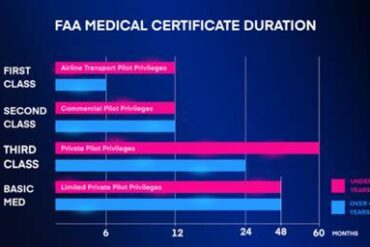
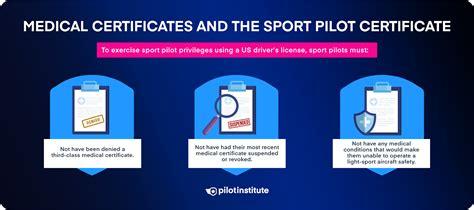
- A sport pilot does not need to undergo an FAA medical examination. However, you must hold a valid U.S. driver’s license, which serves as evidence of good health.
3. Language Proficiency
- You must be able to read, speak, write, and understand English to ensure effective communication during flight operations.
4. Ground Training
- Before you can take your knowledge test, you must complete ground training. This can be achieved through an authorized instructor or by completing a home-study course, such as the Gleim Sport Pilot Kit.
5. Knowledge Test
- The FAA requires you to pass a knowledge test with a score of 70% or higher. The test consists of 40 multiple-choice questions drawn from the FAA’s sport pilot knowledge test bank.
6. Flight Training
- You must receive flight instruction from a certified flight instructor and demonstrate proficiency in the required maneuvers and skills outlined in 14 CFR 61.311.
- A minimum of 20 hours of flight training is required, which includes solo flying time.
7. Practical (Flight) Test
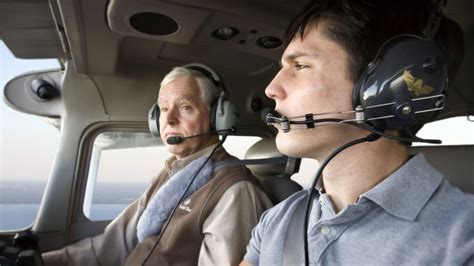
- After completing the necessary flight training, you must successfully pass a practical test, also known as a check ride. This flight exam will be conducted by an FAA examiner and will evaluate your ability to safely operate a light sport aircraft.
Training Process and Flight Hours Breakdown
The process of becoming a sport pilot is structured to ensure that you gain the knowledge and hands-on experience needed for safe flying. The training can be broken down into the following phases:
1. Ground School Training
- Duration: Typically 15 to 20 hours.
- Ground school covers the basics of aviation, airspace rules, weather patterns, flight planning, navigation, and safety procedures. You will also be prepared for the FAA knowledge test.
2. Flight Instruction
- Duration: At least 20 hours of flight training is required.
- This phase includes hands-on instruction in the cockpit with a certified flight instructor (CFI). You’ll learn how to operate the aircraft, perform maneuvers, and respond to various in-flight scenarios.
3. Solo Flight
- Duration: You must have at least 5 hours of solo flight time.
- Your instructor will sign you off to fly solo when you have demonstrated the necessary skills. This is an important milestone in your training, as it tests your ability to operate the aircraft independently.
4. Practical (Flight) Test
- The final stage is a flight test with an FAA examiner, who will evaluate your overall flying abilities and decision-making skills. You must demonstrate your knowledge and proficiency in both routine operations and emergency procedures.
Sport Pilot vs. Private Pilot: Key Differences
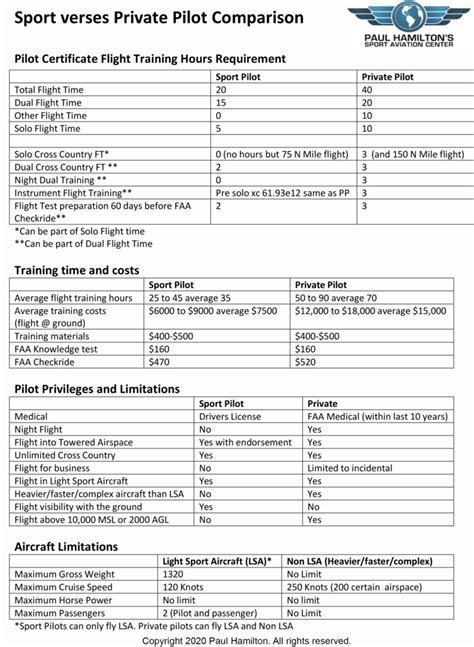
While the sport pilot certificate is a great entry point into aviation, it comes with limitations. If you’re considering a long-term aviation career or more complex flight operations, the private pilot certificate may be more appropriate. The table below summarizes the key differences:
| Feature | Sport Pilot | Private Pilot |
|---|---|---|
| Max Weight of Aircraft | 1,320 lbs | 12,500 lbs |
| Maximum Altitude | 10,000 ft | 18,000 ft |
| Passenger Limit | 1 | Unlimited |
| Paid Flying | Not allowed | Allowed |
| Aircraft Type | Light Sport Aircraft | Any aircraft (depending on rating) |
| Medical Requirements | U.S. driver’s license | FAA Class 3 medical certificate |
If you plan to carry more passengers or intend to pursue commercial aviation in the future, the private pilot certificate is the next logical step.
FAQs
What is the minimum age to become a sport pilot?
The minimum age required to apply for a sport pilot certificate is 17 years old. This age requirement ensures that applicants have sufficient maturity and responsibility for operating an aircraft.
How many flight hours do I need to become a sport pilot?
To earn your sport pilot certificate, you need a minimum of 20 hours of flight training. This includes time spent with a flight instructor as well as solo flight time. The exact number of hours may vary based on individual progress and flight conditions.
Can I fly a sport plane at night or in bad weather?
No, sport pilots are restricted to flying during the day in visual flight rules (VFR) conditions. You must have clear visibility of the ground, and flying in clouds or in poor weather conditions is not permitted.