The Federal Aviation Administration (FAA) sets strict and comprehensive standards for pilots seeking an Airline Transport Pilot (ATP) certificate. This certification represents the highest level of aircraft pilot license and is a mandatory credential for those wishing to serve as a captain for an airline. Understanding the FAA ATP requirements is essential for anyone aspiring to achieve a career at the pinnacle of commercial aviation.
Earning an ATP certificate demands dedication, expertise, and a significant commitment of time and resources. The path is rigorous, ensuring that only the most prepared and capable individuals take on the immense responsibility of transporting passengers safely.
Eligibility Criteria: The Foundation for Your Aviation Career
To pursue an ATP certificate, the FAA mandates that applicants meet a series of precise eligibility benchmarks:
- Age Requirement: Pilots must be at least 23 years old to qualify for an ATP certificate.
- Certificate and Ratings: Applicants must hold a Commercial Pilot Certificate along with an Instrument Rating, or fulfill equivalent military aviation experience. Alternatively, possession of a foreign Airline Transport Pilot License with instrument privileges is acceptable.
- Medical Certification: Pilots must obtain a First-Class Medical Certificate to act as Pilot-In-Command (PIC) or a Second-Class Medical Certificate to serve as Second-In-Command.
These prerequisites ensure that all candidates possess the maturity, health, and foundational knowledge necessary to handle the responsibilities associated with the role.
Flight Experience: Building Your Aeronautical Expertise
Flight hours are a critical aspect of the FAA’s requirements, designed to ensure that pilots have ample experience in diverse flight conditions. Specifically, applicants must accumulate:
- 1,500 hours of total flight time
- 500 hours of cross-country flight
- 250 hours as Pilot-In-Command (PIC)
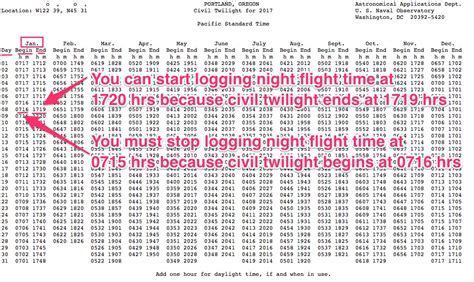
- 100 hours of night flight
- 75 hours of instrument training
- 50 hours in the class of aircraft for which the rating is sought
This extensive flight experience underscores the FAA’s commitment to ensuring that ATP candidates have well-rounded, real-world flying skills before taking command of a commercial aircraft.
Educational Requirements: Knowledge is Power
In addition to flight experience, ATP candidates must successfully complete academic requirements that demonstrate a thorough understanding of aviation principles. These include:
- ATP Knowledge Test: A rigorous written examination that evaluates a pilot’s knowledge of regulations, weather patterns, navigation, and aircraft systems.
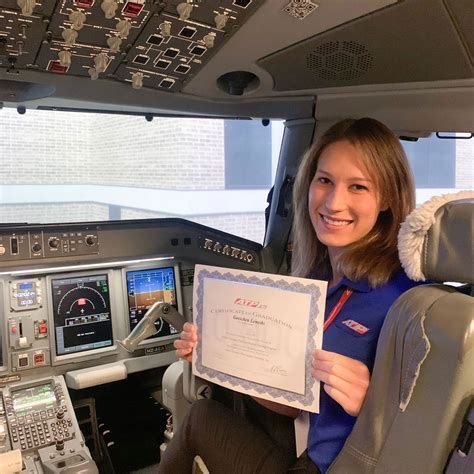
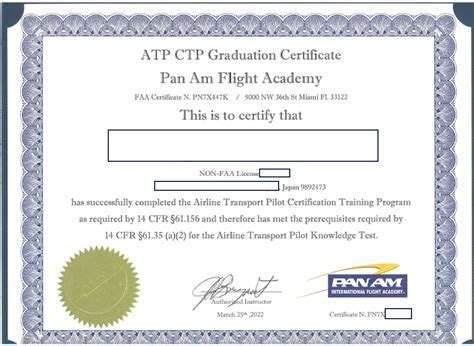
- ATP Certification Training Program (ATP-CTP): Completion of an FAA-approved ATP-CTP course is mandatory. This program includes ground training and simulator experience, specifically designed to prepare candidates for the unique challenges faced by airline pilots.
The combination of theoretical knowledge and practical simulator experience ensures that pilots are well-equipped to transition smoothly into real-world airline operations.
Alliance Aviation: Your Trusted Partner in ATP Certification
At Alliance Aviation, we take immense pride in offering top-tier training solutions that align precisely with the FAA’s ATP requirements. Our comprehensive programs cater to pilots aiming for excellence in aviation.
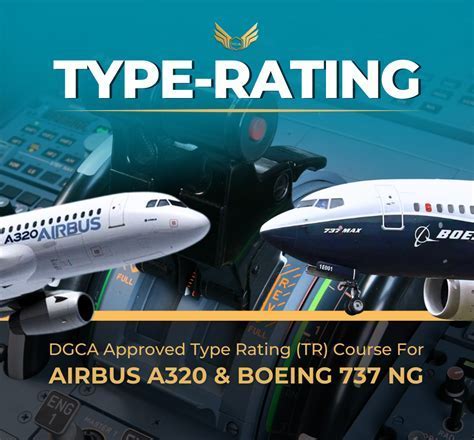
Our ATP-CTP courses are FAA-approved and focus on major commercial aircraft such as the Boeing 737 and the Airbus A320. These type rating programs not only prepare candidates for the knowledge test but also equip them with hands-on skills essential for modern airline operations.
Expert Instructors: Guiding You Every Step of the Way
Our instructors at Alliance Aviation are industry veterans — seasoned pilots with extensive backgrounds in both commercial flying and aviation education. Each instructor brings:
- Deep technical expertise
- A passion for teaching and mentorship
- Personalized guidance to support each trainee’s unique learning journey
Through one-on-one mentorship, our instructors ensure that no question goes unanswered, no skill is left undeveloped. They embody the commitment to excellence that is the hallmark of Alliance Aviation.
Training Facilities: Bridging Theory and Practice
Training at Alliance Aviation occurs in state-of-the-art facilities that seamlessly integrate classroom instruction with real-world simulation. Highlights of our facilities include:
- Advanced full-motion flight simulators
- Modern classrooms equipped with the latest training technology
- Interactive learning tools that reinforce theoretical knowledge through practical application
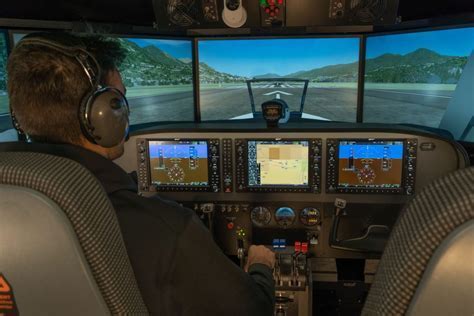
Our simulators provide pilots with the invaluable opportunity to experience realistic flight conditions, practice emergency procedures, and build confidence before ever stepping into a real cockpit.
Why Choose Alliance Aviation? Commitment Beyond Certification
At Alliance Aviation, we are committed to not just meeting the FAA ATP requirements, but exceeding them. We focus on cultivating pilots who exemplify professionalism, safety, and operational excellence. Our advantages include:
- Comprehensive Curriculum: Every aspect of the FAA’s standards is addressed with thoroughness and precision.
- Hands-on Training: Simulators and real-world flight experiences prepare pilots for every eventuality.
- Supportive Environment: From enrollment to certification, our team supports each pilot’s aspirations with dedication and expertise.
- Industry Connections: We maintain strong relationships with major airlines, aiding our graduates in transitioning smoothly into rewarding careers.
Preparing for Your Future in Aviation
Earning an ATP certificate is a significant milestone, marking the transition from skilled aviator to professional airline captain. The journey demands unwavering commitment, continuous learning, and the right training partner. With the FAA’s stringent requirements serving as the benchmark for excellence, pilots must ensure they leave no stone unturned in their preparation.
Choosing Alliance Aviation means choosing a future built on excellence, safety, and success. We invite aspiring pilots to embark on this transformative journey with us — where dreams take flight and careers reach new heights.
For more detailed information about our ATP-CTP programs, type rating courses, and comprehensive aviation training services, visit our website or contact Alliance Aviation today.