Becoming an Airline Transport Pilot (ATP) with a multi-engine rating is a significant milestone in a pilot’s career. The journey to obtaining an ATP certificate requires meeting strict criteria that ensure a pilot possesses the necessary skills, experience, and knowledge to operate complex aircraft safely and efficiently. In this guide, we will explore the ATP multi-engine requirements, the steps involved in obtaining the certification, and the training processes you will undergo to prepare for the checkride.
Eligibility Requirements for ATP Multi-Engine Certification
To be eligible for the ATP multi-engine certification, an applicant must meet several criteria as outlined in FAR 61.153. First and foremost, the individual must be at least 23 years old (or 21 years old with an exception under FAR 61.160). Additionally, the applicant must have the ability to read, speak, write, and understand the English language.
Beyond these language and age requirements, the applicant must also demonstrate good moral character. Moreover, there are several pathways to meeting the aeronautical experience prerequisites for ATP certification, which include the following options:
- Commercial Pilot Certificate: An applicant can qualify by holding a valid commercial pilot certificate with an instrument rating, which has been issued under part 61.
- Military Experience: For those with a military background, meeting the requirements for an instrument rating and commercial pilot certification through military service under FAR 61.73 is an option.
- Foreign Licenses: Pilots who hold a foreign airline transport pilot license with instrument privileges can also qualify for ATP certification, provided the license meets the necessary standards set by the Convention on International Civil Aviation.
Aeronautical Experience Requirements for Multi-Engine ATP Certification
To apply for an ATP certificate with a multi-engine rating, applicants must accumulate at least 1,500 hours of total flight time as a pilot. This total flight time must include several specific components to ensure the pilot is well-rounded and prepared for the demands of multi-engine aircraft operation.
The breakdown of the 1,500 hours includes:
- 500 hours of cross-country flight time
- 100 hours of night flight time
- 50 hours of flight time in the class of airplane for the rating sought
- 75 hours of instrument flight time (which can be in either actual or simulated instrument conditions)
Moreover, at least 250 hours of flight time must be in an airplane where the applicant served as the pilot-in-command or as a required second-in-command flight crew member. Of this time, 100 hours must be cross-country, and 25 hours must be night flight time.
To clarify, the applicant must also complete additional hours under the supervision of a certified instructor to achieve specific training and flight hour requirements. These hours can be achieved through dual training, and a portion can even be completed through a simulator, particularly in cases where applicants already possess some multi-engine experience.
Training and Checkride Process for ATP Multi-Engine Rating
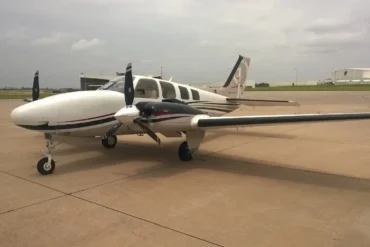
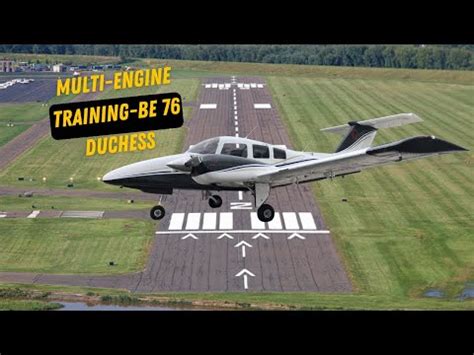
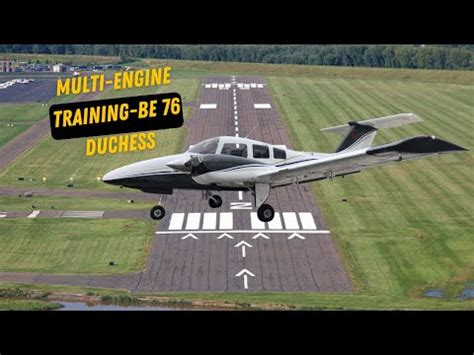
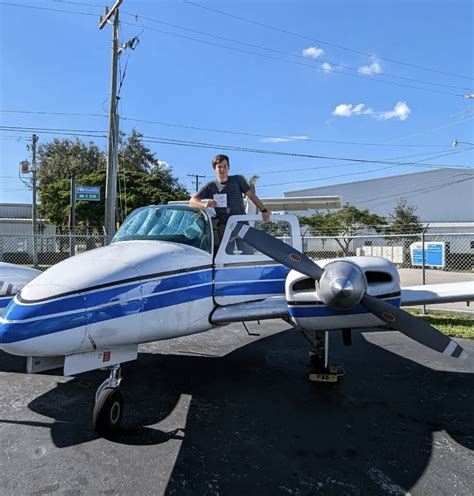
Training for the ATP multi-engine certification involves an extensive syllabus designed to ensure that pilots are fully prepared for their role as captain of a multi-engine aircraft. One key aspect of the training is the use of light twin-engine aircraft, such as the Beechcraft Duchess (BE76), which is commonly used for this certification. This aircraft provides an ideal training platform due to its manageable performance characteristics, reliability, and proven track record in multi-engine pilot training.
During the training, pilots will learn essential skills including:
- Airplane Systems and Operations: Understanding how multi-engine systems operate is crucial for managing complex aircraft during flight.
- Weight and Balance: Proper loading and understanding of the aircraft’s weight and balance limits ensures safe operation under all flight conditions.
- Aircraft Performance: Multi-engine aircraft require specific performance metrics to be met for safe operations, particularly when it comes to engine failure scenarios.
- Instrument Flight Procedures: This includes training in simulated instrument conditions that prepare pilots for situations where visibility is impaired, and they must rely solely on instruments.
Upon successful completion of the training program, pilots are required to undergo a checkride, which will mirror the Commercial Multi-Engine checkride with one significant difference: the checkride will be conducted under the hood, simulating instrument flight conditions. This ensures that the pilot can safely control the aircraft even when visual reference to the ground is lost.
Flight Hours and Additional Training for Multi-Engine ATP Certification
In some cases, applicants may not meet the minimum aeronautical experience or flight hour requirements for an ATP certificate. This could be due to the need for additional hours in multi-engine operations or instrument flight time. For those who are still building hours, training programs are available to help meet the requirements.
At training academies such as SkyEagle Aviation Academy, programs can be tailored to help students meet the minimum requirements for multi-engine time. A typical multi-engine program might include 50 hours of multi-engine flight time, with up to 25 hours being completed in a simulator. This flexibility allows pilots to complete their training efficiently while also accumulating the required flight time.
Students may also be eligible for special pricing based on their prior flight experience. If a pilot has previous multi-engine experience and can complete their training in less than 8 flight hours, reduced rates may apply.
Important Considerations for Multi-Engine ATP Certification
Becoming eligible for the ATP multi-engine certificate requires a clear understanding of the key elements involved in the training and certification process. Pilots must consider several important factors when applying for the certification:
- Medical Requirements: As with all certifications, pilots must pass the appropriate medical exams. An FAA Class 1 medical certificate is required for ATP pilots.
- Checkride Preparation: The checkride is a critical component of the ATP process, requiring careful preparation and practice under simulated instrument flight conditions.
- ATP-CTP Course: Prior to taking the ATP written exam, pilots must complete an ATP-CTP (Airline Transport Pilot Certification Training Program), which typically takes 8 days. This course is a mandatory prerequisite for the ATP written exam.
For individuals who are applying based on a foreign license, obtaining an FAA Letter of Verification is also essential to confirm the authenticity and validity of the foreign license.
Conclusion: Navigating the ATP Multi-Engine Certification Path
The journey to obtaining an ATP multi-engine certificate is a challenging but rewarding process. It requires rigorous training, a significant number of flight hours, and a comprehensive understanding of multi-engine aircraft systems and operations. However, with the proper preparation, dedication, and support from experienced instructors, pilots can successfully achieve this important milestone in their aviation careers.
For those looking to begin their training, programs such as those offered at SkyEagle Aviation Academy can provide the necessary resources and guidance to ensure that pilots are fully prepared for the ATP checkride and equipped with the skills needed to excel in the demanding world of airline transport flying.