The ATP (Airline Transport Pilot) checkride is a critical milestone in a pilot’s career, representing the culmination of years of training and preparation. It is often regarded as one of the most challenging but rewarding tests that an aspiring airline pilot will undergo. This article will walk you through every aspect of the ATP checkride, including the process, expectations, and tips for success. Whether you are currently in training or preparing for your upcoming checkride, this guide will provide a detailed overview to help you understand what to expect and how to excel.
What is the ATP Checkride?
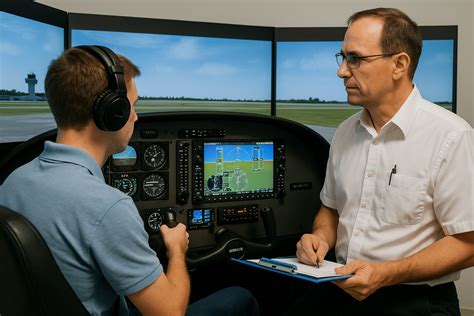
The ATP checkride, also known as the ATP practical test, is the final step to earning an ATP certificate. This checkride is typically conducted in a simulator and involves demonstrating your ability to operate an aircraft in a variety of real-world scenarios. During the checkride, you will be evaluated on your ability to execute standard maneuvers, handle emergency situations, and perform other critical tasks essential to the safety and operation of an aircraft.
Preparing for the ATP Checkride
Preparation for the ATP checkride requires both theoretical and practical knowledge. The training often begins with the ATP/CTP (Airline Transport Pilot Certification Training Program), which includes extensive classroom instruction, simulator training, and written exams. The purpose of this program is to ensure that candidates are well-versed in the advanced skills necessary for an airline pilot, including systems knowledge, emergency procedures, and flight management.
The Training Process
The ATP/CTP program generally includes the following components:
- Ground School: This phase covers topics like aircraft systems, regulations, and procedures. You’ll need to master both the technical aspects of the aircraft and the flight crew duties required during typical operations.
- Simulator Training: The simulator training phase is where you will practice the skills you’ve learned in a controlled environment. This will involve numerous scenarios that range from routine flights to emergency situations. Expect to demonstrate proficiency in maneuvers like stalls, steep turns, and simulated engine failures.
- Written Exams: These exams assess your knowledge on a wide range of aviation topics. While the ATP/CTP program provides some review, many pilots recommend additional study aids, such as Sheppard Air, to help you prepare effectively for the written test.
After completing the ATP/CTP program, the next step is the ATP checkride, which takes place in a full-motion simulator. This is where you will be tested on your ability to handle real-world flying challenges.
The ATP Checkride Experience
The ATP checkride is conducted in a simulator, with scenarios designed to assess your ability to handle a variety of in-flight situations. The checkride is typically divided into several phases, including pre-flight, flight maneuvers, and emergency scenarios.
Pre-Flight Briefing
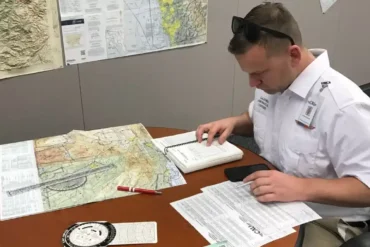
Before the checkride begins, you’ll be given a briefing by the check airman. This briefing will outline the flight scenario, including any specific requirements for the checkride. Expect to go over your route, weather conditions, and any emergency scenarios that might arise during the flight. This is a good time to ask any last-minute questions or clarify any uncertainties.
In-Flight Maneuvers
The primary portion of the ATP checkride will involve executing a series of standard flight maneuvers, such as:
- Stalls: You’ll be asked to demonstrate both power-on and power-off stalls. This is a critical skill for any pilot to master, as it tests your ability to recover from a loss of lift.
- Steep Turns: These are essential for demonstrating your control over the aircraft during tight turns.
- Emergency Descents: You may be asked to simulate an emergency situation where you must descend the aircraft rapidly to avoid terrain or other hazards.
- Approach and Landing: You will be required to demonstrate your ability to land the aircraft safely, following specific procedures for ILS approaches, missed approaches, and holding patterns.
Emergency Scenarios
In addition to standard maneuvers, the checkride will also test your ability to handle emergency situations. These may include:
- Engine Failures: A simulated engine failure is a common scenario on an ATP checkride. You will be required to demonstrate your ability to manage the emergency, troubleshoot the issue, and safely land the aircraft.
- Go-Arounds and Missed Approaches: These scenarios assess your ability to recover from an approach that is unsafe or unstable, ensuring that you can safely navigate to another approach or an alternate airport.
- Aircraft Systems Failures: You may also encounter failures of the aircraft’s systems, such as hydraulic, electrical, or fuel systems. The checkride will assess your ability to run the appropriate checklists and respond effectively.
The Role of the Check Airman
The check airman plays a crucial role during the ATP checkride. They are responsible for evaluating your performance, providing feedback, and ensuring that you meet all the required standards for the checkride. Their role is to observe and guide, but they do not actively participate in the flight. You’ll be expected to demonstrate both your technical flying abilities and your decision-making skills throughout the checkride.
Common Challenges during the ATP Checkride
While the ATP checkride is certainly challenging, there are common pitfalls that many pilots encounter. Understanding these challenges in advance can help you prepare more effectively.
- Time Management: The checkride is typically structured within a set timeframe, and managing your time efficiently during the flight is essential. Don’t rush through maneuvers, but also be mindful of the clock.
- Stress Management: It’s natural to feel some anxiety during a checkride, but managing stress and staying calm under pressure is key to success. Take deep breaths, stay focused, and rely on your training.
- Critical Thinking: During emergency scenarios, the ability to think quickly and make sound decisions is essential. Whether it’s managing an engine failure or recovering from a stall, your ability to make the right choice in the moment will be tested.
Tips for Success
- Study the Aircraft Systems Thoroughly: Familiarize yourself with the systems of the aircraft you’ll be flying during the checkride. Know the procedures inside and out, including emergency checklists.
- Practice in the Simulator: The more time you spend in the simulator, the more comfortable you’ll be during the checkride. Practice different emergency scenarios and maneuvers until they become second nature.
- Ask Questions: Don’t hesitate to ask your instructors or peers for advice. The more you learn from others, the better prepared you will be.
- Take Care of Yourself: Get plenty of rest before the checkride. Physical and mental fatigue can impact your performance, so ensure you’re well-rested and ready to focus during the flight.
What Happens After the ATP Checkride?
Upon successful completion of the ATP checkride, you will receive your ATP certificate. This marks the achievement of one of the most significant milestones in your aviation career. With this certificate, you’ll be qualified to serve as a pilot-in-command for commercial airlines, and you’ll be able to pursue career opportunities with major carriers.
The ATP checkride is a rigorous test of your flying skills, knowledge, and decision-making abilities. But with careful preparation and a solid understanding of the key maneuvers and emergency procedures, you can approach this challenge with confidence.