Preparing for an instrument checkride is a critical step for pilots looking to advance their flying skills and achieve their Instrument Flight Rules (IFR) certification. An IFR checkride is a demanding test of a pilot’s ability to operate an aircraft in low-visibility and complex conditions. For many, it marks a significant milestone in their aviation journey. This guide will walk you through the essential topics, strategies, and tools you need to excel in your instrument checkride preparation.
Understanding the Structure of the IFR Checkride
The IFR checkride is divided into two primary sections: the oral exam and the flight exam. Both parts assess a pilot’s knowledge and practical skills in IFR operations. During the oral exam, the examiner will test your understanding of flight planning, weather interpretation, and instrument navigation. Meanwhile, the flight exam focuses on your ability to perform specific IFR procedures, such as holding patterns, precision and non-precision approaches, and en-route navigation.
The oral exam is a detailed discussion where your understanding of IFR procedures and regulations will be scrutinized. Expect to be questioned on topics like flight instruments, departure and arrival procedures, lost communication protocols, and the interpretation of various weather reports like METARs and TAFs. You should also be prepared to demonstrate your ability to plan an IFR flight, including chart interpretation and understanding minimum IFR altitudes.
During the flight exam, the examiner will evaluate your ability to execute various IFR procedures. You will need to demonstrate proficiency in tasks such as VOR navigation, performing a procedure turn, and conducting a go-around in poor visibility. The examiner will also assess your skills in managing multiple radio frequencies, transitioning between various types of navigation systems, and conducting a full approach procedure using either GPS or ILS (Instrument Landing System).
Key Areas to Focus on for Checkride Preparation
1. Flight Instruments and Their Interpretation
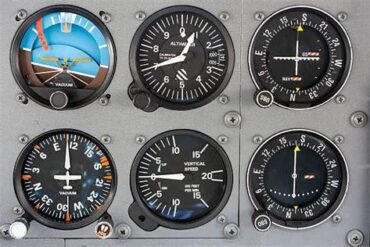
A fundamental aspect of the instrument checkride is a deep understanding of the aircraft’s flight instruments. You must be familiar with each instrument’s purpose and how to interpret the data provided. The examiner will expect you to confidently interpret readings from instruments such as the attitude indicator, altimeter, vertical speed indicator (VSI), and turn coordinator. They will also test your knowledge of airspeed indicators, particularly the different airspeed limitations like Vx and Vy, and how these relate to your current flight conditions.
Being able to analyze cross-checks between instruments is also critical, especially when flying solely by reference to instruments in conditions of low visibility. In some cases, you may be asked to identify a malfunction or discrepancy between instruments and explain how you would handle the situation.
2. IFR Flight Planning and Clearance
Before departing, it is essential to prepare a detailed IFR flight plan, including route, alternate airports, and fuel requirements. You should understand the process of filing an IFR flight plan, including how to choose the proper route of flight based on airways, navigational aids (NAVAIDs), and minimum en-route altitudes (MEA).
Understanding clearance delivery procedures is another key area to focus on. You must be able to respond correctly when receiving your clearance, noting items like the route, departure procedure, and the altitude assignments provided. It’s crucial to be familiar with ATC phraseology and know how to request deviations or clarifications if necessary.
3. Departure Procedures and En-route Navigation
Departure procedures are designed to ensure safe transitions from the runway into controlled airspace. Be prepared to explain and demonstrate your knowledge of Standard Instrument Departures (SIDs) and Obstacle Departure Procedures (ODPs). You should be able to identify the climb-out procedures from an airport, including required minimum climb rates and specific turn directions.
En-route navigation requires a solid grasp of how to use airways, VORs, and intermediate fixes to follow a safe route to your destination. Understanding minimum en-route altitudes and lost communication procedures is essential for this part of the checkride. You will need to demonstrate your ability to use these resources to maintain situational awareness during IFR operations.
4. Approaches and Approach Plates
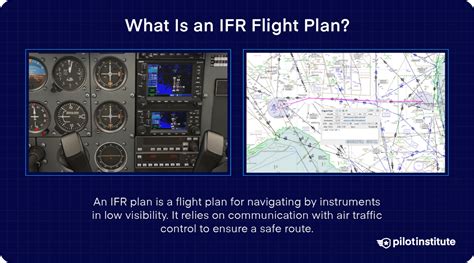
One of the most challenging aspects of an IFR checkride is executing instrument approaches. You will need to demonstrate your ability to execute various types of approaches, including precision approaches like the ILS and non-precision approaches such as the VOR approach or RNAV approach. Understanding approach charts and how to interpret all the data presented is essential.
An approach plate contains a wealth of information, including headings, altitudes, distances, and minimums. The examiner will ask you to interpret approach charts for specific airports and conditions. Be sure to understand how to identify step-down altitudes, circling minimums, and how to execute the approach in varying conditions.
Another critical component is the go-around procedure. The examiner will likely ask you to demonstrate this maneuver if the weather conditions change or if the approach becomes unstable. Knowing when and how to initiate a go-around is crucial for maintaining safety during the approach phase.
5. Lost Communication Procedures
Lost communication is an emergency scenario that you must be prepared to handle in the checkride. You should understand the various lost communication protocols outlined in the IFR regulations, including route assignments and altitude assignments when communication is lost. You may be asked to demonstrate how you would react to a loss of radio contact and how to ensure your safety and the safety of others.
6. Weather Reports and Interpretation
Being able to interpret weather data accurately is another critical skill that will be tested. You must understand how to read METARs, TAFs, and PIREP (Pilot Reports). The examiner may ask you to analyze a weather report and explain how it would affect your flight planning and decision-making process.
One common area of focus is interpreting the ceiling, visibility, and wind direction to assess whether conditions are appropriate for the planned approach or landing. In some cases, you may be asked to determine if a diversion to an alternate airport is required due to changing weather conditions.
Mock Checkride Practice
A great way to prepare for your instrument checkride is by conducting a series of mock checkrides with an instructor or experienced pilot. This allows you to experience a realistic checkride environment where you can practice all of the procedures and maneuvers you will be expected to demonstrate during the actual exam. Mock checkrides also provide an opportunity to refine your decision-making, improve your radio communications, and ensure you are comfortable with all aspects of the test.
If you don’t have access to an instructor for mock checkrides, there are various simulators and online tools available that can help you practice your skills. These tools can simulate different IFR conditions and test your knowledge of procedures, charts, and weather reports.
Conclusion
Preparation for an IFR checkride requires a well-rounded approach that includes studying flight instruments, learning procedures, and practicing your decision-making in simulated IFR conditions. By focusing on these key areas, you can build the confidence and skills necessary to pass your instrument checkride with flying colors. Stay focused, practice regularly, and always seek feedback from experienced instructors to continue refining your skills. Whether you are preparing for your first checkride or your tenth, thorough preparation is the key to success.
By following this guide and utilizing the resources available, you’ll be fully equipped to ace your instrument checkride and continue advancing your aviation career.