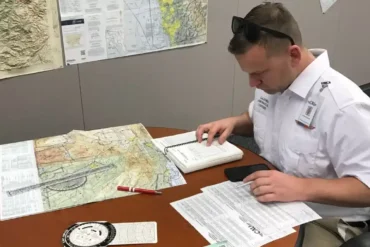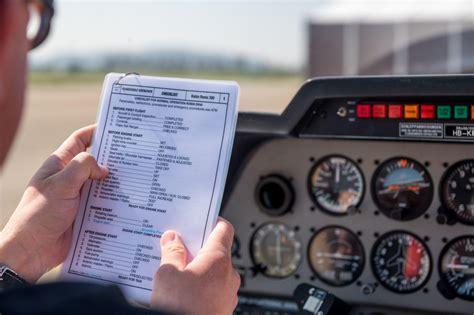
Pre-flight preparation is a crucial step before any flight. It typically involves five key stages, though the first two can be swapped: AIS Briefing, Meteorological Briefing, Route Selection, Chart Preparation, and Flight Plan Preparation.
AIS Briefing
The AIS briefing focuses on gathering all relevant aeronautical information that could impact the flight. This includes both permanent information found in national Aeronautical Information Publications (AIPs) or commercial flight guides and temporary details available through NOTAMs and AICs. Most airports provide briefing facilities for pilots, but coverage may vary by location. In cases where facilities are limited, pilots might have access to a central aeronautical library or online resources. AIPs adhere to ICAO standards, yet they often cover limited areas, making commercial flight guides more user-friendly.
Meteorological Briefing
The meteorological briefing is about understanding the forecasted and actual weather along the planned route and at key airfields. This includes assessing forecast winds and temperatures at cruising altitudes, alongside potential en-route weather conditions like cloud cover and turbulence or icing risks. This information is often displayed on specialized charts. Airfield weather reports can either be actual (Meteorological Terminal Air Report or METAR) or forecasted (TAF). METARs are issued regularly, and if significant changes occur before the next scheduled report, a special report (SPECI) is provided. To ensure clarity and brevity, METARs, SPECIs, and TAFs follow a consistent format and use straightforward, self-explanatory codes.