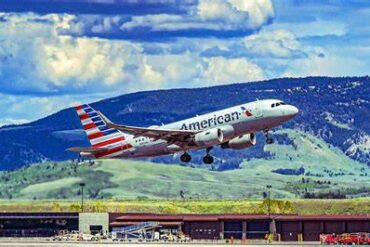
In a legal case that could have sweeping implications for airline labor practices, a Philadelphia-based flight attendant has filed a federal lawsuit against American Airlines, alleging that the company systematically underpays flight attendants by not compensating them for a range of essential pre-flight and post-flight duties.
Ground Time, Unpaid Time: Core of the Lawsuit
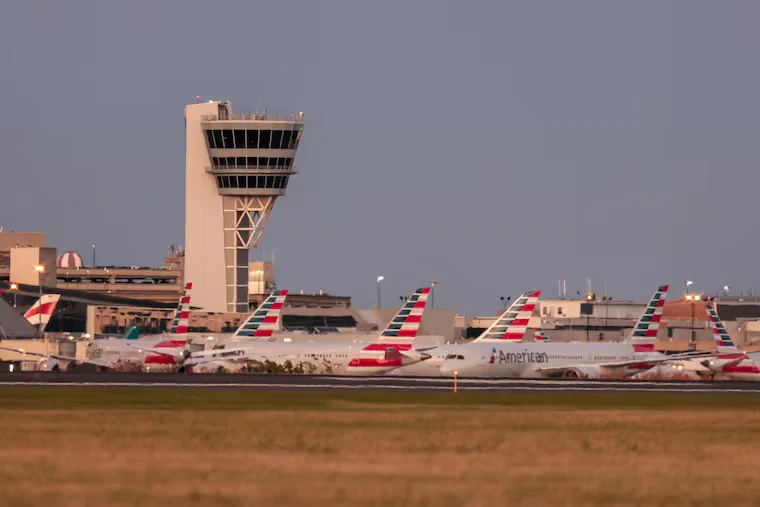
At the heart of this unfolding legal battle is Christopher John, a flight attendant assigned to American Airlines’ hub at Philadelphia International Airport (PHL). In October 2025, John initiated legal proceedings in the Philadelphia County Court of Common Pleas, later moved to federal court. The complaint claims that American Airlines fails to compensate its flight attendants for mandatory work-related tasks such as:
- Arriving two hours before departure,
- Time spent during boarding and deplaning,
- Transportation to and from hotels,
- Waiting periods on airport shuttles.
John argues that these are not peripheral responsibilities, but rather essential parts of a flight attendant’s daily duties and thus deserve fair compensation.
Union Contract vs. State Law Protections
American Airlines has responded by pointing out that its flight attendants, including John, operate under the collective bargaining agreement (CBA) negotiated by the Association of Professional Flight Attendants (APFA). The union, which represents around 28,000 cabin crew members, renewed its contract in 2024, with terms valid through 2029.
The company claims that the CBA already provides above-standard pay and includes specific terms on when pay begins and ends, terms that were agreed upon by union leadership. Moreover, American Airlines asserts that the Pennsylvania Minimum Wage Act does not apply in this context, because it exempts airline employees covered by a union contract from additional overtime requirements. As such, the airline’s legal defense will likely center on a motion to dismiss based on these exemptions.
Industry-Wide Practice of ‘Door Closed’ Pay
The legal argument being made by Christopher John underscores a controversial practice that permeates much of the airline industry: paying flight attendants only when the aircraft doors are closed and the plane is preparing for departure. This standard was born from legacy labor practices and reinforced by outdated legal frameworks that prioritize “wheels up” compensation—meaning workers are paid primarily for the time the aircraft is actually in the air.
This method often leaves flight attendants uncompensated for several hours of their day, particularly on short-haul routes or during delays, weather disruptions, and mechanical holds.
Delta’s Compensation Reforms Spark New Expectations
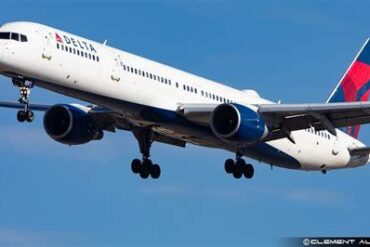
While many airlines cling to legacy pay structures, Delta Air Lines began shifting the industry standard in 2022 by introducing boarding pay. Under this model, flight attendants are compensated for half their hourly flight rate while passengers board the aircraft. While Delta’s policy still includes variables based on destination, aircraft type, and boarding time limits, it nonetheless marked a significant departure from tradition and an acknowledgment of longstanding crew grievances.
This reform reignited conversations about equity and compensation within the industry and may have influenced John’s decision to challenge American’s practices legally. Delta’s move has created precedent and pressure for other airlines to modernize their compensation schemes in response to union negotiations and public scrutiny.
Flight Attendants’ Role Goes Far Beyond Flight Time
Flight attendants are tasked with a complex range of responsibilities well before a flight takes off and long after it lands. Their job includes safety checks, pre-boarding briefings, security compliance, passenger assistance, and emergency preparedness—all of which occur outside the bounds of compensated time in many airlines.
Christopher John’s lawsuit emphasizes that neglecting to compensate for this segment of work misrepresents the actual labor performed and constitutes wage theft under the broader lens of employment law. The argument leans on the premise that work is not defined solely by when an engine is running but by when an employee is required to be present and perform essential duties.
Legal and Industry Implications: A Precedent in the Making?
If the court allows this lawsuit to proceed, the implications could reverberate across the U.S. aviation industry. The case challenges long-standing interpretations of collective bargaining agreements and could potentially redefine how pre-flight duties are treated under state and federal labor laws.
Should the court find in favor of John, American Airlines—and potentially other carriers—might be forced to:
- Revise compensation policies,
- Negotiate new union agreements,
- Offer retroactive pay for previously uncompensated work,
- Face additional lawsuits from other employees seeking similar claims.
While the outcome remains uncertain, legal experts suggest that the case could either reinforce the dominance of union contracts in regulating compensation, or it could open a new legal pathway for individual employees to challenge unfair labor practices outside the bounds of collective bargaining.
Union Silence and Legal Strategy
Both American Airlines and the APFA have declined to comment on the ongoing litigation. This silence likely stems from the sensitive legal posture the company must maintain while the lawsuit unfolds. Meanwhile, John’s attorney has also refrained from further public comment, suggesting that the strategy may be to let the legal filings speak for themselves.
In the legal realm, much will depend on the interpretation of contract law versus state-mandated protections. If the court determines that the CBA does not supersede the state wage laws in this specific context, the case may proceed to a full hearing.
A Wider Reckoning in Airline Labor Practices
The timing of this lawsuit aligns with a broader wave of labor activism sweeping across various sectors in the United States. Flight attendants, pilots, ground crew, and airline technicians have all increasingly voiced their dissatisfaction with wage structures, schedules, and job security.
This case also reflects the growing gap between worker expectations and corporate practices in an era where companies are under greater pressure to offer transparency, fair compensation, and improved working conditions.
Conclusion: A Turning Point or a Legal Dead End?
Christopher John’s lawsuit against American Airlines is far more than a pay dispute—it is a litmus test for how far workers can go to seek redress outside of union channels and whether courts are willing to challenge labor practices once considered standard.
As American Airlines prepares its legal response, other carriers, labor unions, and employment law experts are watching closely. The case will not only shape compensation policies for flight attendants but may also ripple into other industries where unpaid pre- and post-shift duties are common.
The next legal steps will determine whether this lawsuit becomes a historic milestone in labor rights or is quietly dismissed by procedural defenses and contractual fine print. Either way, it has already reignited a national conversation about what it means to be fairly compensated for a full day’s work—from the moment a worker walks through the door to the moment they leave.