UPS Air Freight has become a topic of growing interest among global shippers, especially those aiming to minimize transit time without incurring exorbitant shipping fees. On paper, it appears to be the golden solution—cheaper than sea freight and far faster. But why then does sea freight remain the dominant choice for global logistics? The answer lies beneath the surface, tangled in weight classifications, international tax structures, volumetric pricing, and customs complexities.
What Is UPS Air Freight?
UPS Air Freight is an expedited cargo shipping service that utilizes available space on UPS aircraft to transport goods internationally and domestically. Unlike UPS Ground or Standard Air Services, UPS Air Freight is designed for larger shipments, typically those over 150 lbs, offering a blend of speed and affordability—especially when cargo qualifies for standby transport.
Air freight through UPS often leverages consolidated space—unused cargo room on scheduled flights—which allows shippers to capitalize on lower costs, but at the trade-off of flexibility and guaranteed schedules. While it may appear cheaper per shipment than ocean freight, the full landed cost can escalate rapidly depending on factors like cargo weight, destination country, and applicable import taxes.
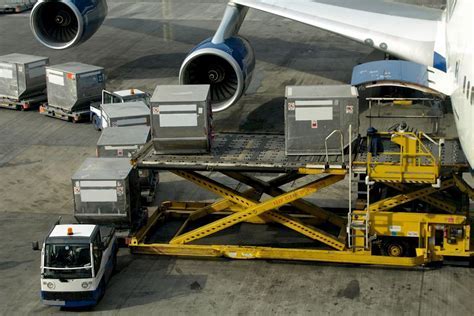
How Taxes and Duties Impact Air Freight Costs
One of the most overlooked variables when evaluating air vs. sea freight is the taxation landscape that surrounds air cargo. Here’s where UPS Air Freight loses its surface-level appeal:
- Customs Duties: Unlike sea shipments that might benefit from bulk shipping declarations or special bonded warehouse arrangements, air cargo is often processed on a per-item basis. This results in higher declared values and thus higher duties.
- Import VAT (Value Added Tax): In countries like the UK or those in the EU, air freight is subject to VAT on the CIF value (Cost, Insurance, Freight). Because air freight costs are higher per kg than ocean freight, the CIF value spikes, increasing VAT payments proportionally.
- De Minimis Thresholds: While some countries offer duty-free thresholds for small shipments, these thresholds are often lower for air freight due to its expedited nature. Shipments that would otherwise be free from duties under sea freight become taxable under air cargo standards.
Volumetric Weight and Its Role in Final Cost
In air freight, dimensional weight—or volumetric weight—often overrides actual weight in rate calculations. The formula used by UPS is:
Volumetric Weight (lbs) = (Length x Width x Height in inches) / 139
This formula penalizes light but bulky items. For example, a large box of foam pillows may weigh only 20 lbs but could be charged as if it weighed 100 lbs based on size.
For ocean freight, cost is mostly determined by container size (e.g., 20-ft or 40-ft containers), which makes it far more cost-effective for shipping bulky or high-volume cargo.
UPS Freight Classifications and Price Tiers
UPS has different freight tiers depending on the nature and weight of the shipment:
- UPS Ground Freight: Ideal for heavy domestic shipments under 150 lbs.
- UPS Freight LTL (Less Than Truckload): For freight too heavy for standard UPS packages.
- UPS Air Freight: Best for large shipments above 150 lbs that need international delivery in 1–5 business days.
As the shipment weight crosses certain thresholds—commonly 70 lbs, 150 lbs, and above—the rate per pound significantly changes. Often, air freight becomes more affordable per lb at the higher end of these thresholds, but the total tax burden still rises.
Why Sea Freight Still Dominates Global Shipping
Even though UPS Air Freight can be faster and occasionally cheaper, the global logistics industry continues to lean heavily on sea freight for several reasons:
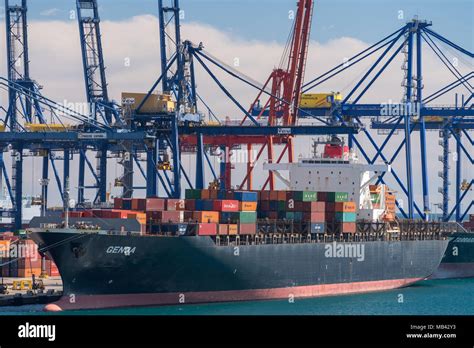
1. Volume Efficiency: Sea freight supports full container loads (FCL) and less-than-container loads (LCL), making it ideal for shippers moving thousands of pounds of cargo—something air freight can’t match.
2. Lower Per Unit Cost: Shipping costs for a 40-ft container may appear high, but when distributed across thousands of units, the cost per item becomes extremely low—something air freight cannot offer.
3. Predictability & Contract Flexibility: Shipping lines often offer fixed scheduling, volume discounts, and space guarantees—which air freight standby services typically lack.
4. Tax and Duty Optimization: With sea freight, importers may consolidate shipments or utilize bonded warehousing to defer duties or optimize tax declarations.
Misconceptions About Air Freight Rates
A recurring point from users on shipping forums is the perceived cost efficiency of air freight. However, what often gets missed are the hidden costs:
- Brokerage Fees: UPS and similar carriers often apply additional charges for customs clearance, which aren’t always visible in the base quote.
- Fuel Surcharges: These can fluctuate wildly with oil prices, especially on transpacific or intercontinental routes.
- Airport Handling Fees: Many destinations charge fees for cargo handling at airports, which are not applicable to sea freight ports.
In many cases, these additional fees erase any price advantage air freight initially appears to offer.
When Is UPS Air Freight the Better Option?
Despite its limitations, UPS Air Freight excels in specific contexts:
- Urgent Shipments: Time-sensitive materials, medical supplies, or perishable goods that cannot afford delays.
- Low-Volume, High-Value Cargo: Jewelry, electronics, prototypes, or rare components that justify higher freight and tax costs.
- Infrequent or One-Time Shipments: Businesses doing trial runs or samples often choose air freight for speed and simplicity.
- Regions With Limited Port Access: For landlocked countries or island nations, air freight may be the only practical choice.
Calculating the True Landed Cost of UPS Air Freight
To assess whether air freight is truly cheaper, importers must calculate the total landed cost, including:
- Base Freight Charges (based on actual or volumetric weight)
- Customs Duties and Import Taxes
- Brokerage and Clearance Fees
- Insurance Premiums (often higher for air shipments)
- Fuel and Surcharges
For example, shipping a 300-lb package valued at $5,000 from the US to Germany might incur:
- Base freight: $600
- VAT (19% on CIF value): $1,100
- Duties: $250
- Brokerage fees: $150
- Total landed cost: $2,100+
This underscores why ocean freight remains the preferred mode for larger operations with tighter margin constraints.
Why UPS Doesn’t Always Offer Transparency Upfront
Multiple users report that UPS’s pricing for freight can be opaque, with key details only revealed late in the process. This is by design:
- UPS calculates many charges dynamically based on actual cargo classification at shipment.
- Taxes are country-specific and depend on tariff codes (HS Codes).
- Customer service response times vary, and quoting systems aren’t always real-time.
This lack of transparency frustrates new shippers but serves the logistics ecosystem by minimizing rate exploitation and ensuring compliance with customs rules.

Conclusion
While UPS Air Freight offers exceptional speed and a surface-level cost advantage, its appeal fades when taxes, duties, and hidden fees are factored into the equation. For small, urgent, or high-value shipments, it remains a viable and strategic option. However, businesses moving large volumes, seeking predictable costs, and optimizing long-term shipping budgets continue to favor sea freight for its structural advantages.
The key to success lies in accurate landed cost estimation, understanding import regulations, and working with experienced brokers. Only then can shippers truly determine whether UPS Air Freight aligns with their business goals.
FAQs
Is UPS Air Freight really cheaper than sea freight?
While the base rate might appear cheaper, once duties, VAT, fuel surcharges, and brokerage fees are included, UPS Air Freight is often more expensive on a per-unit basis for bulk shipments compared to sea freight.
How does UPS calculate air freight rates?
UPS uses volumetric weight formulas to charge for air freight. This means light but large packages may be priced higher than expected. The formula is: (L x W x H in inches) ÷ 139.
Do I always pay import taxes when using UPS Air Freight?
Yes. All shipments crossing international borders are subject to local customs laws. The taxes and duties depend on the shipment’s declared value, classification (HS Code), and destination country.