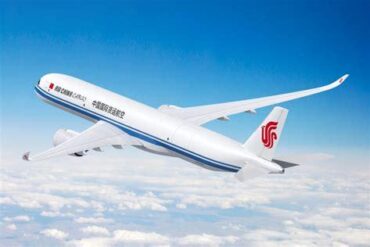
The aviation landscape is undergoing a seismic transformation as Australia, the United States, and the United Kingdom collectively embrace the Airbus A350-1000ULR and A350F, two advanced aircraft redefining long-haul connectivity and freight logistics. This strategic alignment is not just a technological upgrade—it’s a visionary leap that reshapes how passengers travel and how goods move across the globe.
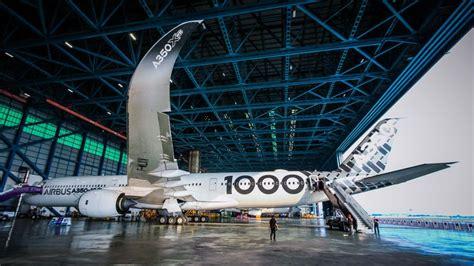
On June 13, 2025, Airbus officially launched flight testing for these two pivotal aircraft. As the cornerstone of Airbus’s widebody offerings, the A350 family has already enjoyed global adoption. Yet, with the introduction of the ultra-long-range A350-1000ULR and the freighter-dedicated A350F, the aircraft manufacturer is doubling down on market-specific innovation, aiming to fulfill operational needs that will define aviation for decades.
Aviation Powerhouses Drive Global Route Expansion
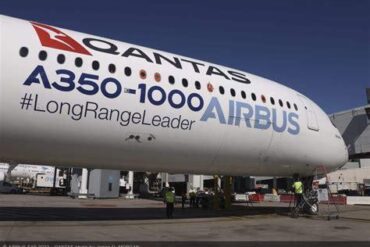
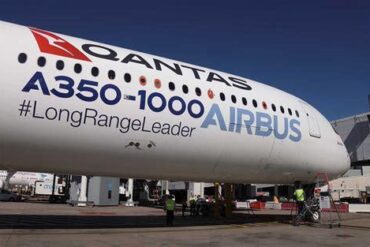
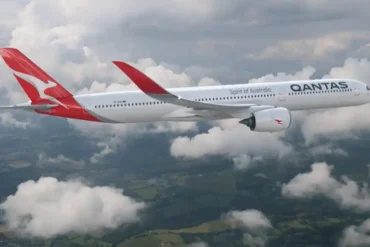
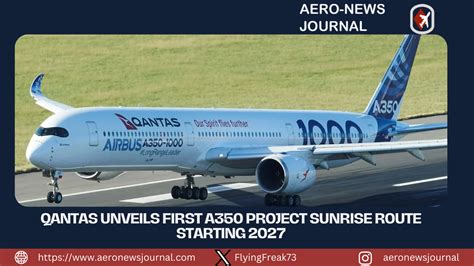
Australia, spearheaded by Qantas Airways, is at the forefront of deploying the A350-1000ULR to fulfill its ambitious “Project Sunrise.” This initiative will enable nonstop flights between Sydney and key cities like London and New York, forming some of the longest passenger routes in commercial aviation history. For Qantas, the A350-1000ULR isn’t just about distance—it’s about dominance, seizing market share in ultra-premium nonstop service with unparalleled range and passenger comfort.
In parallel, the United States is positioning itself to strengthen both its passenger and freight capabilities. U.S. carriers and cargo operators stand to benefit from the fuel efficiency, extended payload range, and next-generation cockpit of the A350 variants, ensuring competitive relevance in a market increasingly driven by precision logistics and sustainability mandates.
Meanwhile, the UK’s integration of the A350 platform serves dual purposes: enhancing its post-Brexit transcontinental reach and equipping its carriers with tools for both strategic trade and premium travel services. With London serving as a global aviation hub, the ULR’s ability to eliminate stopovers unlocks time-saving routes vital to business travelers and freight consolidation centers alike.
The Engineering Leap of the A350-1000ULR
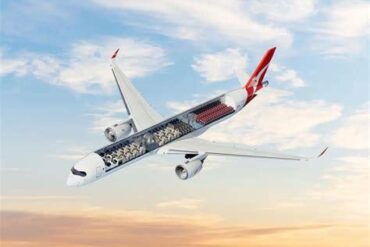
The Airbus A350-1000ULR is meticulously engineered for ultra-long-haul missions, featuring enhanced fuel systems and weight optimization. Designed to fly more than 9,700 nautical miles, this variant offers a transformative solution to airlines seeking to eliminate inefficient layovers and tap into underutilized, direct international corridors.
The ULR’s innovation centers around:
- Additional fuel tanks integrated within the airframe
- Modified landing gear and weight distribution for optimized takeoff performance
- Flexible cabin configurations to support both high-yield premium seating and endurance comfort
Its inclusion in Qantas’s fleet for Project Sunrise is critical. The airline aims to build a premium leisure and business route network that reduces total travel time, increases aircraft utilization, and captures a lucrative segment of the market willing to pay for convenience and exclusivity.
The A350F: Cargo Reinvented for the Jet Age
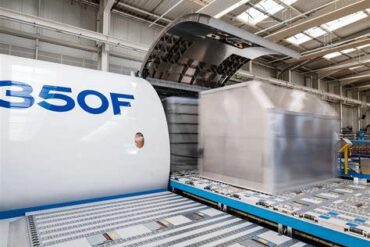
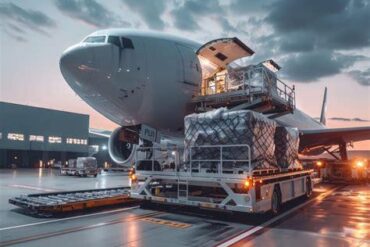
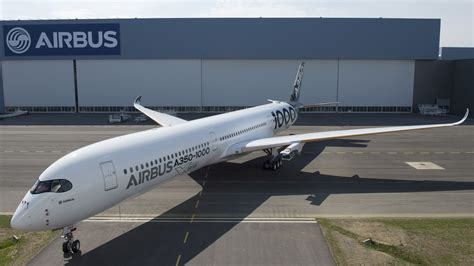
While the passenger-centric ULR garners headlines, the A350F is quietly preparing to revolutionize air cargo logistics. Airbus has recognized the need to phase out aging freighter fleets—many of which rely on modified passenger aircraft or fuel-intensive legacy jets. The A350F is the first new purpose-built widebody freighter in over a decade, boasting a payload capacity of over 109 tonnes and a range of more than 4,700 nautical miles.
Key advancements include:
- Large forward cargo door for seamless loading of oversized shipments
- Reinforced main deck floor and fuselage structure to accommodate dense cargo
- Digital avionics and flight systems derived from the A350 passenger platform
- Compliance with ICAO’s CO₂ emissions standards for 2027
The freighter’s structural integrity and fuel efficiency mean lower cost-per-tonne and higher frequency deployment, particularly important in the US cargo ecosystem where companies like FedEx, UPS, and Amazon Air demand scalable, sustainable platforms.
Production Surge Amid Soaring Demand
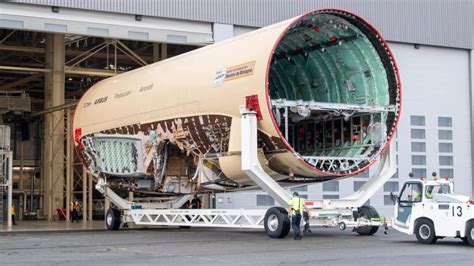
According to Aviation Week, Airbus’s production schedule for the A350 family is already sold out through 2031, underscoring the insatiable demand from global carriers. To meet the moment, Airbus plans to ramp up production to 12 aircraft per month by 2028, contingent on supply chain stability and certification milestones.
Julien Puyou, Airbus’s head of widebody programs, affirmed the company’s intention to focus exclusively on the A350-1000ULR and A350F, shelving any near-term expansion plans for a higher-capacity A350 variant. This focus ensures that development resources remain concentrated on executing the current dual-path strategy: intercontinental endurance and freight excellence.
Global Competitive Dynamics and Boeing’s Position
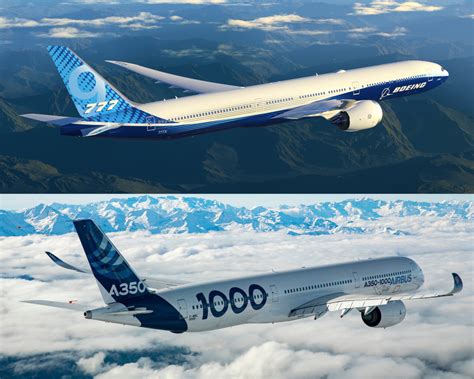
The introduction of these A350 variants further intensifies the Airbus-Boeing rivalry. Boeing’s 777X, long delayed and still awaiting certification, was once expected to dominate long-range and cargo markets. However, Airbus’s dual offering of the ULR and freighter—both optimized for fuel efficiency and emissions compliance—threatens to undermine Boeing’s position.
Where the 777X promises capacity, the A350-1000ULR delivers versatility and real-world deployability, especially attractive to national carriers with flagship prestige ambitions, like Qantas and British Airways. Similarly, in the cargo segment, Airbus’s clean-sheet freighter could disrupt legacy operators still reliant on aging 747-400Fs or MD-11Fs.
Strategic Implications for Airlines and Governments
The national embrace of these aircraft by Australia, the US, and the UK reflects a shared geopolitical strategy to enhance soft power through aviation leadership. With travel expected to surge in the coming decade, particularly on nonstop transcontinental routes, having exclusive early access to next-generation aircraft can shape regional influence and economic reach.
From bilateral air service agreements to tourism infrastructure planning, the A350-1000ULR and A350F unlock a suite of policy tools that extend beyond aviation into trade, diplomacy, and even defense logistics. Countries securing early production slots are likely to emerge as aviation technology exporters, consultants, and standard-setters.
The Road Ahead: Certification and Entry Into Service
While both aircraft are poised for market disruption, their impact hinges on the successful execution of flight testing and certification protocols. The A350-1000ULR, though derived from a proven platform, must demonstrate performance under extended ETOPS conditions, cabin pressure control for longer exposures, and optimized crew rest areas.
Meanwhile, the A350F’s conversion involves complex structural modifications that require scrutiny from regulators across multiple jurisdictions. Airbus aims for the freighter’s first test flight by mid-2026, with deliveries projected to begin in early 2027.
Conclusion: The Next Chapter in Long-Haul and Cargo Aviation
The Airbus A350-1000ULR and A350F are not incremental updates—they are bold, specialized solutions to the emerging demands of a hyper-connected, sustainability-conscious aviation sector. By aligning with Australia, the US, and the UK, Airbus has chosen launch partners with both strategic ambition and operational scale.
The coming years will test whether these aircraft can deliver on their promise: to redefine range, revolutionize cargo, and reshape the competitive map of international aviation. If successful, they will cement Airbus’s leadership and set a new bar for what’s possible in the skies.