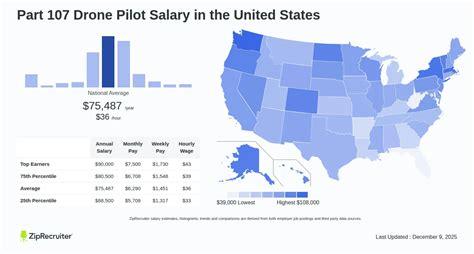
The average drone pilot salary can vary dramatically depending on experience, industry, certifications, and the type of missions performed. Unlike traditional careers with decades of established pay structures, commercial drone operations are still developing, creating a wide range of reported earnings. Current salary estimates from major job platforms can differ significantly, with averages ranging from around $48,000 to more than $130,000 per year.
The variation exists because “drone pilot” describes many different professions. A beginner capturing aerial photos for real estate listings is performing a completely different job from a specialist inspecting power infrastructure, creating 3D maps, or operating drones for defense applications. Although each professional may hold the same basic certification, the value of their work depends heavily on the data they collect and the risks they manage.
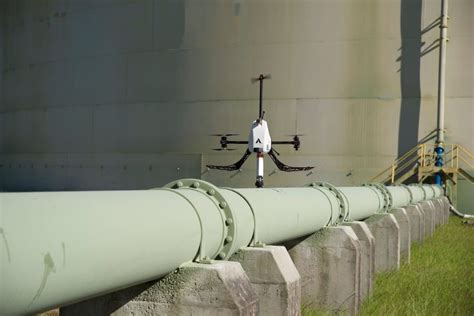
When combining multiple salary sources, the estimated average income for a drone pilot is approximately $85,000 to $90,000 annually. However, this number does not represent every pilot equally. Freelance operators, business owners, and specialized contractors often earn differently because they charge project rates rather than receiving traditional salaries.
Many freelance drone pilots charge between $80 and $250 per hour, depending on their skills, equipment, location, and the complexity of the assignment. A pilot equipped with advanced cameras, thermal sensors, or mapping technology can often command higher rates because clients are paying for specialized information rather than simply flight time.
Factors That Determine a Drone Pilot’s Salary
The biggest factor influencing drone pilot earnings is the industry where the pilot works. A person creating promotional videos for businesses may earn a modest income, while a professional collecting technical data for engineering companies can reach six figures.
The most profitable drone careers usually involve industries where accurate aerial information can save companies significant amounts of money. For example, energy companies use drones to inspect power lines, wind turbines, and electrical infrastructure. These inspections reduce the need for dangerous manual work and allow engineers to identify problems before major failures occur.
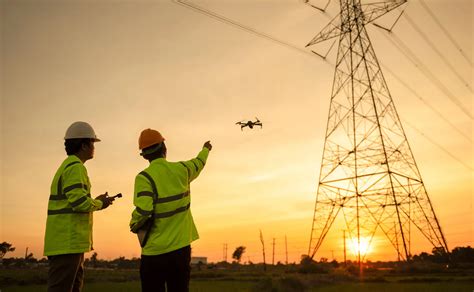
Energy infrastructure inspection is one of the better-paying fields, with experienced specialists often earning around $90,000 to $100,000 per year. Similarly, LiDAR mapping, which uses laser sensors to create highly detailed 3D models of landscapes and structures, can generate salaries between $90,000 and $120,000 annually.
Photogrammetry specialists can also earn strong incomes by transforming drone images into accurate maps and measurements. These professionals are valuable in construction, surveying, agriculture, and environmental monitoring because their work produces usable data for planning and decision-making.
Does Drone Certification Increase Salary?
Obtaining certification is an important first step for anyone pursuing professional drone work. In the United States, commercial operators typically need an FAA Part 107 Remote Pilot Certificate, which demonstrates knowledge of aviation regulations, safety procedures, weather conditions, and airspace requirements.
However, certification alone does not guarantee a high salary. The certificate allows pilots to legally operate commercially, but higher earnings come from developing specialized skills, gaining industry experience, and learning how to process the information collected by drones.
A pilot who understands data analysis, mapping software, thermal imaging, or inspection procedures can often earn much more than someone who only knows how to control the aircraft.
High-Paying Drone Pilot Career Opportunities
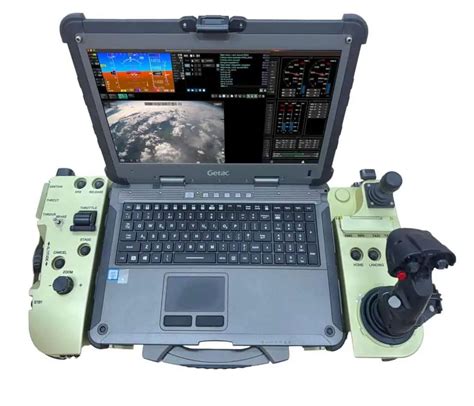
Some of the highest-paying drone jobs involve complex operations and additional regulatory requirements. One example is beyond visual line of sight (BVLOS) operations, where drones fly farther than the pilot can directly see.
BVLOS missions are valuable for industries such as infrastructure monitoring, agriculture, and delivery testing. Because these operations require additional approvals and advanced safety procedures, qualified pilots can earn more than traditional operators, with some positions exceeding $100,000 annually.
Defense contractors, emergency response organizations, and government agencies also offer higher-paying opportunities. These roles often require additional background checks, technical expertise, and experience with advanced drone platforms.
Is Becoming a Drone Pilot a Good Career Choice?
The drone industry continues to expand as companies discover new uses for unmanned aircraft. Construction firms, energy providers, farmers, filmmakers, and security organizations increasingly rely on drone technology to collect information faster and more safely.
A realistic expectation for many professional drone pilots is an annual income between $50,000 and $95,000, with experienced specialists earning considerably more. The highest salaries usually belong to pilots who combine flying ability with technical expertise.
The future of drone careers will likely reward professionals who move beyond basic flight skills. Pilots who understand data collection, automation, artificial intelligence, and industry-specific applications will have the strongest opportunities as commercial drone technology continues to grow.