The aviation industry in the United States has long been a pillar of transportation, commerce, and economic growth. Among the many airlines that have left a mark, US Airways stands out not just for its history but for the opportunities it once provided and those that continue to exist through its successors and the industry network. Although US Airways merged with American Airlines in 2015, the spirit of its employment culture and its legacy roles remain influential, especially in roles aligned with aviation services and airport support.
For those passionate about aviation careers—whether in aircraft cleaning, maintenance, customer service, or airport operations—the ecosystem once led by US Airways offers abundant pathways.
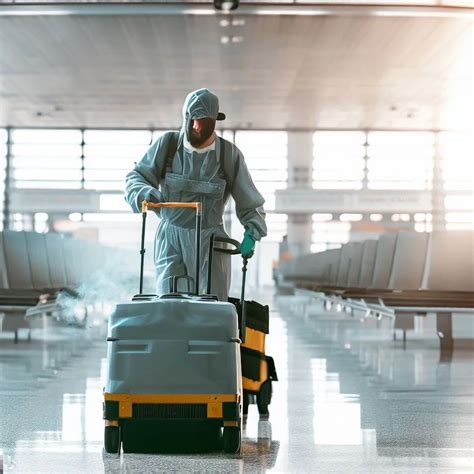
Legacy of US Airways Employment Culture
US Airways, before its merger, was known for cultivating a strong internal community of aviation professionals. Its hiring practices focused on inclusivity, safety, technical proficiency, and service excellence. These values were carried into the merged operations under American Airlines, and can still be seen in companies supporting airline operations today, like PrimeFlight Aviation Services.
This legacy has continued to shape job roles that require meticulous attention to detail, regulatory compliance, and hands-on skill—particularly in aircraft sanitation, ramp handling, logistics, and maintenance support.
Current Career Avenues Influenced by US Airways’ Structure
Today, while direct US Airways listings are absent, affiliated or supporting roles remain active and vibrant. One such example is the role of an Aircraft Cleaner/Toilet Shroud Cleaner at Ted Stevens Anchorage International Airport (ANC), employed by PrimeFlight Aviation Services. Though not branded under US Airways, the job reflects the same dedication to cleanliness, safety, and aircraft turnaround efficiency that US Airways personnel were trained for.
This role is emblematic of a broader employment trend in aviation: specialized cleaning crews who not only manage general cabin hygiene but also tackle highly regulated and critical components like lavatory systems and toilet shrouds, ensuring full sanitary compliance before aircraft reentry into service.
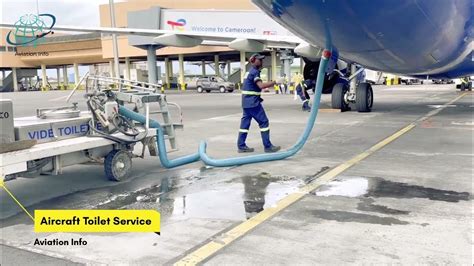
What It Means to Be an Aircraft Cleaner/Toilet Shroud Specialist
The job of an aircraft cleaner is no longer limited to vacuuming floors and wiping down seats. In high-traffic, post-pandemic aviation, deep sanitation and biohazard handling have become standard expectations. This job is often physically intensive and highly regulated, requiring:
- Proficiency in using industrial cleaning agents and materials
- Adherence to FAA and TSA safety standards
- Compliance with environmental waste protocols
- Full PPE usage and hazardous material training
Technicians must clean toilet components thoroughly, sanitize high-touch areas, disinfect the waste compartments, and ensure the materials are safe to return to use. In many ways, the job is part cleaning and part public health defense.
The typical day involves coordination with other airport departments, often under tight schedules and overnight turnarounds. Cleaners may also assist with prepping galleys, inspecting emergency equipment, and confirming that cabins meet all regulatory cleanliness standards.
Work Environment and Physical Demands
The position is not for the faint of heart. It demands:
- Lifting up to 70 pounds regularly
- Operating in confined and often uncomfortable spaces
- Repetitive movements, squatting, stretching, and crawling
- Working in noisy and chemically treated environments
- Exposure to biological waste and hazardous materials
Nevertheless, for those drawn to hands-on roles with tangible impacts, it can be both challenging and fulfilling. The pride in ensuring an aircraft is flight-ready and safe for passengers is a motivator for many in this role.
Qualifications and Skill Set
While formal degrees are not required, the job demands technical aptitude, English language proficiency, and interpersonal coordination. Applicants must be:
- 18 years or older
- Legally eligible to work in the U.S.
- Able to pass drug screening and background checks
- Comfortable working in shifts that include weekends and holidays
Preferred experience includes prior work in aircraft sanitation or cleaning, although companies like PrimeFlight offer on-the-job training. This opens up the role to a broader pool of applicants, including those entering the aviation field for the first time.
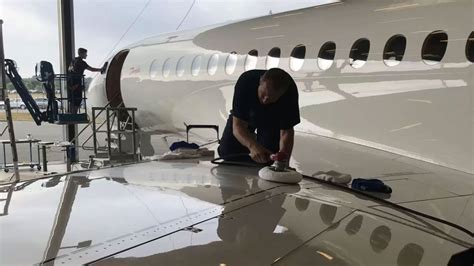
Compensation, Benefits, and Career Growth
Starting at $18 per hour, the compensation for an Aircraft Cleaner/Toilet Shroud Cleaner may appear modest at first glance. However, the benefits structure is highly competitive in the context of aviation support roles. Employees enjoy:
- 401(k) plans with matching contributions
- Health, dental, and vision insurance
- Life insurance coverage
- Paid time off and holiday pay
Furthermore, PrimeFlight and similar employers emphasize internal growth. With over 200 global locations, staff who excel in frontline roles often move into supervisory, administrative, or technical training positions. Those who begin as cleaners can advance into hazmat compliance officers, sanitation trainers, or ground operations managers.
Diversity and Equal Opportunity
Reflecting US Airways’ foundational values, companies like PrimeFlight remain committed to inclusive hiring practices. They evaluate applicants without regard to gender, race, orientation, veteran status, or disability. The aviation sector, particularly in post-COVID times, has expanded its definition of diversity to include a wider spectrum of skills, backgrounds, and career switchers.
This approach creates a more resilient workforce, capable of adapting to ever-changing federal regulations and health protocols.
Impact of Regional Demand on Job Availability
Jobs like the one at Anchorage International are often regionally driven. Alaska’s reliance on air travel for both passengers and freight creates a continuous demand for airport maintenance staff. As flights operate year-round under extreme conditions, aircraft cleaning becomes mission-critical.
Therefore, candidates in geographically strategic hubs like Anchorage, Denver, Phoenix, or Dallas often find more frequent opportunities with higher urgency.
Beyond Cleaning: Broader Job Ecosystem in US Airways’ Legacy
While sanitation remains a backbone role, other career paths aligned with the US Airways employment culture include:
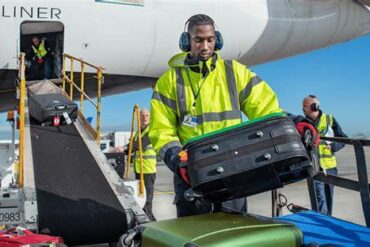
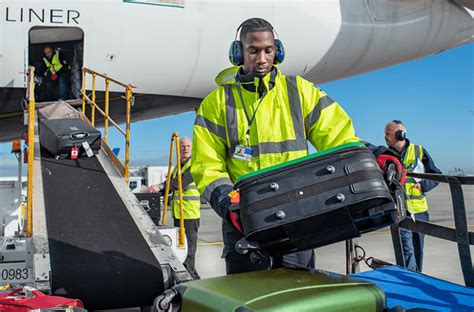
- Ramp agents and baggage handlers
- Customer service representatives
- Operations control specialists
- Aircraft maintenance technicians
Each of these roles contributes to the safe, efficient, and enjoyable operation of airline services. They also reflect the multi-disciplinary nature of the aviation job market, where skills in logistics, technology, people management, and mechanical maintenance intersect.
Resume and Application Strategy
Given the competitive nature of aviation hiring, applicants are encouraged to:
- Highlight any aviation-related certifications or OSHA compliance experience
- Emphasize physical endurance and prior sanitation roles
- Provide details on team coordination, safety training, and shift flexibility
- Submit a tailored resume aligned with the job posting’s language
Using platforms like Indeed or directly applying through employer websites like PrimeFlight ensures quicker visibility to recruiters.
Conclusion: A Career Above the Ground, Rooted in Purpose
Though US Airways is no longer an independent brand, its employment ethos lives on in every aircraft crew that takes cleanliness, safety, and reliability seriously. For individuals seeking meaningful work in a bustling, high-stakes industry, roles like Aircraft Cleaner and aviation support staff offer stability, purpose, and progression.
These jobs may begin with gloves and scrub brushes, but they often evolve into leadership, regulation compliance, or aircraft operations roles. As airports become smarter and cleaner, these frontline heroes are increasingly recognized not just for their cleanliness—but for keeping the wheels of aviation turning safely every day.