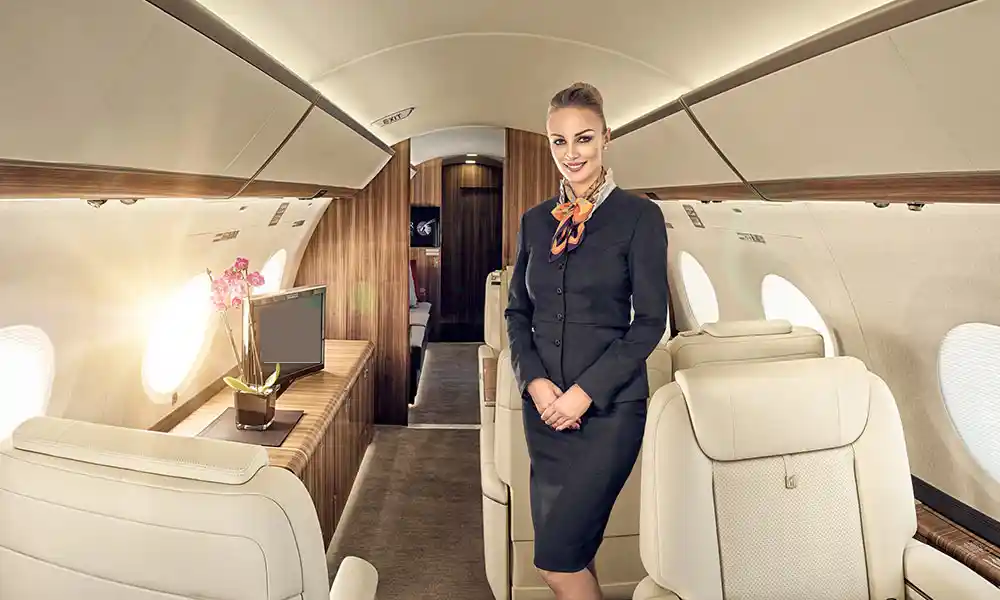
The world of private aviation has long been associated with luxury, exclusivity, and extraordinary service. While private jet pilots often receive significant attention for their earnings and responsibilities, another profession has quietly emerged as one of the most desirable positions in aviation: the long-haul private jet flight attendant. In 2026, these highly specialized cabin professionals are earning salaries that frequently surpass those of many airline counterparts, reflecting the premium service standards expected by wealthy individuals, corporate executives, celebrities, and government officials.
Unlike commercial aviation, where flight attendants are legally required on most passenger aircraft, private aviation regulations generally do not mandate cabin attendants onboard business jets. Large long-range aircraft require qualified pilots, but the presence of a flight attendant is usually optional. Nevertheless, many operators choose to employ cabin crew because clients spending tens of thousands of dollars on a single flight expect a service experience that rivals five-star hotels and fine-dining establishments.
The result is a niche career field where competition is intense, expectations are exceptionally high, and compensation can be remarkably lucrative.
Private jet flight attendants serving on long-range aircraft are often responsible for flights lasting eight, ten, or even fifteen hours. These missions frequently connect major global business centers such as New York, London, Dubai, Singapore, Hong Kong, Los Angeles, and Tokyo. Because passengers are paying for privacy and personalization, every aspect of the journey is tailored to individual preferences.
Unlike commercial airline crews who may serve hundreds of travelers during a single flight, private aviation cabin attendants often care for only a handful of guests. However, the level of attention required is significantly greater. Every meal, beverage, cabin setup, and service detail must be carefully planned before departure.
For this reason, employers are willing to pay a premium for professionals capable of delivering flawless service while maintaining discretion and professionalism.
How Much Do Long-Haul Private Jet Flight Attendants Earn in 2026?
Compensation for private jet flight attendants varies considerably depending on the operator, aircraft type, client profile, and geographic location. In 2026, annual earnings generally range between $40,000 and well above $100,000, with elite positions reaching substantially higher figures.
Entry-level candidates who transition from regional airlines or hospitality backgrounds often begin at the lower end of the scale. However, experienced professionals with strong service records, international experience, and specialized training can quickly move into six-figure territory.
The highest-paying positions are often found within executive corporate fleets, ultra-high-net-worth family flight departments, and premium charter operators. These organizations expect exceptional standards but reward employees accordingly.
One of the most widely discussed examples in recent years came when Netflix advertised a flight attendant position for its executive aircraft operation with compensation reaching up to $385,000 annually. While such opportunities remain extraordinarily rare, the posting demonstrated how valuable elite cabin professionals can become when serving high-profile clients who demand perfection.
For most flight attendants, reaching those levels of compensation requires years of experience, extensive networking, and a proven ability to manage complex international operations.
Why Private Aviation Pays More Than Many Airline Jobs
At first glance, serving fewer passengers may appear less demanding than working on a commercial airliner. In reality, private aviation often requires a broader and more sophisticated skill set.
Commercial airline flight attendants operate within highly standardized procedures. Service routines are designed for efficiency, consistency, and compliance across large passenger volumes.
Private aviation follows a completely different philosophy.
Every client may have unique expectations regarding meals, beverages, cabin arrangements, and personal preferences. Cabin attendants must often coordinate catering, source specialty products, arrange ground transportation, prepare sleeping areas, and ensure seamless service throughout an entire journey.
Many employers specifically seek candidates with experience in luxury hospitality environments such as:
- Five-star hotels
- Fine-dining restaurants
- Luxury resorts
- Executive concierge services
- Premium airline cabins
These additional skills increase the value of cabin attendants and contribute directly to higher compensation packages.
The Different Ways Private Jet Flight Attendants Are Paid
Unlike commercial airlines, which typically follow standardized union agreements, private aviation operators use a variety of compensation structures.
Some companies adopt an airline-style hourly system where attendants are compensated primarily during flight operations. Others provide daily rates, monthly retainers, or fixed annual salaries.
The chosen structure often depends on the employer’s operational model.
Hourly compensation is particularly common among charter and fractional ownership providers. Under this system, crew members are paid based on aircraft movement time. While some attendants appreciate the flexibility, others prefer salary arrangements that provide more predictable income.
Daily-rate systems are also popular, especially among operators requiring attendants to remain available throughout extended trips. Under this arrangement, compensation is tied to workdays rather than flight hours.
Corporate flight departments and private owners frequently favor annual salary models. These positions may offer stability, premium benefits, and long-term relationships with a small group of passengers.
Regardless of compensation structure, many employers also provide valuable benefits such as healthcare coverage, retirement contributions, paid training, uniforms, travel expenses, and accommodation during assignments.

Service Expectations at the Highest Level
The responsibilities of long-haul private jet flight attendants extend far beyond serving meals and beverages.
In many cases, they function as a combination of hospitality specialist, concierge, cabin manager, logistics coordinator, and brand ambassador.
Prior to departure, attendants frequently spend hours preparing the aircraft. Catering orders must be verified, galley supplies organized, and passenger preferences reviewed. Some clients maintain detailed profiles specifying favorite wines, dietary restrictions, preferred cabin temperatures, and even specific brands of bottled water.
Once passengers arrive, service execution becomes highly personalized.
A flight attendant may prepare gourmet meals, coordinate wine pairings, arrange sleeping accommodations, assist with pets, manage business meeting requirements, or support family travel needs.
Operators such as NetJets and VistaJet have established reputations for delivering exceptionally refined onboard experiences, requiring cabin crew members to undergo extensive hospitality and service training.
The ability to anticipate needs before passengers request assistance often distinguishes top-performing attendants from average performers.
Long-Haul Aircraft Create Unique Opportunities
The most lucrative private aviation positions are often associated with ultra-long-range business jets capable of connecting continents without refueling stops.
These aircraft support missions that can last more than fourteen hours and often carry some of the world’s most influential travelers.
Among the leading aircraft commonly used for long-haul private operations are:
- Gulfstream G800
- Bombardier Global 8000
- Gulfstream G700
- Bombardier Global 7500
- Dassault Falcon 10X
- Gulfstream G650ER
- Dassault Falcon 8X
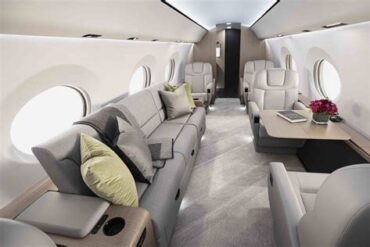
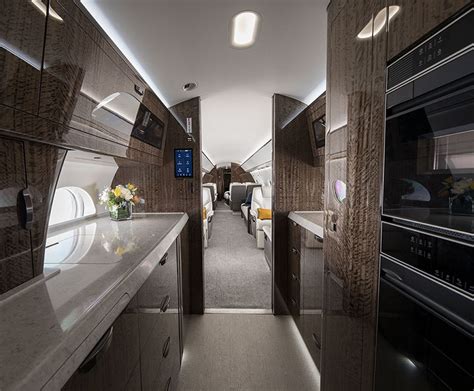
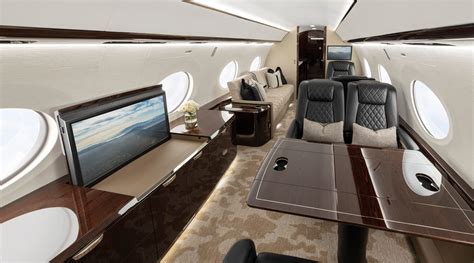
These aircraft feature spacious cabins, dedicated galleys, sleeping accommodations, and advanced connectivity systems. Such amenities allow flight attendants to deliver experiences that more closely resemble luxury hotels than traditional airline cabins.
The complexity of these operations contributes directly to higher compensation levels.
Seniority and Career Progression in Private Aviation
One major difference between commercial airlines and private aviation involves career progression.
At large airlines, nearly every aspect of a flight attendant’s career revolves around seniority. Pay rates, schedules, base assignments, vacation choices, and aircraft eligibility are often determined by date of hire.
Private aviation is less standardized.
Large charter and fractional operators frequently maintain seniority systems similar to airlines. However, many corporate flight departments and privately owned aircraft employ only one or two flight attendants, making advancement opportunities more limited.
Career growth often occurs through movement between employers rather than promotion within a single organization.
Experienced attendants may begin at charter operators before advancing to corporate fleets or private owners offering superior compensation and lifestyle benefits.
Professional reputation becomes a critical asset. Recommendations from pilots, managers, and previous employers frequently influence future hiring decisions more than formal seniority rankings.
The Lifestyle Behind the Glamour
The profession’s glamorous image is well deserved in some respects. Private jet flight attendants regularly visit international destinations, stay in luxury hotels, and interact with influential individuals.
Yet the reality can also be demanding.
Schedules are often unpredictable. Many cabin attendants remain on call for extended periods and may receive short-notice assignments requiring immediate travel.
International trips can involve multiple time zones, irregular sleep patterns, and long duty periods. Cabin preparation, post-flight cleaning, and logistical coordination frequently occur outside actual flight hours.
The expectation of flawless service adds another layer of pressure.
Passengers paying premium rates expect perfection, and there is little room for mistakes. Cabin attendants must maintain composure under pressure while consistently delivering exceptional experiences.
Despite these challenges, many professionals find the rewards worthwhile because the work is varied, intellectually engaging, and financially attractive.

Skills That Command the Highest Salaries
In 2026, the most sought-after private jet flight attendants possess far more than basic aviation experience.
Employers increasingly prioritize candidates who combine aviation expertise with luxury hospitality knowledge.
Highly valued skills include:
- Fine-dining service techniques
- Wine and champagne expertise
- International etiquette
- Culinary presentation
- Multilingual communication
- VIP client management
- Cabin management certification
- Emergency medical training
- Global travel experience
Discretion is perhaps the most valuable attribute of all.
Many passengers conduct sensitive business discussions during flights. Others include celebrities, political leaders, and high-profile entrepreneurs. Flight attendants who consistently demonstrate professionalism and confidentiality become highly desirable employees.
This reputation often translates directly into higher salaries and stronger career opportunities.
Comparing Private Aviation and Commercial Airline Careers
For flight attendants evaluating career options, both commercial aviation and private aviation offer distinct advantages.
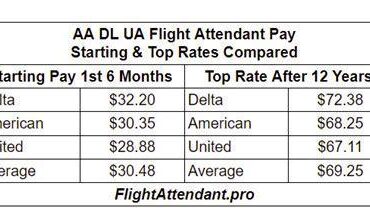
Commercial airlines provide structured advancement pathways, strong union protections, predictable pay scales, and extensive route networks. Experienced attendants at major carriers can earn impressive incomes while enjoying seniority-based scheduling flexibility.
Private aviation offers a different proposition.
Compensation can exceed airline earnings, particularly for professionals serving elite clients. Service standards are elevated, passenger loads are smaller, and work environments are generally more personalized.
However, private aviation positions are significantly rarer and often require greater flexibility. Work-life balance may be less predictable, particularly when serving private owners or small corporate flight departments.
Ultimately, career preferences often depend on whether an individual values stability and structure or exclusivity and earning potential.
The Outlook for Private Jet Flight Attendant Salaries Beyond 2026
The private aviation industry continues to benefit from sustained demand among high-net-worth travelers, corporate executives, and individuals seeking flexibility unavailable through commercial airlines.
As new long-range aircraft enter service and operators expand premium offerings, demand for highly trained cabin professionals is expected to remain strong.
The increasing emphasis on luxury experiences, personalized service, and international travel suggests that experienced private jet flight attendants will continue commanding premium compensation packages.
For aviation professionals willing to master hospitality, maintain exceptional standards, and embrace an unconventional lifestyle, long-haul private jet cabin service remains one of the industry’s most fascinating and potentially lucrative career paths.
In 2026, the profession stands as a unique blend of aviation expertise and luxury hospitality, offering opportunities that few other roles in the travel sector can match. While only a select number of individuals secure these coveted positions, those who do often discover a career that combines global travel, elite service, and earning potential far beyond what many people associate with the traditional flight attendant profession.