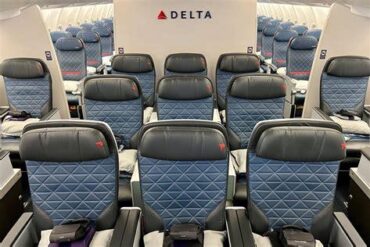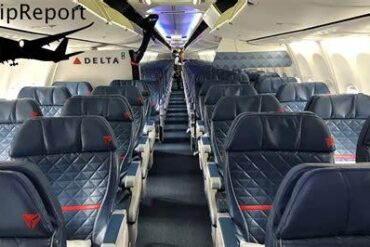
Delta Air Lines is preparing to introduce a notably premium-heavy Boeing 737 MAX 10 cabin, with the aircraft expected to feature 24 First Class seats. The configuration underscores a major shift in how airlines are using narrowbody aircraft: rather than maximizing the number of standard economy seats, Delta is allocating more cabin space to travelers willing to pay higher fares.
The planned layout reflects Delta’s broader strategy of expanding premium seating throughout its fleet. As demand for higher-value domestic travel remains important to the airline’s financial model, the MAX 10 will give Delta another platform for selling First Class and Comfort+ products while simultaneously adding capacity to its network.
Delta Expands the Boeing 737 MAX 10 First Class Cabin
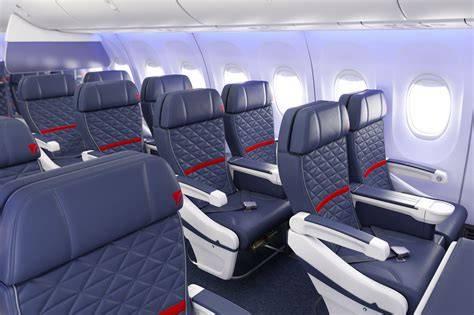
Delta’s latest plan calls for 24 First Class seats, an increase from the 20 First Class seats included in an earlier 2022 configuration. That previous layout was designed around 182 seats, including 20 First Class seats, 33 Comfort+ seats, and 129 Main Cabin seats.
The revised First Class allocation is significant because every premium seat occupies space that could otherwise accommodate a standard economy passenger. Delta is therefore making a deliberate calculation that a larger number of premium seats can produce greater revenue than a higher-density configuration.
For travelers, the result will be a narrowbody aircraft with a surprisingly substantial forward cabin. Twenty-four First Class seats represent a meaningful share of the aircraft, particularly when combined with Comfort+ and the Main Cabin. The MAX 10 will consequently be positioned less as a simple capacity machine and more as a multi-tier revenue platform.
Nearly One-Third of the Cabin Will Be Premium
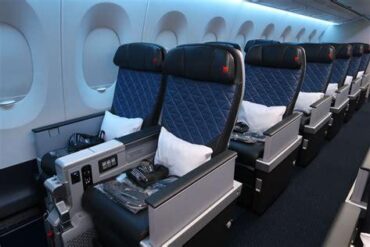
First Class is only one component of Delta’s premium strategy. The airline also plans to devote considerable space to Comfort+, creating several distinct fare and seating opportunities within the same aircraft.
Delta’s published information indicates that nearly one-third of the MAX 10’s seats will belong to premium categories. That is an important figure for a single-aisle aircraft, where cabin space is limited and every additional premium row directly affects the number of Main Cabin seats available.
The strategy follows a broader trend among major U.S. airlines. Premium seating has increasingly become a central source of revenue rather than simply an added passenger amenity. Airlines can increase the value generated by each flight without necessarily increasing aircraft size, particularly on routes with strong business demand.
Delta has been particularly aggressive in pursuing this approach. A 737 MAX 10 with 24 First Class seats allows the airline to target business travelers and other premium customers while still maintaining enough Main Cabin capacity for price-sensitive passengers.
Why Delta Needs the MAX 10
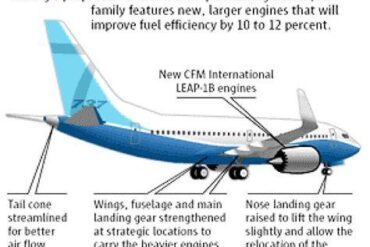
The MAX 10 is also important because Delta intends to use it as part of its fleet modernization and efficient growth strategy. The aircraft is larger than some of the older narrowbodies it is expected to replace, allowing Delta to add capacity without automatically moving to a widebody aircraft.
That flexibility could make the MAX 10 valuable across a broad range of domestic markets. On business-heavy routes, the 24-seat First Class cabin can provide substantial premium inventory. On leisure-oriented routes, the aircraft can combine Comfort+, Main Cabin capacity, and First Class seats to serve several customer segments simultaneously.

The aircraft will also bring modern passenger features designed to support Delta’s overall onboard product. Expected amenities include seatback entertainment, power outlets, satellite Wi-Fi, and Delta Studio entertainment, giving the MAX 10 a cabin experience consistent with the airline’s wider product strategy.
Deliveries Are Expected Later This Decade
Delta’s MAX 10 deliveries have been pushed toward the latter part of the decade as Boeing continues work surrounding the aircraft’s certification. Current fleet planning points to deliveries beginning in 2027, making the aircraft an important component of Delta’s future narrowbody fleet.
Once the MAX 10 enters service, its premium-heavy configuration should give Delta considerable flexibility. The airline can deploy the aircraft on routes where First Class demand is strong while retaining enough economy seating to support broader passenger volumes.
The 24-seat First Class cabin therefore represents more than an upgrade to passenger comfort. It illustrates Delta’s changing approach to narrowbody economics. By increasing premium inventory while adding efficient capacity, the airline is attempting to make each departure generate more revenue from high-value travelers.
A New Model for Premium Narrowbody Growth
Delta’s Boeing 737 MAX 10 strategy demonstrates how dramatically the role of the narrowbody aircraft is evolving. The traditional objective was straightforward: carry as many passengers as efficiently as possible. Today, airlines are increasingly focused on how much revenue each seat can generate, not simply how many seats an aircraft contains.
With 24 First Class seats and a substantial Comfort+ section, Delta’s MAX 10 will embody that philosophy. The aircraft should provide additional capacity while giving Delta more opportunities to sell premium products on flights that might otherwise rely heavily on economy fares.
For Delta, that makes the MAX 10 particularly valuable. It is not merely a replacement aircraft or another addition to the fleet. Its cabin configuration reflects a wider commercial strategy in which premium demand, efficient growth, and flexible narrowbody capacity increasingly work together.