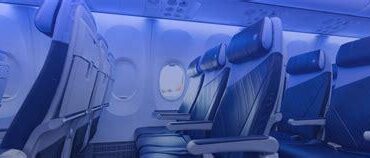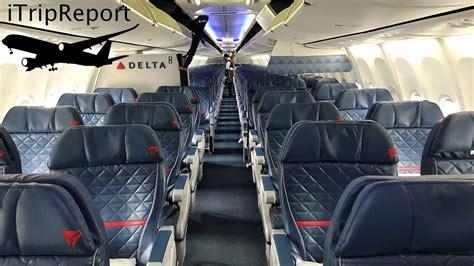
Delta Air Lines operates one of the largest and most complex Boeing 737 fleets in the United States. By 2026, the aircraft has become the backbone of the airline’s domestic operations, carrying passengers between major hubs like Atlanta, Seattle, Minneapolis, and New York as well as smaller regional markets. With thousands of daily departures across North America, the Boeing 737-800 and Boeing 737-900ER handle flights that range from quick one-hour hops to cross-country journeys that stretch close to six hours.
Despite being a narrowbody aircraft, the experience on Delta’s 737 fleet can vary dramatically depending on the seat selected. A passenger seated in the right row may enjoy exceptional legroom, unobstructed windows, and quiet surroundings, while another traveler only a few rows away could face limited recline, misaligned windows, or colder cabin temperatures. Because of these differences, choosing the right seat has become one of the most important decisions passengers make before boarding.
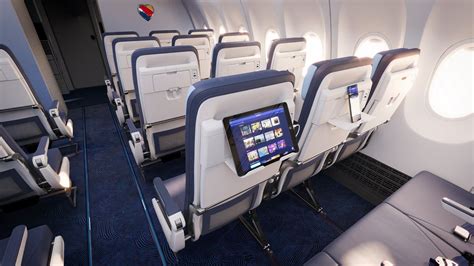
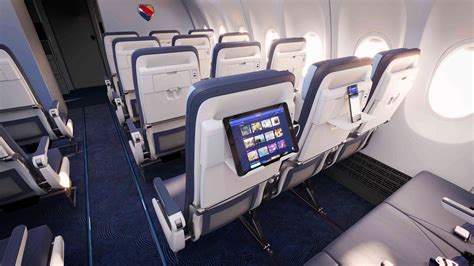
Delta’s continued cabin refresh programs have introduced modern seatback screens, high-speed Wi-Fi, and improved interior lighting, but they have also brought slimline seating that prioritizes space efficiency. While the technology has improved the onboard experience, these thinner seats can feel firmer during longer flights. As a result, passengers increasingly prioritize rows with extra pitch or strategic cabin placement to ensure comfort throughout the journey.
The complexity increases further when considering that the Boeing 737-900ER fleet features multiple seating layouts, each with different cabin sizes and row numbering. Understanding these variations is essential for travelers hoping to secure the best seat available. In some configurations, exit rows provide near-premium levels of legroom, while in others, the most desirable spot may actually be located in a bulkhead row closer to the front of the aircraft.
Ultimately, selecting the best seat on Delta’s 737 aircraft requires more than simply choosing a window or aisle. It involves understanding how the aircraft is configured, identifying rows that maximize space, and avoiding known problem areas that could compromise comfort. For travelers willing to spend a few minutes reviewing the seat map, the reward can be a significantly more enjoyable flight.
Understanding Delta’s Boeing 737 Fleet In 2026
Delta’s Boeing 737 fleet in 2026 is primarily composed of two main variants: the Boeing 737-800 and the Boeing 737-900ER. Although both aircraft share a similar fuselage and overall passenger experience, their internal layouts differ in ways that can significantly influence seating quality.
The 737-800 represents the most consistent configuration across the fleet. These aircraft typically feature a 16-seat first class cabin, followed by 36 seats in Delta Comfort+ and 108 seats in the main cabin, resulting in a total capacity of approximately 160 passengers. Because these aircraft have undergone extensive interior upgrades over the past decade, they generally offer a reliable product with seatback entertainment screens, power outlets, and refreshed cabin finishes.
The 737-900ER, however, is a more complicated story. Delta operates multiple configurations of this stretched variant, partly due to aircraft acquired from other airlines. While the most common layout includes 20 first class seats and 21 Comfort+ seats, several second-hand aircraft feature smaller premium cabins and significantly different seating arrangements.
These layout differences mean that the exact row numbers of the best seats may change depending on the aircraft assigned to the flight. On one aircraft, the most desirable exit row could be row 21, while on another configuration it might be positioned several rows earlier or later. For frequent flyers and savvy travelers, verifying the aircraft type through the Delta app before check-in has become an essential step.
Despite the differences between variants, certain patterns remain consistent across the fleet. Seats located closer to the front of the aircraft generally provide quieter cabins, faster boarding, and quicker disembarkation, while rows near the wings often experience slightly more engine noise. Exit rows consistently provide the greatest legroom, making them highly desirable for taller passengers or those traveling on longer routes.
Best First Class Seats On Delta’s Boeing 737
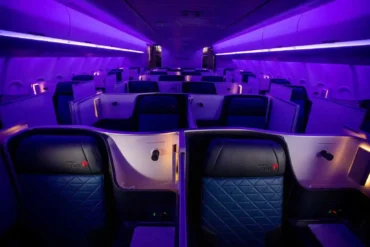
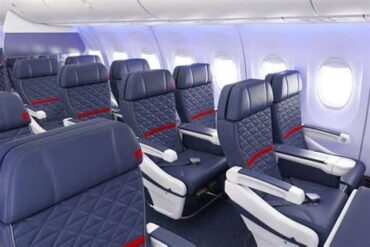
First class on Delta’s Boeing 737 aircraft offers some of the most comfortable domestic seating available on narrowbody aircraft in the United States. With seat pitch typically ranging from 37 to 39 inches, the cabin provides generous legroom compared with the main cabin, along with wider seats and enhanced service.
The best seat in this cabin is almost always Row 1, the bulkhead row at the very front of the aircraft. These seats come with several advantages that make them particularly appealing for travelers on longer routes. Because there are no seats in front, passengers never need to worry about someone reclining into their personal space. The unobstructed legroom also creates a greater sense of openness compared with rows further back.
Another advantage of sitting in the first row is proximity to the galley and exit door, which allows passengers to disembark faster upon arrival. For travelers catching tight connections at busy hubs like Atlanta or Detroit, being among the first off the aircraft can make a significant difference.
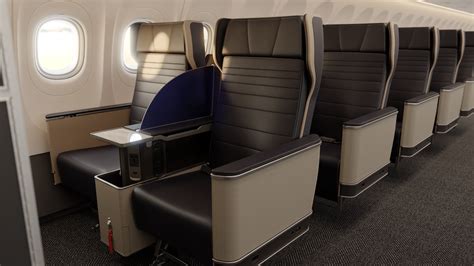
However, the bulkhead row does come with a minor trade-off. Since there is no seat in front, under-seat storage is unavailable during taxi, takeoff, and landing. Carry-on items must be placed in the overhead bins until the aircraft reaches cruising altitude. While this is a small inconvenience, most frequent flyers consider the additional legroom well worth the compromise.
On certain ex-Lion Air 737-900ER aircraft, the first class experience becomes even more impressive. These aircraft feature up to 45 inches of seat pitch, which is extraordinarily spacious for a domestic narrowbody aircraft. For tall travelers or those seeking maximum comfort on transcontinental routes, these planes arguably offer the best domestic first class seating in Delta’s narrowbody fleet.
The Sweet Spot In Delta Comfort+
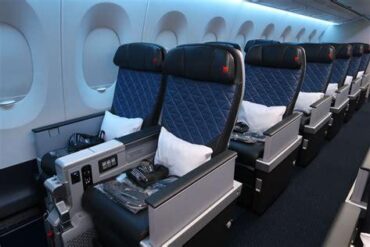
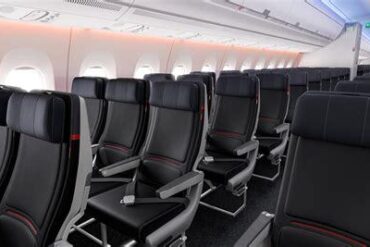
Delta Comfort+ serves as Delta’s premium economy product for domestic routes, offering extra legroom, priority boarding, and dedicated overhead bin space. On Boeing 737 aircraft, the seat pitch typically increases to around 34 inches, providing a noticeable improvement over standard economy seating.
The best seats in this cabin are usually located in the first few rows of the Comfort+ section, particularly those that are positioned just behind the first class cabin. These seats benefit from a quieter environment and quicker access to the front of the aircraft, while still offering the additional legroom that defines the Comfort+ experience.
For travelers who value extra space but prefer avoiding the bulkhead limitations, choosing a non-bulkhead Comfort+ seat is often the ideal balance. These rows provide the enhanced legroom without sacrificing the ability to store personal items under the seat in front.
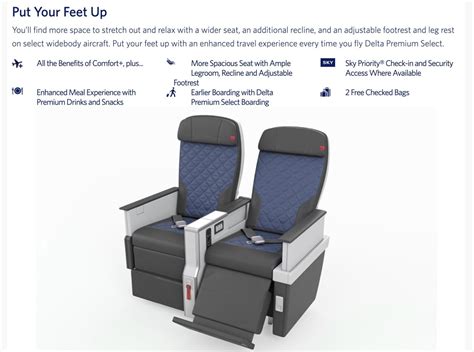
In certain configurations, the bulkhead row within Comfort+ can feel slightly restrictive. The fixed armrests and solid partition wall can make the seating area appear narrower, and passengers must again store carry-on items overhead during takeoff and landing. Nevertheless, these seats remain popular because they prevent anyone from reclining into the passenger’s space.
Because the Comfort+ cabin size varies widely across the 737-900ER fleet, the number of desirable seats can differ significantly from flight to flight. On some aircraft there may be three rows of Comfort+ seating, while on others there could be only a single row available. This variability makes early seat selection particularly valuable for travelers hoping to secure one of these upgraded positions.
Exit Row Advantages In The Main Cabin
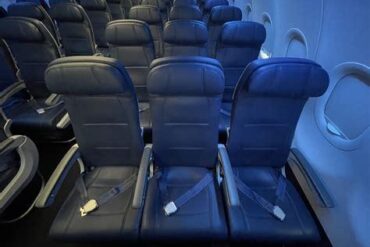
For passengers traveling in the main cabin, the best seats are almost always located in the over-wing exit rows. These rows offer dramatically increased legroom compared with standard economy seating, sometimes rivaling the space available in premium cabins.
On the Boeing 737-800, experienced travelers frequently target rows 19 and 20, which sit adjacent to the emergency exit doors. These seats allow passengers to stretch their legs comfortably and even stand up briefly without disturbing neighboring passengers. For taller travelers, this additional space can transform the experience of a five-hour flight.
The 737-900ER also offers excellent exit row seating, particularly around row 21 in the standard configuration. This row benefits from the positioning of the mid-cabin exit door, which creates a large open area in front of the seats. Passengers seated here often find they can enter or exit the row without requiring others to stand up.
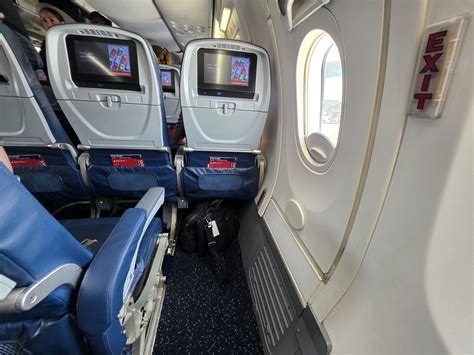
These seats are particularly valuable on transcontinental flights between the East Coast and West Coast, where travel times approach six hours. Having the ability to stretch out, adjust posture, and move slightly within the seat area greatly improves comfort during longer journeys.
However, exit row seating also comes with certain requirements. Passengers must be willing and able to assist in the event of an emergency evacuation, which means these seats are not available to travelers with certain mobility limitations or those traveling with small children. Despite these restrictions, exit rows remain among the most sought-after seats on the aircraft.
Seats To Avoid On Delta’s 737 Fleet
While many seats on Delta’s Boeing 737 aircraft offer a pleasant flying experience, a few rows have developed reputations among frequent flyers for less desirable characteristics.
One of the most commonly cited problem areas is Row 15 on the left side of the aircraft. Due to the placement of air-conditioning ducting within the fuselage, seats such as 15A often lack a properly aligned window. Instead of enjoying an outside view, passengers may find themselves staring directly at a section of interior wall paneling.
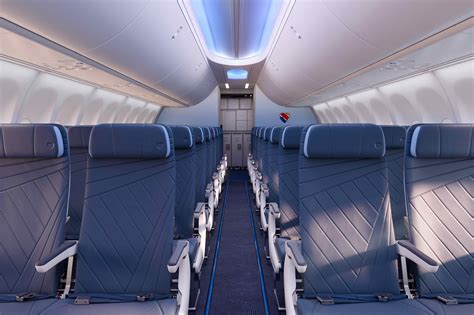
Another seat group to approach cautiously is Row 20 on the 737-900ER. This row is typically positioned directly in front of an exit row, which means the seats often cannot recline. While the legroom may appear normal at first glance, the inability to adjust the seatback can make longer flights noticeably less comfortable.
Passengers should also be aware that certain second-hand 737-900ER aircraft still lack seatback entertainment screens and power outlets. On these planes, travelers rely entirely on personal devices for entertainment and may need to manage battery usage carefully, especially during longer journeys.
The Importance Of Monitoring Aircraft Changes
One of the most overlooked aspects of seat selection is the possibility of last-minute aircraft swaps. Airlines frequently adjust aircraft assignments due to operational requirements, maintenance needs, or scheduling changes. When this happens, the seat map can change dramatically.
For example, a passenger who carefully selected an exit row seat on a standard 737-900ER configuration may suddenly find themselves reassigned to a regular economy seat if the aircraft is replaced with a higher-density variant. These changes can occur hours or even minutes before departure.
The most effective way to manage this uncertainty is by monitoring the Delta app for seat change notifications. Keeping alerts enabled ensures passengers receive immediate updates if the aircraft type changes, allowing them to quickly review the new seat map and select the best available alternative.
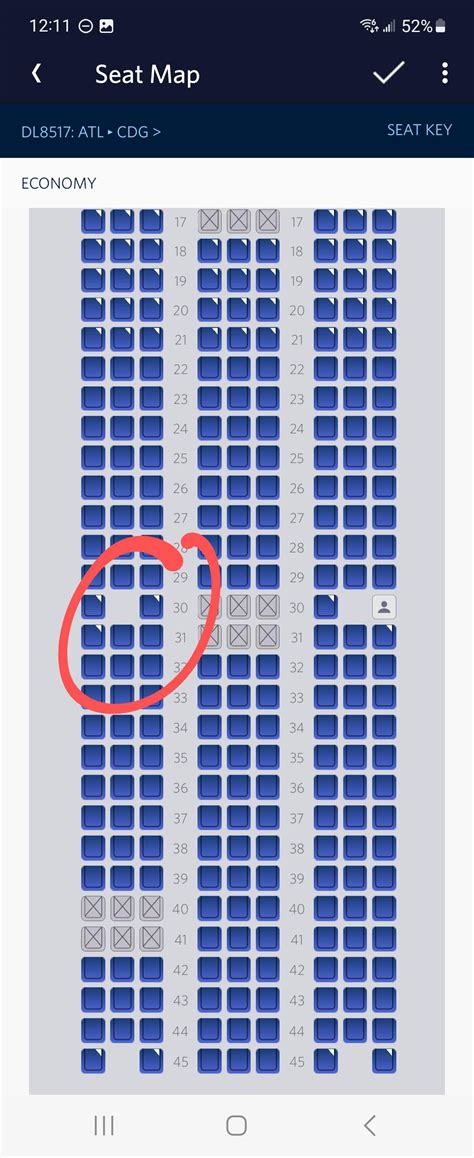
Frequent travelers often check the seat map multiple times in the days leading up to departure, particularly when flying routes known for equipment changes. While this may seem excessive, it can make the difference between enjoying a spacious exit row and spending hours confined to a middle seat.
Why The Boeing 737-800 Remains The Most Reliable Option
Among all the aircraft configurations within Delta’s 737 fleet, the Boeing 737-800 consistently delivers the most predictable passenger experience. These aircraft have undergone extensive cabin modernization programs, ensuring that nearly every seat includes seatback entertainment screens, USB ports, and power outlets.
Because the layout remains relatively uniform across the fleet, passengers also find it easier to identify and secure desirable seats. Exit rows, Comfort+ sections, and bulkhead positions are generally located in similar areas on every aircraft, reducing the uncertainty that sometimes accompanies flights on the 737-900ER.
For travelers connecting to long-haul international flights, this reliability can be especially valuable. Arriving at a major hub with a fully charged device, comfortable seating, and a predictable cabin environment helps ensure a smooth transition to the next stage of the journey.
Choosing The Perfect Seat In 2026
Selecting the best seat on Delta’s Boeing 737 in 2026 ultimately comes down to a combination of aircraft awareness and strategic seat selection. Understanding which aircraft variant is operating the flight, identifying rows with superior legroom, and avoiding known problem areas can significantly enhance the travel experience.
Passengers seeking the highest level of comfort should prioritize Row 1 in first class or exit row seating in the main cabin, while those booking Comfort+ should aim for rows positioned away from bulkheads whenever possible. At the same time, avoiding seats with misaligned windows or limited recline can prevent unnecessary discomfort.
Although Delta continues to standardize and upgrade its fleet, the current mix of configurations means that seat selection remains a critical part of travel planning. A quick review of the seat map before check-in can turn an ordinary flight into a far more comfortable journey.
For travelers who take the time to study their aircraft and choose wisely, the Boeing 737 remains a capable and surprisingly comfortable aircraft within Delta’s domestic network. The difference between a cramped experience and a relaxing flight often comes down to a single decision made before boarding: which seat to choose.