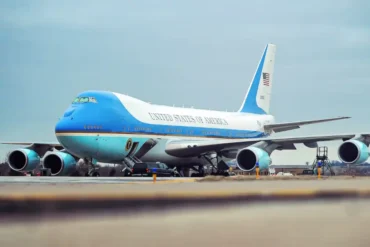
In 2026, the financial gap between military pilots and commercial airline pilots has become increasingly difficult to overlook. Both careers demand exceptional discipline, technical knowledge, and thousands of hours of training, yet the way pilots are paid could hardly be more different. Military aviators receive compensation determined largely by rank, years of service, allowances, and specialized incentives, while commercial pilots operate within airline contracts where seniority, aircraft type, and flight hours can dramatically increase earnings.
For aspiring pilots, the comparison is especially important because the two career paths involve very different financial trade-offs. A military pilot can receive heavily subsidized training, reliable government benefits, and a stable salary from the beginning of flight school. A civilian pilot, meanwhile, may spend years paying for training and building flight time before reaching an airline cockpit. Once that airline career matures, however, the earning potential can become substantially higher.
The headline numbers tell only part of the story. A senior commercial captain at a major U.S. airline can potentially earn well above $300,000 per year, with some experienced widebody captains reaching or exceeding the $400,000 level depending on contract terms, schedules, and additional compensation. Military pilots can also build strong total compensation packages, particularly when housing, subsistence, flight pay, and retention incentives are included, but their earnings remain tied to federal military compensation structures.
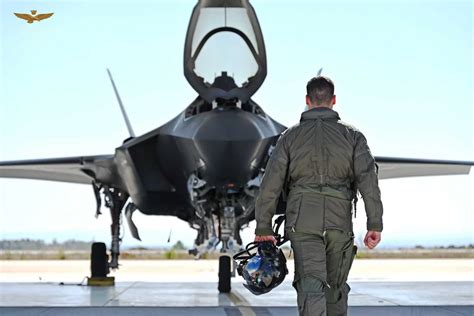
Military Pilot Salary in 2026
Military pilot compensation starts with the same foundation as other commissioned military officers: basic pay determined by rank and years of service. A newly commissioned officer therefore does not receive a special market-based salary simply because they are destined for the cockpit. Instead, aviation-related compensation is layered onto the officer’s regular military pay.
As pilots gain experience, they commonly progress through ranks such as first lieutenant, captain, major, and lieutenant colonel. Their basic pay increases with both promotion and longevity. This produces a relatively predictable compensation structure, but it also creates a ceiling that does not exist in the same form within commercial aviation.
A mid-career military pilot can potentially receive a total compensation package in the broad range of $110,000 to $170,000 annually, depending on rank, location, years of service, family circumstances, aviation incentives, and other benefits. Highly experienced officers can earn more, particularly when retention bonuses and allowances are included, but the system remains fundamentally government-controlled.
That distinction matters. A military organization does not raise a fighter pilot’s salary simply because an airline is willing to pay more for the pilot’s skills. Military compensation is established through federal legislation and policy. The pilot’s value in the commercial labor market does not automatically translate into a comparable military paycheck.
How Military Allowances Change the Real Paycheck
Looking only at basic military salary can make military aviation appear less financially attractive than it actually is. Service members may receive Basic Allowance for Housing (BAH) and Basic Allowance for Subsistence (BAS), depending on their circumstances. These benefits can substantially increase the practical value of military compensation.
Housing allowances are particularly important because they vary according to location, rank, and dependent status. A pilot stationed in an expensive metropolitan area can receive considerably more housing assistance than someone assigned to a lower-cost location. Because qualifying allowances can receive favorable tax treatment, their value cannot always be compared directly with ordinary taxable salary.
Military pilots may also receive aviation-related incentive pay and, in certain circumstances, retention bonuses. These programs exist partly because the military has invested enormous resources in producing qualified aviators and does not want experienced pilots leaving immediately after becoming highly proficient.
The financial picture therefore looks much stronger when viewed as a total compensation package rather than base salary alone. Healthcare, retirement benefits, paid leave, housing assistance, and other government benefits also have significant monetary value.
Commercial Pilot Salary in 2026
Commercial airline compensation follows a completely different model. Rather than receiving a government-set salary based primarily on rank, airline pilots are generally paid according to contractual hourly rates multiplied by credited flight time, with seniority playing a major role in determining aircraft assignments and compensation.
At a major U.S. airline, a first-year first officer can potentially earn more than $100,000, depending on the airline, contract, monthly credit, and applicable pay rates. The real acceleration comes later. As pilots accumulate seniority and move into captain positions, compensation can rise dramatically.
Experienced captains operating large narrowbody or widebody aircraft can reach $300,000 to $450,000 or more annually in strong compensation environments. The highest figures depend on numerous variables, including aircraft type, seniority, overtime, premium trips, international flying, and contract provisions.
This creates a fundamentally different earnings curve. A commercial pilot may struggle financially during training and the early years of professional flying, but the later stages can produce exceptionally high income. At a major carrier, decades of seniority can become one of the most valuable assets a pilot possesses.
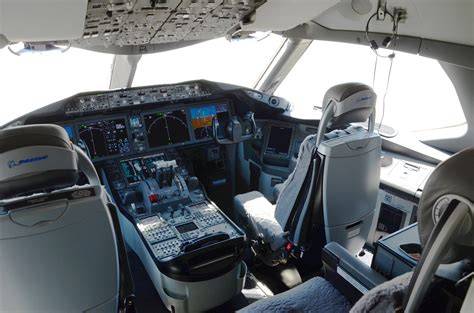
Why Airline Captains Can Earn So Much More
The biggest reason commercial pilots can eventually out-earn military pilots is seniority combined with market-driven compensation. Airlines compete for experienced pilots, and collective bargaining agreements can establish substantial increases as pilots progress through their careers.
Aircraft type is another major factor. A pilot flying a large international widebody may receive a substantially different pay rate from a pilot operating a smaller regional aircraft. Captains also command a premium because they carry greater operational responsibility and have reached the highest level of cockpit seniority.
Commercial airlines also use additional compensation mechanisms that can increase earnings beyond the basic hourly rate. Pilots may receive per diem payments during trips, premium pay for certain assignments, and additional compensation for working beyond normal schedules.
The result is an income structure in which a pilot’s earning potential can continue expanding long after the initial training period. The airline cockpit becomes more financially valuable as seniority accumulates.
The Training Cost Makes the Comparison Complicated
There is one area where military aviation has an enormous financial advantage: the cost of becoming a pilot.
Civilian pilots generally have to finance their own flight training. Reaching the professional level can require substantial spending on private pilot training, instrument ratings, commercial certificates, multi-engine qualifications, and thousands of hours of flight experience. For many aspiring airline pilots, the total investment can reach well into six figures.
Military pilots do not personally finance comparable advanced military flight training. The government invests heavily in producing qualified aviators, including training on sophisticated aircraft and operational systems. Student military pilots are also paid as officers while they progress through training.
That means the military pathway can be exceptionally attractive to someone who wants to become a professional pilot without assuming enormous aviation-school debt. The catch is that the training comes with a service obligation.
The Ten-Year Commitment Has a Financial Cost
Military flight training is not simply a free alternative to civilian aviation school. After completing undergraduate pilot training, military aviators incur a lengthy active-duty service commitment. For many pilots, that obligation extends roughly 10 years after completion of flight training.
This requirement changes the economic calculation considerably. A civilian pilot can theoretically pursue airline employment as soon as the necessary certificates and flight experience are obtained. A military pilot must first satisfy the service obligation before freely transitioning into civilian aviation.
The military is effectively investing in the pilot’s future earning power while also retaining that pilot’s services for a substantial period. During those years, the aviator gains leadership experience, advanced flight qualifications, operational discipline, and valuable flight hours.
The trade-off becomes particularly significant in a strong airline labor market. Every year spent completing a military commitment is also a year in which the pilot is not accumulating airline seniority. Since seniority is one of the most important financial assets in airline careers, timing can have a major long-term effect.
Military Bonuses Can Narrow the Gap
The military is well aware that experienced aviators are attractive to commercial airlines. As a result, retention incentives can become an important part of military pilot compensation.
Certain military aviation communities may qualify for aviator retention bonuses designed to persuade experienced pilots to remain in uniform. Depending on service, specialty, and eligibility, these incentives can add tens of thousands of dollars to annual compensation.
Some military aviation retention programs have also offered very substantial multi-year incentives for particularly valuable or hard-to-retain pilots. These payments can make staying in military aviation considerably more attractive, especially when combined with retirement benefits and other forms of compensation.
Even so, bonuses generally do not erase the long-term difference in earning potential. A commercial captain’s compensation can increase with seniority for decades, whereas military incentive programs are constrained by federal budgets, eligibility requirements, and statutory limits.
Military Retirement vs Airline Retirement
Retirement benefits add another dimension to the calculation. Military pilots who complete a qualifying career can receive access to a military retirement system, providing a valuable long-term financial benefit that should not be ignored when comparing salaries.
Commercial pilots have different retirement structures. Major airlines can provide substantial employer contributions to defined-contribution retirement plans, and high-earning pilots have the opportunity to accumulate significant retirement assets during long careers.
The crucial difference is timing and structure. A military career can provide an attractive retirement pathway after a relatively defined period of service, while an airline pilot’s largest earning years may continue well into the later stages of the career.
Therefore, the pilot who leaves the military for an airline is not necessarily abandoning financial security. In many cases, the move represents a transition from government-backed compensation and retirement benefits to higher market-based earning potential.

Why Military Pilots Move to Airlines
The migration from military aviation to commercial airlines is not driven by salary alone. Former military pilots bring experience that airlines value highly, including complex aircraft operations, crew resource management, leadership, decision-making under pressure, and experience in demanding operational environments.
Military aviators can also benefit from FAA pathways that recognize certain military flight experience. Qualified military pilots may pursue an Airline Transport Pilot certificate through military equivalency provisions, potentially reducing some of the civilian flight-hour barriers that traditional civilian pilots face.
Once hired by an airline, however, the former military pilot enters a new seniority system. Their military experience is valuable, but it does not automatically give them decades of airline seniority. They begin building their economic position within the carrier’s contractual structure from the point of airline employment.
Over time, that seniority can become extremely powerful. A pilot who remains at a major airline for decades can eventually bid for desirable aircraft, routes, schedules, and captain positions while earning compensation that would be difficult to match within most military pay structures.
Lifestyle Can Matter More Than Salary
Money is only one side of the decision. Military pilots face deployments, permanent changes of station, operational demands, administrative responsibilities, and the possibility of combat-related risk. Their professional lives are shaped by national defense requirements rather than personal scheduling preferences.
Commercial pilots also spend substantial time away from home, but seniority and collective bargaining agreements can provide significant scheduling control. Experienced pilots may have greater ability to select trips, days off, and preferred assignments.
Military aviation offers something commercial aviation cannot easily replicate: the opportunity to fly advanced tactical aircraft in missions directly connected to national defense. For many pilots, that sense of purpose and professional challenge carries genuine value.
The commercial cockpit offers a different form of freedom. Higher compensation, greater career predictability, and long-term schedule control can become increasingly attractive as pilots establish families and seek greater control over their personal lives.
Military Pilot vs Commercial Pilot Pay in 2026
The financial conclusion is fairly clear. Commercial airline pilots generally have the higher long-term earning potential in 2026, particularly after reaching captain positions at major carriers. Senior widebody captains can earn several times the compensation of many mid-career military pilots.
Military aviation nevertheless remains financially compelling for a different reason. The government pays for advanced training, provides a stable salary from the beginning, and supplies valuable benefits that civilian students must often finance themselves. Housing allowances, healthcare, retirement programs, and retention bonuses can substantially improve the overall package.
For someone choosing a career at the beginning, the better question is therefore not simply, “Who makes more?” It is when, how, and at what cost does each career generate its income?
Military aviation offers an unusually strong entry pathway with significant long-term benefits, but it places limits on earning potential and personal flexibility. Commercial aviation demands a much larger initial financial investment and often requires years of relatively modest earnings before the payoff arrives.
By 2026, the difference has become unmistakable: military pilots can build a valuable, secure career, while commercial pilots at major airlines can build an exceptionally lucrative one. For many military aviators, the commercial cockpit ultimately represents the opportunity to convert years of government-funded training and operational experience into substantially higher civilian earnings.