U.S. airline pilots have some of the most highly lucrative flying jobs in commercial aviation, but the paycheck attached to a cockpit seat depends on far more than the name painted on the aircraft. American Airlines, Delta Air Lines, and United Airlines remain among the most sought-after passenger carriers because their contracts provide high hourly rates, strong seniority progression, and access to large fleets. Yet FedEx Express and UPS Airlines occupy an unusual position. They are cargo operators, but their pilots can earn salaries that rival or exceed those at major passenger airlines, particularly when seniority provides earlier access to widebody captain positions.
The difference is not simply a matter of cargo pilots being paid more to fly at night or passenger pilots earning more for carrying people. Both groups are governed by contracts in which hourly pay, minimum guarantees, per diem, training compensation, premium flying, aircraft type, position, and seniority interact. A pilot looking only at the published hourly rate can therefore reach the wrong conclusion. A lower rate can produce a larger annual paycheck if the pilot reaches a lucrative aircraft and seat earlier or flies more productive trips.
How Airline Pilot Pay Is Actually Calculated
Most U.S. airline pilots are paid primarily according to credit hours or flight-related pay formulas, rather than receiving a conventional salary for every hour spent at work. Pilots can spend substantial time preparing an aircraft, waiting between sectors, sitting during a layover, or completing duties without receiving the same hourly compensation that applies to credited flying. Federal flight-time limits also constrain how much they can operate, with pilots generally limited to 100 flight hours in a month and 1,000 hours in a year.
That makes the published hourly rate an important starting point, but not a complete measure of income. A rough industry shortcut is to multiply an hourly rate by 1,000, although actual earnings can differ because pilots receive monthly minimum guarantees and additional compensation. A senior captain flying a productive schedule, receiving training pay, collecting per diem, and accepting premium trips can earn considerably more than the simple hourly-rate calculation suggests.
Passenger Airline Pilot Pay at American, Delta, and United
The major U.S. passenger airlines have transformed pilot compensation through the large contracts negotiated in recent years. At American Airlines, Delta Air Lines, and United Airlines, new-hire rates are generally around $120 per hour, although exact figures vary according to the contract, aircraft assignment, and position. Pay then rises through annual increases and, more importantly, through movement into higher-paying aircraft and captain positions.
The most dramatic earnings occur at the top of the seniority ladder. Widebody captains at the Big Three can approach $460 per hour, depending on the airline and aircraft. That figure illustrates why seniority is so valuable: the same pilot career can move from a relatively modest first-officer rate to several hundred dollars per credited hour as the pilot progresses into command of a large international aircraft.
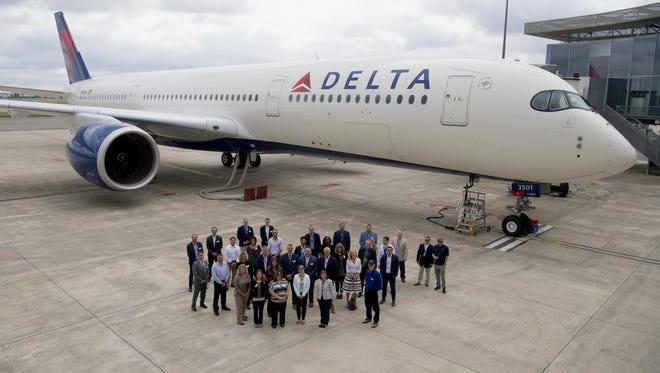
However, reaching the highest passenger-airline pay category can take a very long time. Widebody first-officer positions can become available after only several years for some pilots, but a widebody captain seat may require close to 30 years of seniority. Long-haul aircraft commonly carry more first officers than captains, creating substantially fewer widebody captain positions.
FedEx and UPS Pilot Pay in the Cargo Market
Cargo pilots have historically enjoyed compensation comparable to legacy passenger carriers, and there were periods when freight pilots could earn more. The landscape shifted after substantial pay increases secured by American, Delta, and United, but cargo flying remains financially attractive, particularly for pilots who value widebody access and international schedules.
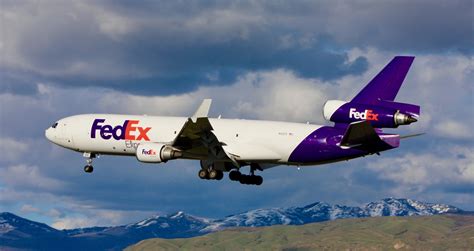
FedEx Express provides an important current example because its pilots ratified a new agreement in June 2026. Under that agreement, new-hire pilots receive roughly $113 per hour on narrowbody aircraft and $117 per hour on widebody aircraft. At the other end of the progression, widebody captains can approach $470 per hour, putting the top cargo rate slightly above the approximate maximum at the Big Three passenger airlines.
FedEx has a relatively simple aircraft-pay structure, with pilots divided into narrowbody and widebody groups. Widebodies also represent most of the carrier’s fleet. A new pilot can therefore gain access to aircraft such as the Airbus A300 or Boeing 767 much earlier than a comparable pilot might reach a premium widebody position at a major passenger airline.
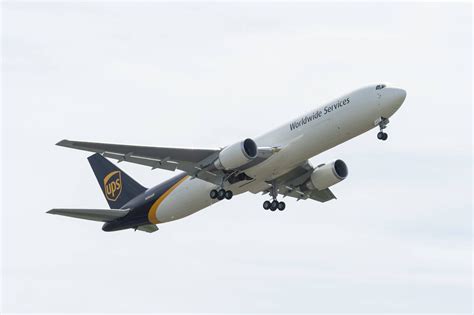
UPS Airlines presents a different picture in 2026. Its pilots are still working under an older agreement while negotiations continue, so its rates lag behind the newly improved FedEx contract and recent passenger-airline agreements. New-hire pilots start at just under $60 per hour, while the highest widebody captain rates exceed $400 per hour. The starting figure looks dramatically weaker, but long-term earning potential remains substantial once seniority and aircraft progression are considered.
Why Cargo Pilots Can Reach Widebody Pay Faster
The fleet structure of a cargo airline changes the economics of a pilot career. At the major passenger carriers, widebodies account for a minority of the mainline fleet. American has about 137 widebodies out of 1,034 aircraft, Delta approximately 179 out of 1,002, and United around 240 out of 1,140. That means roughly 13%, 18%, and 21% of their respective fleets are widebody aircraft.
FedEx and UPS are almost the reverse. FedEx operates about 287 widebodies among 369 aircraft, while UPS has approximately 202 widebodies among 277 aircraft. Widebodies therefore represent roughly 78% of FedEx’s fleet and 73% of UPS’s fleet. This is the crucial reason cargo careers can look more lucrative even when hourly rates are similar.
A newly hired cargo pilot may be assigned to a widebody fleet such as the A300 or 767 relatively early. At UPS, even the smaller 747 pilot group can become accessible within a few years for some pilots. The pilot is consequently moving through the highest-paying aircraft categories much earlier than the typical passenger-airline pilot waiting for a widebody captain opening.
Per Diem, Premium Trips, and Other Pilot Pay
The hourly rate is only one part of an airline pilot’s compensation. Per diem is another important component. It is generally paid for each hour a crew member is away from the home domicile while on a trip, including time spent flying and on layovers. Because per diem is normally treated differently for tax purposes than ordinary wages, it can meaningfully improve effective compensation.
At the passenger legacy carriers, domestic and international per diem rates differ, with figures ranging from just under $3 to about $3.50 per hour. FedEx’s new contract sets per diem at $2.85 per hour for domestic trips and $3.85 for international trips, with future increases built into the agreement. UPS rates are lower under its older contract.
Pilots can also earn additional money through training and premium trips. When an airline has an open assignment it needs covered, a pilot may select that trip for a premium payment, often around 150% of the normal rate. These opportunities can have a dramatic effect on annual income.
Consequently, senior pilots can move beyond $200,000 or $300,000 annually, while widebody captains can approach $500,000, particularly when premium flying and other compensation are added. These figures are not guaranteed salaries. They reflect seniority, aircraft, position, schedule, credited hours, and contract provisions.
Cargo Versus Passenger Pilot Schedules
The type of flying can also influence how attractive a job feels financially. Passenger pilots often have predictable trips built around daytime or overnight departures, depending on fleet and route network. Cargo pilots frequently operate during the night because freight networks are designed around hub waves and time-sensitive connections.
Which Airline Type Pays Pilots More?
There is no universal winner because the answer depends on the pilot’s career stage. For a new hire, the passenger Big Three can offer a stronger starting hourly rate than FedEx and a much stronger rate than the current UPS agreement. But cargo airlines can close that gap quickly because widebody aircraft are so much more prevalent in their fleets.
For a mid-career pilot, the distinction becomes more significant. A cargo pilot may already be operating a widebody while a passenger pilot with similar seniority could still be waiting for the right aircraft or captain vacancy. That difference can produce a large cumulative earnings advantage even when published hourly rates are nearly identical.
For senior pilots, both sectors can provide exceptional compensation. FedEx’s new agreement puts its widebody captain rate near $470 per hour, while the Big Three passenger carriers can reach roughly $460 per hour. UPS currently trails those figures but still offers more than $400 per hour for senior widebody captains. The real question is therefore not simply which company posts the highest number, but how quickly a pilot can reach that number and how many productive hours the schedule provides.
The Real Difference Between Cargo and Passenger Pilot Careers
The biggest difference in pilot pay between cargo and passenger airlines is ultimately career progression rather than headline hourly rates. Passenger airlines have enormous fleets and powerful contracts, but widebody aircraft form a relatively small percentage of their operation. Cargo airlines, meanwhile, build their businesses around large freighter fleets, giving pilots earlier and broader access to widebody flying.
That does not automatically make cargo flying the better career. Night operations, extended international trips, irregular schedules, and long periods away from home can be demanding. Passenger pilots may value different route structures, lifestyle patterns, and opportunities created by massive hub networks. Individual preferences therefore matter as much as the salary table.
For pilots focused primarily on lifetime earnings, however, the cargo model has a compelling advantage: high-paying widebody positions can arrive earlier. FedEx’s new contract demonstrates how competitive freight compensation remains, while UPS’s pending negotiations could reshape its position once a new agreement is reached. Meanwhile, American, Delta, and United have established some of the strongest passenger pilot pay in commercial aviation.
The result is a surprisingly close contest. Passenger airlines currently offer extraordinary pay, especially after the contract gains of recent years. Cargo airlines counter with a fleet structure that allows pilots to reach premium widebody positions faster. Once hourly rates, per diem, premium flying, guarantees, schedules, and seniority are considered together, the difference between flying people and packages becomes far more complicated than a simple salary comparison.