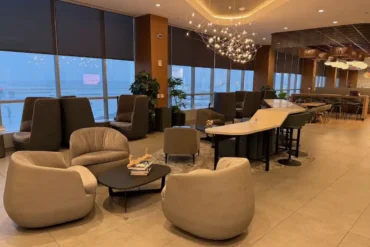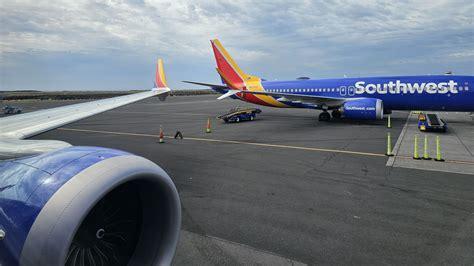
Southwest Airlines is making one of the most dramatic changes in its history, and a $53 million airport lounge at Nashville International Airport may be the clearest symbol of that transformation. The roughly 30,000-square-foot lounge is far removed from the stripped-down airport experience traditionally associated with Southwest, a carrier that spent decades building its reputation around simplicity, low fares, open seating, and a straightforward single-cabin product. Now, the airline is investing heavily in premium ground services even though it still does not have a conventional first-class cabin.
At first glance, the economics seem difficult to understand. American Airlines, Delta Air Lines, and United Airlines can use premium-cabin passengers as a natural customer base for their lounges, particularly travelers buying expensive domestic first-class or international business-class tickets. Southwest Airlines does not have that advantage. Its aircraft are not divided into traditional first-class and economy cabins, so there is no obvious pool of high-fare first-class passengers waiting to be transferred into a premium airport facility.
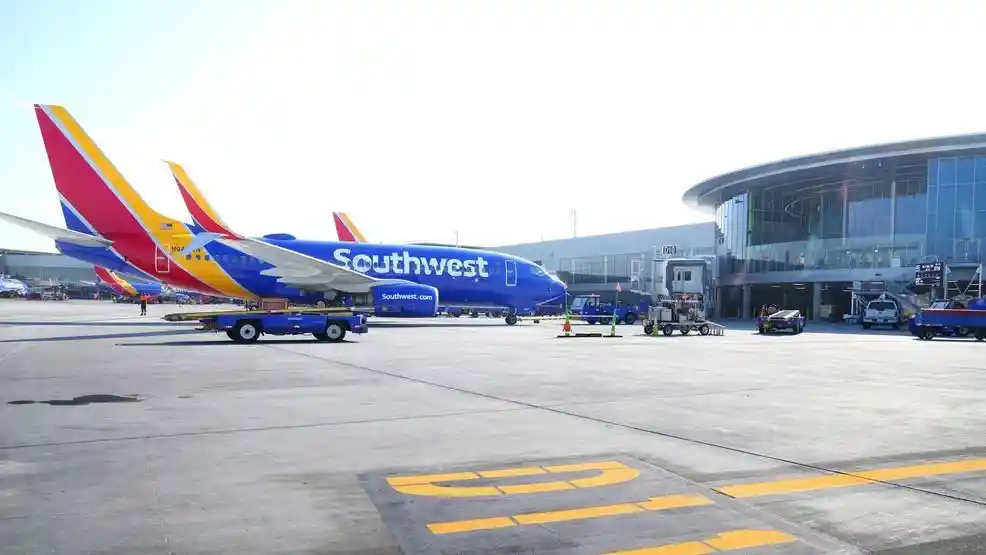
The answer lies in a much broader strategy. Rather than building lounges around a first-class cabin, Southwest Airlines is creating a premium ecosystem around customers who are willing to spend more at different points of the journey. Assigned seating, Extra Legroom seats, higher fares, loyalty benefits, premium credit cards, international partnerships, and airport lounges are being connected into a single commercial strategy. The Nashville project is therefore much more than an expensive room at an airport. It represents a fundamental attempt to change how Southwest earns money from its most valuable customers.
The $53 Million Nashville Lounge Is a Major Investment
The scale of the Nashville project immediately separates it from the small airport lounges that might otherwise be considered experimental. A facility measuring approximately 30,000 square feet requires substantial construction spending, but the financial commitment does not end when the doors open. A lounge of this size needs employees, food and beverage operations, cleaning, maintenance, security, technology, furnishings, utilities, and continuing capital investment.
That makes the reported $53 million construction and fit-out cost particularly significant. Southwest is not simply adding a few seats and complimentary snacks beside a gate. It is creating a large hospitality operation that has to deliver a premium experience consistently while generating enough value to justify its substantial cost. The lounge must therefore be connected to recurring revenue rather than treated as a traditional loyalty perk that is given away without a direct commercial purpose.
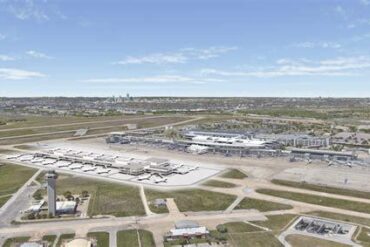
Nashville is also an unusually logical location for Southwest’s first major statement. Nashville International Airport (BNA) is one of the carrier’s strongest markets, and Southwest accounts for a majority of the airport’s passenger traffic. That gives the airline something many lounge operators would love to have: a huge existing customer base. Southwest does not need to convince travelers who have never heard of the airline to visit its lounge. Instead, it needs to persuade its own passengers that paying more for the airport experience is worthwhile.
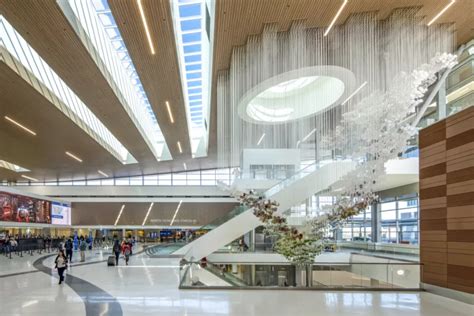
That distinction could prove important. A premium lounge is much easier to support when an airline already controls a significant share of local passenger traffic. Southwest can market the facility directly to customers who already fly from Nashville, hold Rapid Rewards accounts, purchase premium seats, or use Southwest-linked financial products. The lounge can consequently become another part of a relationship that already exists rather than a standalone business requiring an entirely new customer base.
Southwest Airlines Is Building Premium Value Without First Class
The most interesting aspect of the strategy is that Southwest Airlines does not need first class to create premium customers. The carrier has begun changing the structure of its aircraft product instead.
Assigned seating became operational on January 27, 2026, ending the open-seating model that had defined Southwest for 55 years. The change was commercially important because it gave the airline a much clearer mechanism for charging customers for different seating positions. Instead of every passenger receiving essentially the same seat-selection experience, Southwest can now separate its product into Standard, Preferred, and Extra Legroom seating.
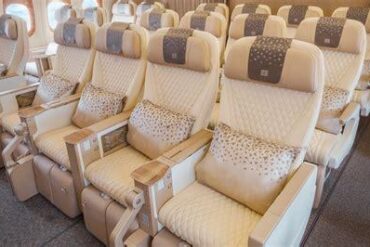
Extra Legroom is particularly important to the lounge strategy. On applicable aircraft, these seats provide up to five additional inches of pitch, creating a meaningful comfort upgrade without requiring Southwest to install a separate first-class cabin. A customer who wants more space can therefore pay extra for the seat, then potentially spend more through a higher fare, a premium credit card, or other Southwest products.
The airline has already seen evidence that customers are willing to make that transition. During the first quarter of 2026, about 60% of Southwest customers upgraded from the base product, compared with roughly 20% in 2025. That dramatic increase suggests that the carrier is discovering a much larger pool of passengers willing to pay for additional comfort and benefits than its previous business model allowed it to monetize.
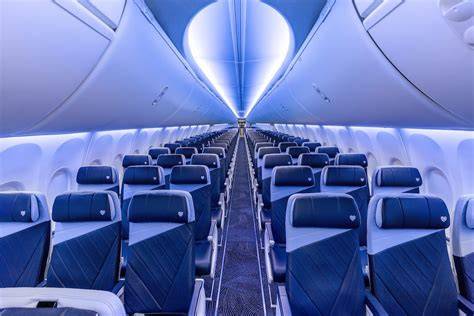
This creates a crucial economic connection with the lounge. A passenger does not necessarily need to buy first class for Southwest to earn more money from that traveler. The airline can instead capture smaller amounts of additional spending at several stages. The customer may pay for Extra Legroom, choose a higher fare, use a Southwest credit card, accumulate Rapid Rewards points, book another trip, and eventually access a lounge.
Individually, these purchases may not resemble a traditional premium-cabin transaction. Collectively, however, they can create a valuable customer relationship that looks much more like the premium ecosystems operated by larger network carriers.
Chase Could Be the Real Financial Engine
The most important part of Southwest’s lounge strategy may actually sit outside the airport terminal. Chase, the airline’s long-standing credit-card partner, is expected to launch a new premium Southwest Rapid Rewards credit card in 2027, with lounge access positioned as one of its major benefits.
The precise economics and complete benefit structure of the card have not all been publicly disclosed, but reports ahead of the formal announcement pointed toward an annual fee in the region of $500 to $600. If the final product lands anywhere near that level, the credit card could fundamentally change how Southwest finances its premium strategy.
A customer paying a substantial annual card fee generates value even when that person is not sitting inside a lounge. The cardholder may use the card for everyday purchases, accumulate Rapid Rewards points, purchase more Southwest flights, maintain loyalty to the airline, and become less likely to move to a competing carrier. Lounge access then becomes one part of a much larger financial relationship.
This is particularly valuable because Southwest can potentially control who enters its lounges. If access is heavily connected to a premium credit card rather than being broadly available to every frequent flyer, the airline can limit demand and protect the experience. That matters because overcrowding can quickly undermine the value of an airport lounge.
The Nashville facility’s enormous size may therefore be partly intentional. Southwest needs enough capacity to accommodate premium customers without producing the packed conditions that can make an expensive lounge feel little different from a crowded airport terminal. The $53 million investment could consequently be viewed as infrastructure supporting an entire premium customer-acquisition strategy.
Four Lounges Are Only the Beginning
Southwest has already identified Honolulu Daniel K. Inouye International Airport, Nashville International Airport, Austin-Bergstrom International Airport, and Baltimore/Washington International Airport as locations for its initial lounge concepts. These airports are strategically useful because they represent important Southwest markets with very different passenger profiles.
Honolulu provides a major leisure market and a gateway to the broader Pacific network. Nashville offers a large Southwest customer base and strong local demand. Austin gives the airline another important Texas market, while Baltimore/Washington provides access to a major metropolitan area where Southwest has historically maintained a strong presence.
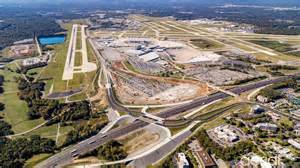
Construction is already underway, with the first openings expected in late 2027. Southwest has also said that at least seven additional lounges are planned over the following several years. That means the eventual network could contain at least 11 locations, transforming what might initially look like an isolated Nashville experiment into a substantial national lounge strategy.
The total investment required remains uncertain because each airport presents different construction conditions, lease costs, labor requirements, and space limitations. Nevertheless, the scale of the planned network makes one thing increasingly clear: Southwest is no longer treating premium services as a minor addition to its low-cost model.
Premium Seating Could Help Fund the Transformation
Southwest’s seating changes provide another major source of revenue behind the lounge strategy. Assigned seating does more than eliminate the old boarding process. It gives the airline additional control over inventory and creates more opportunities to charge different prices for different seats.
The financial ambitions are considerable. Southwest has indicated that assigned seating and related premium seating initiatives could generate approximately $1 billion in incremental pretax earnings during 2026, with the contribution potentially rising toward $1.5 billion in 2027 as the program matures.
Those figures help explain why the lounge investment should not be examined separately from the airline’s broader commercial transformation. A $53 million lounge looks enormous when considered as a single construction project. It becomes easier to understand when placed alongside a program designed to generate billions of dollars in additional pretax earnings from premium seating and related changes.
The strategy effectively creates a ladder of spending. A traveler can begin with a low base fare and then decide how much additional value is worth purchasing. One passenger may want only a better seat. Another may choose a higher fare. A frequent traveler may want a premium credit card and lounge access. The important point is that Southwest no longer needs every customer to behave the same way.
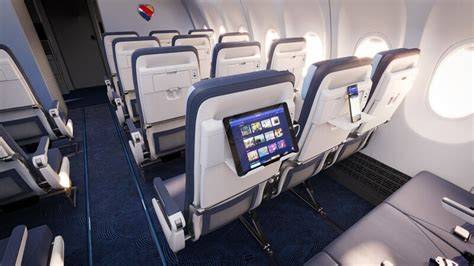
That flexibility is a significant departure from the airline’s traditional identity. Southwest built much of its competitive advantage by keeping the product simple. Its new strategy is more complicated, but the additional complexity gives the carrier more opportunities to monetize customers who previously had few reasons to spend beyond the basic ticket.
International Partnerships Make the Lounge More Valuable
Southwest’s international ambitions add another layer to the strategy. The airline has developed interline relationships with carriers including EVA Air, Icelandair, LOT Polish Airlines, and China Airlines, while continuing to pursue additional partnerships.
These relationships allow Southwest to participate in journeys that extend beyond its own network. A passenger can potentially use Southwest for the domestic portion of a trip before connecting to an international partner operating the long-haul sector. That model is particularly useful at major West Coast gateways such as Los Angeles International Airport, San Francisco International Airport, and Seattle-Tacoma International Airport.
For Southwest, this creates an opportunity to remain relevant even when another airline operates the longest part of the journey. The domestic carrier provides the initial connection while its partner supplies international reach. The more seamless that experience becomes, the more valuable loyalty, credit-card spending, and premium airport services become.
A lounge can strengthen that proposition. Customers connecting between domestic and international flights have a greater reason to value a comfortable airport facility, particularly when the journey involves a long connection or a premium travel itinerary. Southwest can therefore use its lounges to make a broader network feel more cohesive.
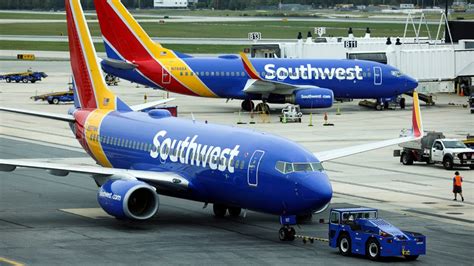
The $53 Million Lounge Signals a New Southwest Airlines
The Nashville lounge ultimately represents something much larger than a building project. Southwest Airlines is attempting to redefine what a premium customer means within a low-cost airline. For decades, premium travelers were largely defined by first-class cabins, business-class seats, elite status, and expensive international tickets. Southwest is taking a different route.
Its premium customer can now be someone sitting in Extra Legroom, paying for a preferred seat, carrying a premium Chase card, earning Rapid Rewards points, connecting through an international partner, and using a Southwest lounge before departure. No single feature has to replicate first class because the combined ecosystem can provide much of the commercial value that first-class passengers generate for other airlines.
That is why the $53 million Nashville lounge is so significant. It is not simply an expensive amenity for Southwest passengers. It is physical evidence that the airline believes its customers are willing to spend substantially more when the right premium options are presented.
The strategy also carries real risks. Lounges are expensive to build and operate, and premium customers expect quality, space, food, service, and reliability. If access becomes too broad, overcrowding could reduce the appeal. If access is too restrictive, Southwest could struggle to generate enough value from its investment. The airline must also convince customers that its premium ecosystem is compelling enough to justify spending more rather than simply choosing a traditional network carrier.
For now, however, Southwest appears willing to make that bet. Assigned seating, Extra Legroom, premium credit cards, Rapid Rewards, international partnerships, and airport lounges are being assembled into one connected strategy. The absence of a conventional first-class cabin no longer means Southwest has no premium product. Instead, the airline is trying to create a premium experience that begins before passengers board the aircraft.
If the model works, the Nashville lounge will eventually be remembered less for its $53 million price tag than for what it represented: the point at which Southwest Airlines stopped asking whether it needed first class and started building an entirely different way to make premium travelers pay for the experience they want.