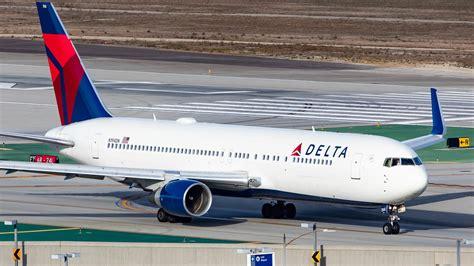
Delta Air Lines has removed seven nonstop routes from Minneapolis–St. Paul International Airport (MSP) in 2026, reshaping part of its network at one of its most important US hubs. The cancellations affect three international leisure destinations and four domestic markets, reflecting a shift toward routes with stronger passenger demand and more sustainable operating economics. Despite these reductions, Minneapolis–St. Paul remains Delta’s third-largest base by weekly departures, demonstrating that the airline’s broader operation at the airport continues to expand.
According to aviation analytics company Cirium, Delta schedules an average of 2,266 weekly flights from Minneapolis–St. Paul as of October 2026. That figure places the Minnesota hub behind Hartsfield-Jackson Atlanta International Airport (ATL) and Detroit Metropolitan Wayne County Airport (DTW), but ahead of several other major Delta bases. The airline’s overall departures from Minneapolis also increased by 1.1% compared with the same period in 2025, showing that the seven route cuts have not translated into an overall contraction at the airport.
The cancellations occurred in two stages, with three routes ending in April and four more removed in September. The affected destinations include St. Maarten, Mazatlán, Tulum, Williston, Marquette, Great Falls, and Wilmington. For travelers, the changes mean losing direct access to several destinations from Minneapolis, although alternative connections remain available for some markets.

Delta Air Lines’ Three April 2026 Route Cancellations
Delta’s first three route cuts of the year involved leisure destinations popular with travelers seeking warm-weather holidays. The airline ended nonstop flights from Minneapolis–St. Paul to St. Maarten (SXM), Mazatlán (MZT), and Tulum (TQO) in April 2026. These routes faced a combination of weaker-than-expected demand and competition from lower-cost carriers, making it more difficult for Delta to maintain the services at commercially sustainable levels.
Sun Country Airlines was a particularly important competitor on the St. Maarten and Mazatlán routes. The Minneapolis-based leisure carrier has an established presence in the regional holiday market, offering travelers another option for reaching vacation destinations. When an airline faces direct competition from a carrier with a lower-cost operating model, maintaining attractive fares while covering flight expenses can become challenging, especially when demand varies throughout the year.
Tulum presented a different set of market conditions. The Mexican destination’s airport was developed in part to improve access to the Riviera Maya and reduce pressure on Cancún International Airport. However, airlines subsequently added capacity to the market, creating concerns about an oversupply of seats relative to passenger demand. Delta’s withdrawal from Minneapolis–Tulum illustrates how quickly an emerging leisure market can become difficult to serve when several airlines compete for the same pool of travelers.
The three April cancellations therefore reflect more than a simple reduction in destinations. They highlight the challenges of operating leisure routes where seasonal demand, competing fares, and excess capacity can affect profitability. Travelers heading to these destinations may need to consider alternative airlines, different departure airports, or connecting itineraries rather than relying on Delta’s former nonstop services.
Four Domestic Routes Removed in September 2026
Delta made four additional changes to its Minneapolis network in September, discontinuing flights to Williston, North Dakota (XWA); Marquette, Michigan (MQT); Great Falls, Montana (GTF); and Wilmington, North Carolina (ILM). Unlike the April cuts, these routes primarily served domestic markets where passenger volumes, operating expenses, and access to alternative connecting hubs influenced the airline’s decisions.
Williston’s exit was particularly significant because the route had received local government support. Officials had approved up to $2.7 million in subsidies to help sustain the Minneapolis service, which had operated for nearly 14 years. However, the flights reportedly continued to fall short of the passenger loads needed to reach the airline’s break-even targets. The withdrawal shows that financial assistance alone cannot guarantee a route’s long-term survival when demand remains insufficient to support its operating costs.

For Marquette, low passenger volumes contributed to the decision to discontinue the Minneapolis connection. Travelers in Michigan’s Upper Peninsula can instead consider itineraries connecting through Detroit, where Delta operates a much larger network. Although this may require an additional flight or a different schedule, the airline can still provide access to its wider domestic and international destinations through its established hub.
Great Falls also lost its direct Minneapolis service as Delta refocused its network around stronger markets. Passengers traveling from the Montana city can use Salt Lake City International Airport (SLC) as an alternative connecting point. Salt Lake City is another important Delta hub, providing connections across the western United States and beyond.
Wilmington’s cancellation reflects a different combination of considerations, including persistently high operating costs. Delta has reduced its presence in the North Carolina market but continues to serve Wilmington through Atlanta. This preserves access to the airline’s network while directing passengers through a hub with substantially greater connecting opportunities.
All Seven Delta Routes Cut From Minneapolis in 2026
The following table summarizes the seven discontinued routes and the month in which each service ended.
| Origin | Destination | Airport code | Month cut |
|---|---|---|---|
| Minneapolis–St. Paul | St. Maarten | SXM | April 2026 |
| Minneapolis–St. Paul | Mazatlán | MZT | April 2026 |
| Minneapolis–St. Paul | Tulum | TQO | April 2026 |
| Minneapolis–St. Paul | Williston | XWA | September 2026 |
| Minneapolis–St. Paul | Marquette | MQT | September 2026 |
| Minneapolis–St. Paul | Great Falls | GTF | September 2026 |
| Minneapolis–St. Paul | Wilmington | ILM | September 2026 |
The changes do not mean every destination has become inaccessible to Delta customers. Instead, passengers may need to use another airline or connect through a different airport. Wilmington, for example, remains served through Atlanta, while Detroit and Salt Lake City offer alternative connection opportunities for travelers from Marquette and Great Falls, respectively.
Minneapolis Remains Delta’s Third-Largest Hub
Despite the seven cancellations, Minneapolis–St. Paul continues to play a central role in Delta’s domestic network. Cirium data for October 2026 shows that the airport handles more than 2,200 scheduled weekly departures, placing it behind Atlanta and Detroit among Delta’s largest bases.
Atlanta leads with approximately 6,165 weekly departures, followed by Detroit with 2,372 and Minneapolis–St. Paul with 2,266. Salt Lake City ranks fourth with 1,754 weekly departures, followed by LaGuardia with 1,717 and New York John F. Kennedy International Airport with 1,414.
Other major Delta bases include Boston, with 1,149 weekly departures; Seattle, with 1,112; and Los Angeles, with 1,050. Minneapolis therefore remains a larger operation than several prominent coastal gateways, even after the latest route adjustments.
The airport’s 1.1% year-over-year increase in departures further underlines the distinction between route-level cancellations and broader network growth. Airlines routinely discontinue individual services while increasing flights elsewhere, allowing them to redirect aircraft and resources toward markets with stronger demand or better connecting opportunities.

What the Route Cuts Mean for Delta Passengers
For travelers, the practical consequences depend on the destination. Passengers who previously relied on Delta’s nonstop flights to St. Maarten, Mazatlán, or Tulum may need to compare alternative carriers and connecting itineraries. Those traveling to Williston, Marquette, Great Falls, or Wilmington should check current schedules carefully, as available connections and journey times can vary by date.
The changes also illustrate how airlines balance network reach against financial performance. A hub can continue growing even as individual routes disappear, provided the carrier reallocates capacity to services that better match demand. Minneapolis–St. Paul remains a major Delta operation, but its route map is evolving as the airline reassesses leisure markets, regional demand, and operating costs.
The key takeaway is that Delta has removed seven nonstop routes from Minneapolis–St. Paul in 2026 without reducing the airport’s position as its third-largest US base. For passengers, the next step is to verify the latest itinerary options before booking, particularly when traveling to destinations affected by the April and September cancellations.