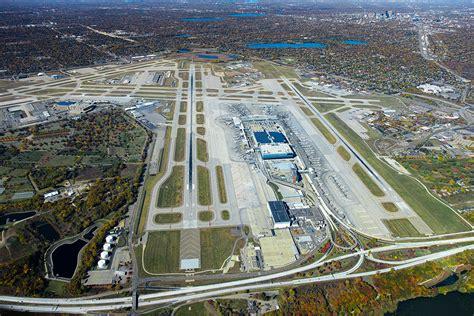
Travelers passing through Minneapolis–St. Paul International Airport (MSP) are being met with an unexpected shift in federal enforcement as Immigration and Customs Enforcement (ICE) expands its presence inside the airport. According to internal documents shared by airport staff, ICE agents will conduct document checks over the next three weeks, extending their activity beyond traditional enforcement zones and into terminals and jet bridges. The move has heightened anxiety among passengers, airline workers, and local officials already navigating a tense political climate.
This expanded operation signals a notable change in how immigration enforcement interacts with domestic air travel. ICE agents are expected to request identification from both travelers and airport employees, including those boarding or deplaning aircraft. While federal authorities have not formally confirmed the operation, airport leadership has acknowledged that existing regulations grant ICE broad access to airport property, leaving little room for local intervention or restriction.
For passengers, the legal landscape remains complex. U.S. citizens are not required to present identification to ICE agents during routine encounters. However, past incidents have demonstrated that citizenship alone does not always prevent temporary detention. Lawful permanent residents, by contrast, are legally obligated to carry proof of status at all times, making them particularly vulnerable during such checks despite traveling domestically.
The presence of ICE in jet bridges and terminal corridors represents an escalation beyond previous practices. While Customs and Border Protection (CBP) routinely operates on jet bridges for international arrivals, those actions are tied to border authority and targeted intelligence. Extending similar scrutiny to domestic flights and airport employees introduces a broader surveillance footprint, one that critics argue blurs the line between immigration enforcement and general law enforcement.
This development follows recent disclosures that Transportation Security Administration (TSA) passenger data has been shared with ICE to assist in locating individuals with outstanding immigration cases. Unlike those targeted efforts, the MSP operation appears designed for broad document verification, increasing the likelihood of incidental encounters with individuals not under investigation.
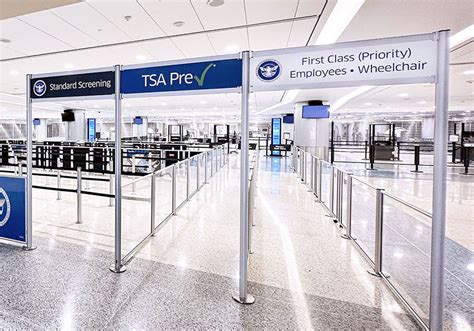
Minnesota’s political context amplifies the impact of the announcement. Ongoing debates around immigration enforcement, civil liberties, and federal authority have already strained relationships between state leaders and federal agencies. Introducing ICE patrols into one of the region’s busiest transportation hubs places those tensions directly into the daily routines of thousands of travelers.
Airport employees face particular uncertainty. Workers who move frequently between secure and public areas may encounter repeated checks, raising concerns about workflow disruption and employee morale. Labor advocates warn that such operations could discourage reporting of workplace issues or cooperation with airport management.
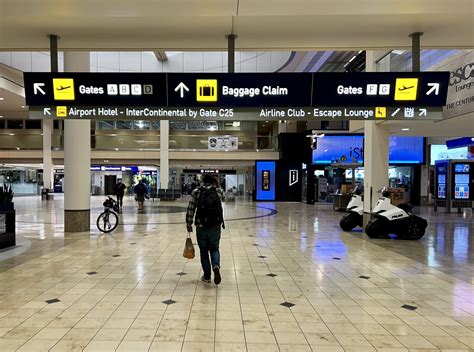
As the operation unfolds, passengers are advised to understand their rights and obligations before traveling. The expanded ICE presence at MSP underscores a shifting enforcement strategy with implications far beyond a single airport, reshaping expectations of privacy and oversight within domestic air travel.