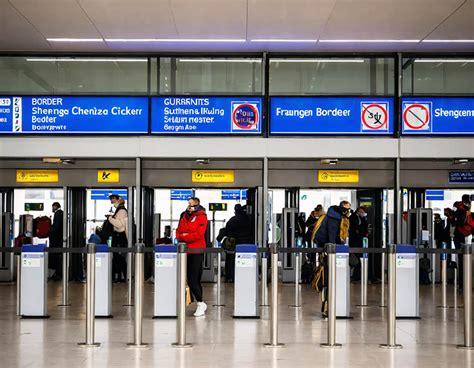
As the summer travel season approaches, Belgium is poised to implement new border checks, a move that is set to significantly impact travelers across the Schengen Zone. This decision comes in response to rising migration pressures and heightened security concerns within Europe. The timing of this enforcement is particularly striking, as it coincides with the peak of tourist activity, leading to worries about increased delays and disruptions for those journeying through Belgium’s borders. In an unexpected twist, however, Luxembourg has been granted an exemption from these new checks, allowing for uninterrupted cross-border movement between the two countries.
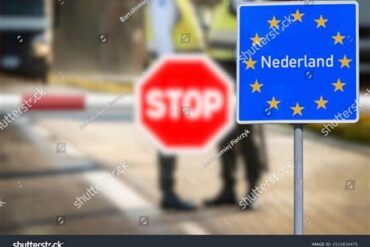
The introduction of these targeted border checks marks a notable shift in Belgium’s approach to immigration and security. Authorities are focusing on key transit routes, including highways, international train services, and popular bus routes, particularly those frequented by travelers coming from nations experiencing high migratory pressures such as Italy and Greece. The checks will involve a coordinated effort between federal police and local law enforcement, raising the possibility of slower border crossings and increased documentation verification for travelers. This is a significant change for routes that have previously allowed for seamless travel, and it raises questions about the future of cross-border mobility in the region.
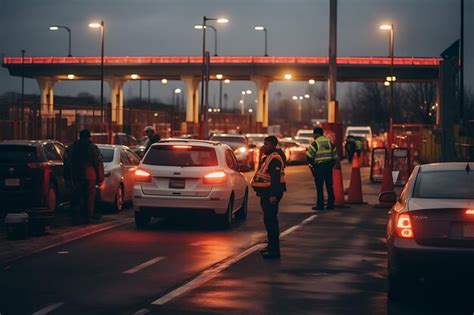
Luxembourg’s exemption is particularly noteworthy, as it reflects the country’s ongoing commitment to maintaining frictionless movement across its borders. This decision was reached following discussions between officials from both Belgium and Luxembourg, during which it was confirmed that no border controls would be established between the two nations. For Luxembourg, this agreement is a critical victory, especially in light of its recent complaints to the European Commission regarding border restrictions imposed by Germany. The exemption not only alleviates fears of increased isolation but also safeguards the essential daily flow of commuters and tourists who travel between Belgium and Luxembourg, thereby supporting both economies.
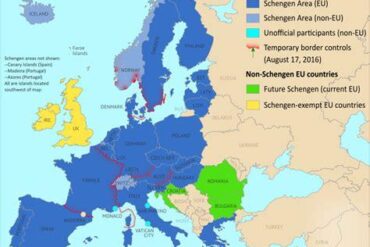
Belgium’s decision to tighten border controls is part of a broader trend seen throughout the Schengen Zone, where countries are increasingly reinstating border checks in response to security concerns and irregular migration. As of June 2025, a total of eleven out of the twenty-nine Schengen member states have notified the European Commission of their plans to enforce some form of border control. Countries like France, Austria, and the Netherlands have cited national security as a primary reason for these measures, while Germany has extended its border checks through at least October 2025. The implications of these developments are profound, suggesting a shift away from the once-sacrosanct notion of a borderless Europe.
Travelers are now faced with a reality where cross-border mobility is marked by uncertainty and potential delays. The ease of movement that characterized travel within the Schengen Zone is being challenged, and many travelers may need to adjust their plans accordingly. The introduction of border checks, even if they are described as targeted, adds a layer of complexity that could lead to missed connections, disrupted itineraries, and a less enjoyable travel experience.
The travel industry is responding with a mix of concern and caution. Tourism leaders and operators across Europe rely heavily on the predictability of open borders for their operations. The reintroduction of border checks injects friction into what has traditionally been a fluid travel ecosystem. With summer being the peak travel season, even minor delays at border crossings can have cascading effects on bookings and overall customer satisfaction. Operators are therefore proactively adjusting routes, updating traveler guidance, and enhancing communication efforts to mitigate the impact of these changes on their clients.
The evolving landscape of European travel presents a crossroads for the future of the Schengen Agreement. Originally conceived as a means to promote unity, freedom, and trust among member states, recent developments reflect the growing tension between these ideals and the practical demands of governance, migration control, and national priorities. Luxembourg’s successful negotiation for exemption highlights the importance of diplomatic dialogue in addressing these issues, but it also underscores the uneven and fragmented enforcement landscape that travelers now face.
As this situation continues to evolve, it is crucial for travelers planning to visit or transit through Belgium and its neighboring countries to remain informed. Here are several key considerations:
- Anticipate documentation checks on major routes, particularly if arriving from countries with high migratory pressures.
- Enjoy uninterrupted travel between Luxembourg and Belgium, as no border controls will be enforced.
- Be prepared for potential delays on specific bus lines, train routes, and highways adjacent to the borders.
- Keep official identification readily available and allow extra time for border crossings, as additional checks may slow the process.
- Expect selective screening at airports, even within the Schengen Zone, which could affect flight connections.
In conclusion, the announcement of new border checks by Belgium, juxtaposed with Luxembourg’s notable exemption, signals a transformative moment for the European travel landscape. While one border remains open, others are tightening, creating a scenario that impacts millions of travelers, commuters, and citizens. As we head into the summer season and witness rapid changes in mobility politics, the future of travel in Europe hangs in the balance. Whether this leads to a more secure and unified region or contributes to fractures in cooperation will depend on the actions taken in the coming months. Travelers must stay alert, informed, and adaptable, as the journey may become just as significant as the destination itself.