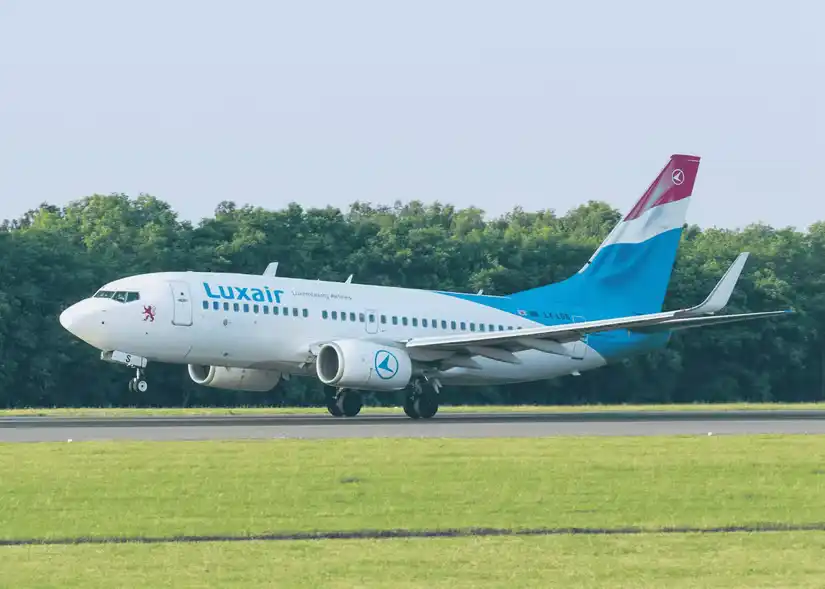
Luxair is preparing for one of the most ambitious growth phases in its modern history, with 11 new routes launching throughout 2026 from its main base at Luxembourg-Findel International Airport (LUX). The expansion strengthens Luxembourg’s position as a European aviation hub while adding a diverse mix of leisure, business, and international destinations across Europe, North Africa, and the Middle East.
The new routes reflect Luxair’s strategy of combining popular holiday markets with underserved city connections. Mediterranean destinations remain a major focus, but the airline is also expanding toward northern Europe and the Gulf region. The result is a broader network designed to meet changing passenger demand while making better use of Luxair’s evolving fleet.
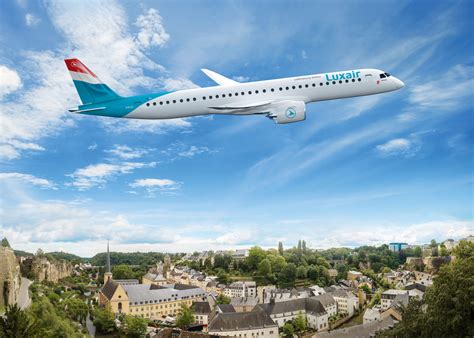
Luxair’s 2026 Route Growth Begins Across Europe
The airline’s expansion officially started on March 31, 2026, when Luxair launched flights between Luxembourg and Porto Santo in Portugal’s Madeira archipelago. The seasonal route provides travelers with direct access to a popular Atlantic island destination and will operate 32 rotations during the year using Boeing 737 aircraft.
Only one day later, Luxair introduced another important connection to Alicante, Spain. The Mediterranean city has strong appeal among leisure travelers seeking sunshine, beaches, and cultural attractions. With 79 scheduled rotations in 2026, Alicante represents one of the larger additions to Luxair’s summer network, mainly operated by the carrier’s modern Embraer E195-E2 regional jets.
The airline continued its Mediterranean expansion in May by adding two Greek destinations: Patras and Zakynthos. Both routes opened on May 20 and provide Luxembourg travelers with easier access to Greece’s coastal regions. Zakynthos will receive a limited number of flights, with 12 rotations planned using Boeing 737 aircraft, while Patras will operate a small seasonal schedule.
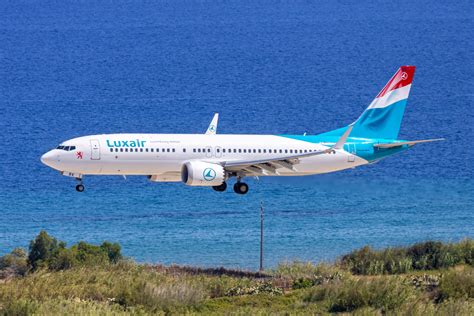
These Greek additions highlight Luxair’s focus on leisure travel opportunities. Instead of competing only on high-frequency business routes, the airline is using its flexible fleet to connect Luxembourg with destinations that have strong seasonal demand.
Four New Routes Added During July Expansion Wave
July 2026 represents the busiest month of Luxair’s network expansion, with four new routes launching within a short period. The airline began the month by introducing flights to Helsinki on July 2, followed by Edinburgh on July 3 and Tunis on July 7.
Helsinki and Edinburgh are particularly significant because they expand Luxair’s European city network beyond traditional holiday destinations. Both routes have generated considerable passenger interest and serve both leisure travelers and business customers. Each destination will receive 52 rotations during 2026, creating stronger links between Luxembourg and northern Europe.
Luxair Chief Commercial Officer Thomas Fischer highlighted that Helsinki and Edinburgh had been long-requested destinations with strong demand in both directions. These routes fit the airline’s broader approach of developing connections that provide value for travelers departing from Luxembourg while also attracting visitors into the country.
The airline’s Tunis route adds another dimension to the network by strengthening connections with North Africa. The destination will receive 33 rotations in 2026, with operations shared between Luxair’s Boeing 737 aircraft and newer Embraer E195-E2 jets.
Later in July, Luxair launched flights to Bilbao, Spain, further expanding its presence in southern Europe. Unlike many of the other new routes, Bilbao services will be operated exclusively by the De Havilland Canada DHC-8-Q400 turboprop aircraft, with 33 rotations scheduled for 2026.
Fleet Modernization Supports Luxair’s Ambitious Growth
Luxair’s ability to launch 11 new routes depends heavily on its changing fleet structure. The airline has been modernizing its aircraft lineup while maintaining flexibility through a combination of regional jets, turboprops, and narrow-body aircraft.
The carrier currently operates several key aircraft types, including Boeing 737-700s, Boeing 737-800s, Boeing 737 MAX 8s, Embraer E195-E2 jets, and De Havilland Canada DHC-8-Q400 turboprops. Luxair also operates one Airbus A320 through a wet lease agreement with DAT, providing additional capacity when required.
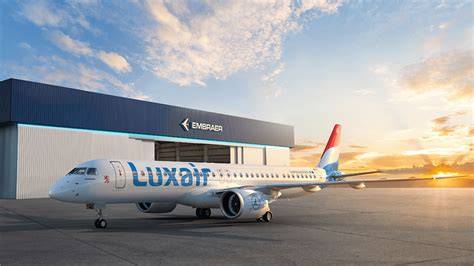
The arrival of the Embraer E195-E2 has been especially important for Luxair’s growth strategy. The aircraft offers improved efficiency, modern passenger comfort, and the flexibility needed for medium-distance European routes. Four E195-E2 aircraft are already part of the fleet, with additional aircraft expected to join.
Meanwhile, Boeing 737 aircraft remain essential for higher-capacity seasonal routes, including services to holiday destinations. The airline has also expanded its future fleet plans with additional Boeing 737 MAX aircraft on order.
Abu Dhabi and Salerno Complete the 2026 Expansion Plan
Luxair’s final additions for 2026 will arrive later in the year, extending the airline’s network beyond Europe.
On October 26, 2026, Luxair will launch flights to Abu Dhabi International Airport in the United Arab Emirates. The new Middle Eastern connection will operate weekly using the Boeing 737 MAX 8. This route represents a major strategic step, giving Luxembourg passengers direct access to a growing international business and tourism center.
The final new route of the year will connect Luxembourg with Salerno Costa d’Amalfi Airport in Italy. The service is highly limited, with only three scheduled rotations on November 1, 5, and 8. Despite its small scale, the route demonstrates Luxair’s willingness to test emerging destinations and respond quickly to niche travel demand.
Luxair’s 2026 expansion marks a significant transformation for the Luxembourg flag carrier. By adding connections across Europe, North Africa, and the Middle East, the airline is building a more diverse network while matching capacity with passenger demand. The combination of new destinations, fleet modernization, and flexible seasonal operations positions Luxair for continued growth in an increasingly competitive aviation market.