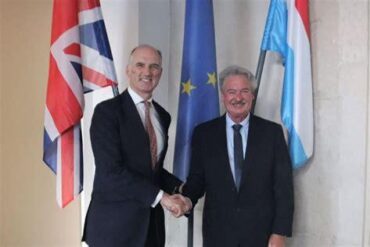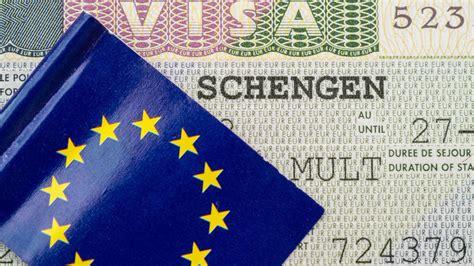
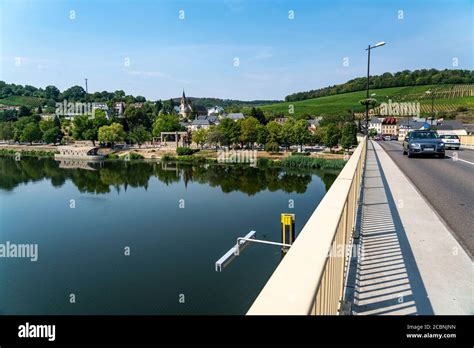
The 40th anniversary of the Schengen Agreement marks a historic milestone in the evolution of European unity, signaling four decades of borderless cooperation, shared prosperity, and strategic integration. On June 14, 1985, the seeds of the Schengen Area were sown in a symbolic signing aboard a vessel floating along the River Moselle, touching the borders of Luxembourg, France, and Germany. Now, forty years later, the founders—Germany, France, the Netherlands, and Luxembourg—commemorate not only a political agreement but a transformative legacy that continues to shape the continent.
The Founding Vision of a Borderless Europe
The Schengen Agreement emerged in a Europe still recovering from the Cold War’s fractures, a period when the continent longed for unity over division. The vision was bold: to eliminate internal borders, foster economic cooperation, and allow the unrestricted movement of people and goods. Signed by five countries—Belgium, France, Germany, Luxembourg, and the Netherlands—this initiative was not merely about geography, but about political will and collective identity.
Initially met with skepticism by some EU members, the agreement matured into a comprehensive framework that became fully operational on March 26, 1995, when border checks between founding states were officially abolished. The result was a continental space without internal frontiers, a feat unprecedented in modern international governance.
Expansion to 29 Nations: From Vision to Vast Network
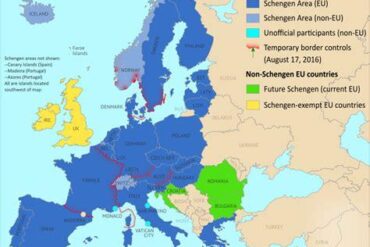
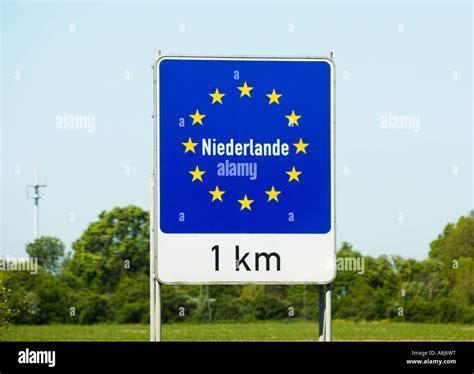
From its modest origins, the Schengen Area has evolved into a network of 29 European countries, both EU and non-EU members. In January 2025, Romania and Bulgaria officially joined the Schengen Area, further expanding its demographic and strategic reach. Today, over 450 million people reside in this unified space, benefiting from seamless travel, simplified cross-border employment, and strengthened intergovernmental cooperation.
This expansion has been more than symbolic. An estimated 3.5 million people cross internal Schengen borders daily, many of them workers who live in one country and commute to another. The economic interdependence fostered by this mobility has deepened transnational ties, particularly among border regions where cultural and linguistic overlaps are strongest.
Cornerstones of the Schengen Framework
Freedom of Movement: A Right and a Reality
At its heart, Schengen is synonymous with freedom of movement. The removal of internal border checks has revolutionized how Europeans experience daily life—enabling effortless tourism, efficient business travel, academic exchanges, and family reunifications without bureaucratic hindrances. This openness has cemented a shared European identity, enabling citizens to experience Europe as one coherent space.
The convenience afforded by Schengen has also transformed Europe into the world’s most visited destination, welcoming over 500 million tourists annually. Cultural capitals from Amsterdam to Paris and Berlin to Luxembourg City thrive not just because of their heritage, but also due to their accessibility.
Security Through Shared Sovereignty
Critics of Schengen often point to the removal of borders as a potential risk. However, the agreement includes mechanisms for enhanced security cooperation. Through shared intelligence systems, common visa policies, and external border management, member states work collectively to mitigate threats while preserving internal openness.
The Schengen Information System (SIS) is one of the largest crime-fighting databases in the world, used by law enforcement across member countries to track wanted individuals, stolen vehicles, and immigration violations. Cooperation on matters of counterterrorism, cybercrime, and human trafficking has also intensified, proving that security and openness can coexist.
Economic Prosperity: Logistics Without Limits
Schengen’s economic impact is as vital as its ideological message. The elimination of border delays has optimized Europe’s logistics networks, allowing goods and services to move with minimal friction. This fluidity has reduced operational costs for businesses, enhanced supply chain reliability, and improved the competitiveness of European industries.
Borderless trade, coupled with uniform customs and tax protocols, has enabled firms to operate transnationally with greater ease. For smaller nations like Luxembourg and the Netherlands, this has been instrumental in scaling their influence within larger European markets. The result is a collective prosperity model, with the Schengen Area generating billions of euros in GDP growth annually.
Contemporary Challenges: Security, Migration, and Governance
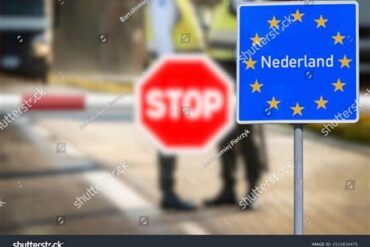
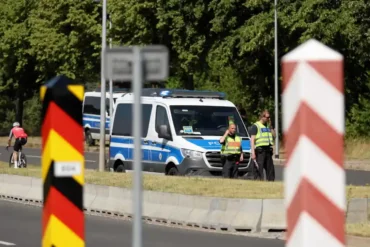
Despite its accomplishments, the Schengen Area is not without tensions. The refugee crisis, rising populism, and terrorist threats have led some countries—Germany, France, and the Netherlands among them—to temporarily reinstate internal border checks in recent years. These actions, though legal under Schengen rules during emergencies, highlight the fragility of the political consensus required to maintain a border-free zone.
The European Commission, recognizing these vulnerabilities, has proposed reforms to reinforce Schengen’s long-term resilience. The 2025–2026 Schengen cycle prioritizes:
- Strengthened governance at both EU and national levels to promote shared accountability.
- A comprehensive security approach that includes border regions, transit routes, and candidate countries.
- Accelerated digitalization, introducing biometric border gates, AI-powered risk assessments, and smart visa platforms to streamline processing and enhance oversight.
These reforms are intended not just to patch existing gaps, but to future-proof the Schengen Area against geopolitical shifts, climate migration, and hybrid warfare threats.

A Continental Celebration of Unity
The 40th anniversary is not simply a bureaucratic milestone; it is being marked with cultural, political, and educational events across Europe. The European Commission’s communication campaign underscores the historical significance and future potential of Schengen through:
- EU Open Day: Featuring art installations, interactive experiences, and community projects that reflect on citizens’ personal connections to Schengen.
- Academic Conferences: Panels such as “40 Years of Schengen: People, Borders, Politics” bring together scholars, politicians, and civil society to discuss the next generation of European integration.
- Youth Engagement Initiatives: Educational toolkits and competitions for students that examine the values of borderless cooperation and civic participation.
These initiatives not only commemorate past achievements but aim to foster public trust and engagement in Schengen’s future.
The Road Ahead: More Than Just Borders
As the Schengen Agreement crosses into its fifth decade, its role as a model of regional integration becomes even more relevant. In a world where globalization is under pressure and nationalism resurging, Schengen stands as a counter-narrative—proof that multilateralism, shared sovereignty, and cross-border cooperation can yield tangible benefits.
Yet, sustaining Schengen’s ideals requires more than infrastructure or treaties—it demands a renewed political will, institutional trust, and citizen support. Future expansions may include Western Balkans states, and possibly Ukraine, should the political climate and technical readiness align. Each new member adds both complexity and richness to the collective European tapestry.
Ultimately, the celebration of forty years is less about nostalgia and more about momentum. As Europe navigates a changing geopolitical landscape, Schengen remains not just a policy framework, but a symbol of what Europe can achieve when it acts together.