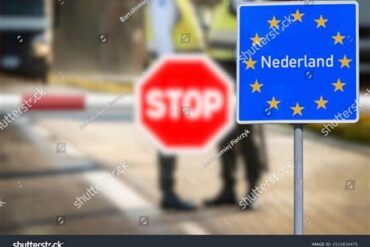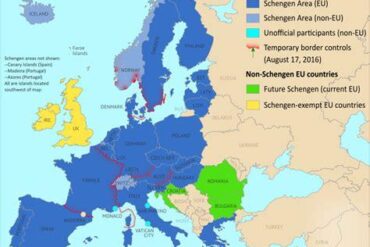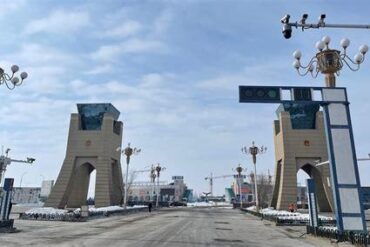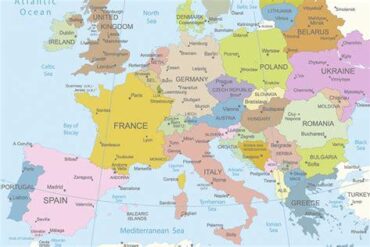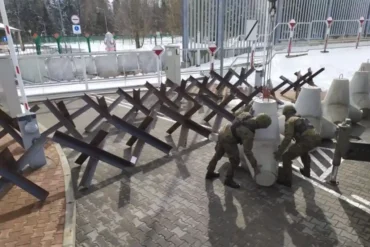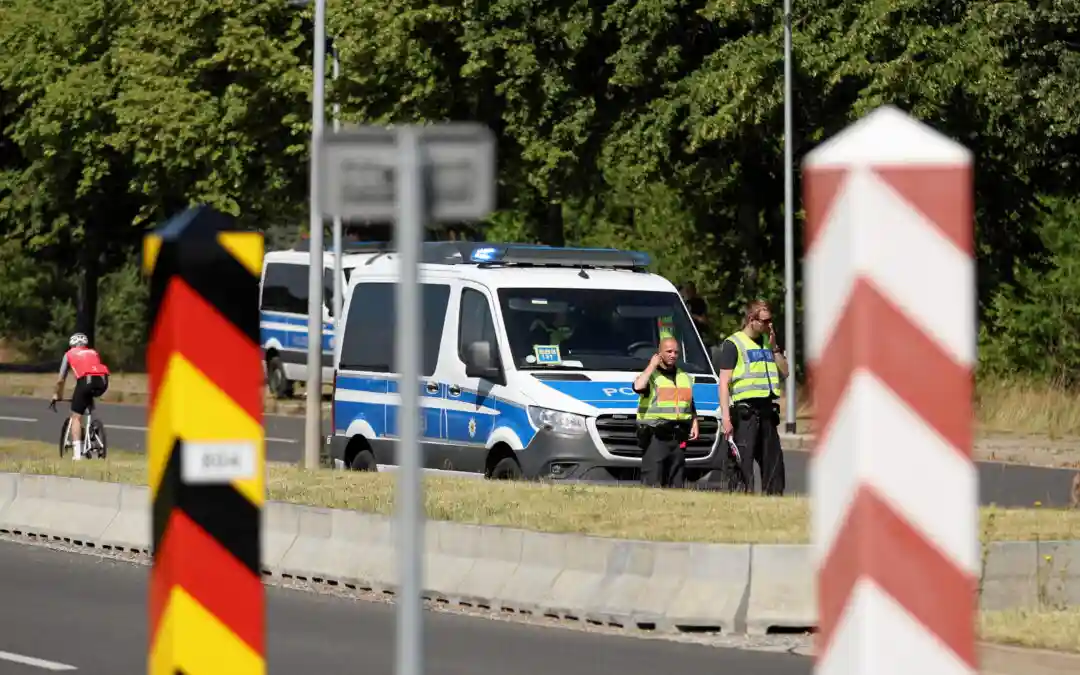
Poland’s recent decision to reinstate border controls with Germany and Lithuania has sparked significant uncertainty for travelers across Europe. Once celebrated for its seamless travel experience, the Schengen zone now faces a potential crisis as the reinstatement of checks threatens the very essence of free movement that millions have enjoyed for years. This decision is not just a reaction to current events; it sends shockwaves through the entire Schengen tourism industry, raising alarms among airlines, rail operators, and tourists alike.
Travelers who once glided effortlessly through borders now confront a new reality marked by delays and inspections. The implications of Poland’s crackdown extend beyond its borders, signaling a possible shift in how the Schengen tourism industry might function in the coming years. As the fear of illegal migration looms large, Poland’s actions could redefine the landscape of European travel, leading to heightened checks and a lingering sense of uncertainty.
The Underlying Motivations Behind Poland’s Border Controls
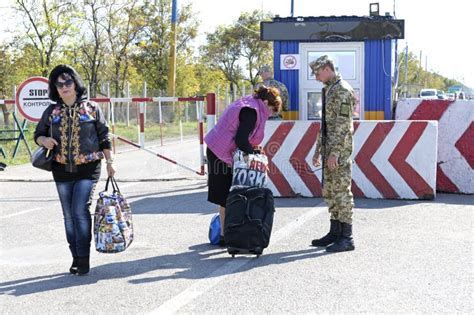
Poland’s decision to enforce strict border checks stems from a growing concern over illegal migration. The country has accused Germany of returning migrants back across the border, and it blames Lithuania and Latvia for not enforcing stricter measures to prevent migrants from entering Poland from Belarus. This frustration reflects a deeper sentiment within the region regarding migration policies and security concerns that have been brewing for nearly a decade.
Europe has faced various migration crises, primarily influenced by conflicts in the Middle East and Africa, coupled with Russia’s ongoing war in Ukraine. Poland’s actions can be interpreted as a defensive measure aimed at maintaining control over its borders amidst these pressing challenges. However, the ramifications of such a stance could be severe, threatening the core principle of free movement that has long been a hallmark of European unity.
Impact on the Tourism Industry
The implications for the tourism industry are profound. Airlines, rail companies, and bus operators depend heavily on predictable passenger flows and quick border crossings. The introduction of routine checks could lead to increased travel times and rising costs, compelling tourists to reconsider their travel plans. The prospect of lengthy queues at borders could deter visitors from embarking on multi-country itineraries, fundamentally altering the way travelers navigate Europe.
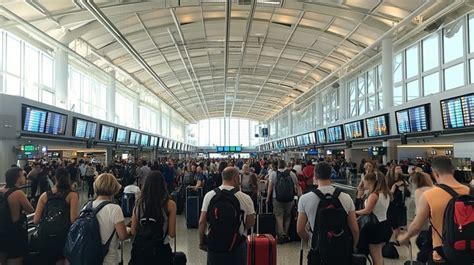
Airports in Berlin, Warsaw, and Vilnius are already feeling the pressure. Flights that traditionally connect Poland with neighboring countries may require schedule adjustments to accommodate passengers facing delays at land borders. Moreover, any instability in border policy can erode traveler confidence, leading to increased customer service inquiries, rebookings, and potential revenue losses as travelers shy away from routes deemed vulnerable to border complications.
Hotels located in border regions are particularly susceptible to the fallout from these changes. Many establishments rely on guests traveling from nearby countries for weekend getaways or business trips. The prospect of fewer German and Lithuanian visitors could significantly impact these businesses, which may need to pivot towards domestic tourism to compensate for the anticipated decline in cross-border guests. Yet, relying solely on local markets may not suffice to replace the economic contribution of high-spending foreign tourists.
A Domino Effect Across Europe
There is a growing fear among travel leaders that Poland’s decision could trigger a domino effect across Europe. Germany has already reinstated temporary border checks with Poland and the Czech Republic, raising questions about whether other nations within the Schengen zone will follow suit in response to similar migration or security concerns. Such developments could undermine the confidence of travelers in the promise of open borders, fundamentally reshaping their approach to planning European holidays.
The allure of seamless, multi-country rail journeys—a cornerstone of Europe’s tourism identity—may become overshadowed by a landscape fraught with uncertainty. Tourists, especially those from the United States or Asia seeking to explore multiple destinations, may find themselves reconsidering their travel choices in favor of regions perceived as more stable and predictable.
Economic Consequences
The economic stakes are enormous. Before the pandemic, Poland’s tourism sector thrived on cross-border visitors, with German tourists playing a pivotal role in supporting local economies in western Poland. The broader Schengen area generates billions in annual tourism spending, and any friction introduced at borders threatens to undermine this vital economic engine. Experts warn that even minor shifts in border policies can have widespread repercussions throughout the industry, compelling tour operators to revise itineraries, airlines to adjust routes, and hotels to redirect marketing efforts toward domestic audiences.
Historical Context and Future Implications
Poland’s recent move is not without precedent. Schengen rules do allow for temporary border checks during emergencies, such as health crises or security threats. The COVID-19 pandemic saw a widespread reintroduction of border controls, but those restrictions were driven by health concerns. In contrast, Poland’s current measures are motivated by migration issues and geopolitical tensions—factors unlikely to dissipate quickly.
As we look toward the future, the potential for digital tools to mitigate some of these challenges exists. Innovations such as digital travel passes, electronic visa systems, and enhanced data-sharing protocols between countries could help streamline border checks if they become more common. The European Travel Information and Authorization System (ETIAS), set to launch fully in 2025, may also play a role in easing some travel friction for non-EU visitors. However, for the time being, Poland’s actions serve as a stark reminder that Europe’s open borders remain susceptible to political shifts and crises.
A Crucial Moment for European Travel
As summer approaches, the focus remains on Poland’s borders. Will these controls evolve into a long-term reality, or will they prove to be a temporary measure? Travelers, airlines, and tourism boards across Europe are anxiously awaiting clarity. The stakes are incredibly high; the Schengen zone represents more than just a bureaucratic agreement—it is the lifeblood of European travel.
The message for anyone planning European adventures is clear: stay informed. Monitor official travel advisories, incorporate flexibility into travel itineraries, and prepare for the possibility of delays or ID checks, even in places once known for their borderless freedom. As we navigate through 2025, the landscape of European travel is undoubtedly shifting, and Poland’s decision may just be the first of many changes to come.