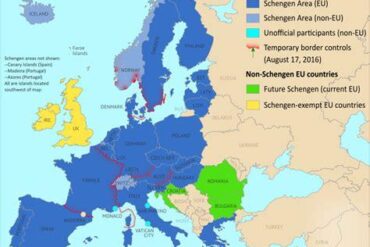
The European Union is embarking on a transformative journey with the introduction of the Entry/Exit System (EES), aimed at fundamentally reshaping how non-EU nationals are monitored as they traverse the borders of the Schengen Area. This initiative represents a groundbreaking shift in border security protocols, focusing on the digital registration of entries and exits while capturing essential biometric data including fingerprints, facial images, and passport details. The EES is not just a measure to enhance security; it is a strategic response to the evolving dynamics of migration and tourism across Europe.
Why the Entry/Exit System Is Crucial for Border Security
The advent of the EES is set to be a pivotal moment for managing border crossings in the Schengen Area. Once fully operational, this system will meticulously track non-EU nationals entering the bloc for short-term stays, irrespective of their visa requirements. The implementation of the EES ensures that Schengen countries will have real-time access to critical data, encompassing travel histories, biometric information, and passport details. This enhanced oversight empowers authorities to monitor visitor movements effectively, thereby mitigating risks associated with overstays and identity fraud.
Polish Minister of the Interior and Administration, Tomasz Siemoniak, has lauded the EES as a significant advancement in border security. He asserts that the system will augment the capacity of EU member states to track individuals more efficiently, enabling swift responses to potential security threats. This sentiment is echoed by EU Commissioner Magnus Brunner, who emphasizes that the EES will provide complete, reliable, and real-time data on individuals entering and exiting the Schengen Area. Brunner’s statement underscores the importance of closing existing gaps in the current system and fostering mutual trust among member states.
How the Gradual Implementation Will Work
The rollout of the Entry/Exit System will occur in phases over a 180-day transitional period. This carefully structured timeline allows member states to integrate the system progressively, ensuring that border authorities and the transport industry can adapt without compromising security protocols. Here’s how the phased implementation is structured:
- 30-Day Mark: Member states must record 10% of the border crossings into the Schengen Area. This initial phase focuses on integrating basic data capture, allowing countries to test the system’s capabilities.
- 90-Day Mark: By this point, member states must have recorded 35% of border crossings and initiate the utilization of biometric functionalities within the system.
- 180-Day Mark: The final stage mandates the full registration of all individuals entering and leaving the Schengen Area, incorporating complete integration of biometric data alongside passport details.
Countries are afforded the flexibility to implement the EES at their own pace, permitting those ready to deploy the system immediately to bypass the gradual rollout process.
Impact on Schengen Member States
The introduction of the EES heralds significant implications for Schengen countries. The system is meticulously designed to:
- Improve Border Security: By furnishing authorities with accurate and up-to-date information regarding visitors, the EES strengthens border security measures.
- Enhance Migration Management: The system facilitates tracking of non-EU nationals, streamlining the identification of individuals who overstay their permitted duration.
- Strengthen Mutual Trust: Consistent data collection and sharing practices across all participating countries will bolster mutual trust among Schengen member states.
In addition to enhancing security, the EES is poised to optimize air travel into the Schengen Area, significantly reducing the time passengers spend at border checks and expediting the processing of travelers.
The Role of Member States in EES Implementation
While the framework for the EES has been established by the EU Council and Parliament, individual Schengen member states bear the responsibility for implementing the system within their territories. This decentralized approach grants countries some latitude in deployment strategies but also necessitates adherence to stringent deadlines and targets. Minister Siemoniak highlights that the phased introduction is crucial for ensuring that Schengen nations have adequate time to adapt to the new system without disrupting ongoing border operations. This method allows for a tailored transition that aligns with local needs and infrastructure capabilities.
What Does This Mean for Non-EU Nationals?
For non-EU nationals, the EES signifies a monumental shift in travel dynamics to Schengen Area countries. This system will not only register passport data but also collect biometric details such as fingerprints and facial recognition data. Consequently, visitors will find their information securely stored digitally for future reference by Schengen authorities. The EES aims to expedite the entry and exit processes at border checkpoints, enabling authorities to swiftly verify traveler identities and ensure compliance with entry regulations. Additionally, the system serves as a deterrent against identity fraud, aiding in the identification of travelers attempting to enter the Schengen Area using counterfeit documents.
What’s Next for the EES Rollout?
While the official start date for the EES rollout remains to be confirmed, Minister Siemoniak has suggested that October could be a target timeframe for the system’s introduction. The EU is keen to implement the system gradually, starting in the autumn, which will provide Schengen member states ample opportunity to prepare for the new security measures. Countries like Finland, already laying the groundwork for the EES, are making significant strides in adapting their infrastructure and procedures to accommodate the new system. The EU’s commitment to ensuring a seamless implementation reflects its priority of maintaining security while enhancing the travel experience for non-EU nationals.
Conclusion: A Safer, More Efficient Schengen Area
The Entry/Exit System promises to be a transformative development in border security and migration management within the Schengen Area. By delivering real-time, reliable data on who enters and exits the bloc, the EES facilitates safer and more secure borders while simultaneously improving the travel experience for non-EU nationals. For Schengen member states, the phased rollout ensures that each country can effectively implement the EES, providing them with the necessary time to adjust operations without disrupting passenger flows. The introduction of the EES marks a significant leap forward in enhancing EU border management, closing security gaps, and fostering mutual trust among EU countries. Stay updated with the latest developments on the Entry/Exit System and other EU border security measures by following us on social media and joining our Telegram group for real-time updates.