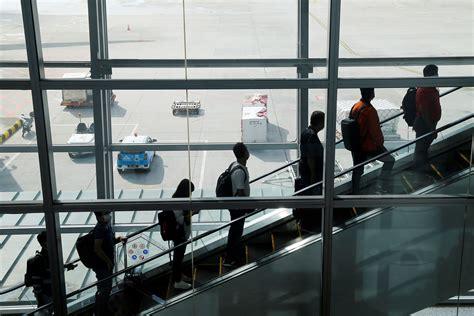
In a significant move that reverberated through the travel and tourism sector, Kuala Lumpur International Airport (KLIA) recently witnessed an incident involving 198 foreign nationals who were denied entry into Malaysia. This event not only raised eyebrows but also sparked discussions around immigration policies, border security, and the future of tourism in the country. The foreign nationals, intercepted at Terminals 1 and 2 of KLIA, failed to meet basic immigration requirements, which included having insufficient funds, no accommodation bookings, and ambiguous travel reasons. This scenario underscores Malaysia’s ongoing struggle with travel security and the necessity of enforcing stricter immigration protocols, even as it seeks to position itself as a premier tourist destination.
The Malaysian Border Control and Protection Agency (AKPS) is leading efforts to prevent Malaysia from becoming a hub for illegal immigration activities. The process under which these individuals were deported is known as the “Not to Land” (NTL) system, emphasizing the critical need to protect national borders while balancing the demands of tourism, connectivity, and globalism. As we delve deeper into this event, we will explore the implications for Malaysia’s tourism industry and travel security measures, as well as the broader impact on global travelers.
The Incident at KLIA: A Wake-Up Call for Travel Security
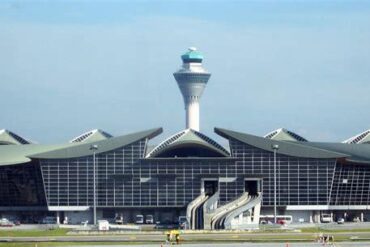
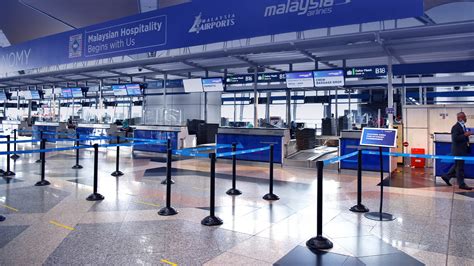
On July 25, 2025, reports emerged detailing the interception of 198 foreign nationals at KLIA. Of these, 128 individuals were found at Terminal 1, predominantly from Bangladesh (123), with others hailing from Pakistan (2), Indonesia (2), and Syria (1). Meanwhile, 70 detainees at Terminal 2 included 51 Indonesians, 13 Indians, 4 Pakistanis, and 2 Vietnamese. The reasons for their refusal of entry varied widely, with many cited for having inadequate means of subsistence, lack of confirmed accommodation, and failure to provide justifiable reasons for travel.
This crackdown reflects a significant increase in scrutiny over international movements into Malaysia, particularly at high-traffic entry points like KLIA. According to Datuk Seri Mohd Shuhaily Mohd Zain, Director-General of AKPS, the immigration act mandates that when a person is rejected entry, the airline crew is responsible for ensuring their return to their home countries. This new layer of responsibility places a burden on airlines, making it imperative that they verify the documentation of passengers before boarding.
Syndicate Connections and Immigration Enforcement
What adds to the gravity of the situation are the alarming findings that some detainees possessed images on their phones linked to an active syndicate. This syndicate is suspected of facilitating illegal immigration attempts, utilizing networks that exploit vulnerabilities in border enforcement. Organized crime has become a pressing challenge for border security, illustrating how criminal organizations adapt and evolve in response to heightened enforcement measures.
The emergence of such syndicates necessitates a militarized approach to border control, emphasizing collaboration with international allies to thwart illegal migration. The recent incidents serve as a sobering reminder for both tourism and immigration officials about the need to balance the welcoming nature of Malaysia with the imperative of ensuring that only legitimate travelers can experience the country’s diverse attractions.
The Effects on Tourism: A Diminished Image
As border checks intensify at KLIA, the implications for Malaysia’s tourism sector are significant. While the tourism industry has been on an upward trajectory, incidents like these could tarnish Malaysia’s reputation as a hospitable destination, particularly for travelers from the countries affected by the recent entry denials. Tourism is a vital economic engine for Malaysia, providing numerous jobs and contributing significantly to the GDP. However, the potential for increased scrutiny may deter some travelers from visiting.
To mitigate concerns, it is crucial for Malaysia to communicate travel requirements clearly and effectively. The tourism board must work proactively to alleviate fears of unexpected delays or entry denials, particularly among potential visitors from Indonesia, India, and Pakistan—countries that have recently faced heightened scrutiny. The hospitality sector, including hotels and restaurants, could also suffer as the influx of international travelers slows, leading to immediate uncertainties for businesses reliant on consistent tourism traffic.
Long-Term Prospects for Malaysia’s Tourism Sector
The challenges witnessed at KLIA reflect broader global trends in tourism, where concerns about security are increasingly influencing traveler behavior. Malaysia’s handling of this situation is poised to have lasting repercussions on its international image, especially regarding its attractiveness as a tourist destination. As the nation emerges from the pandemic, it faces the dual challenge of appealing to tourists while maintaining rigorous border security protocols.
To secure its position as a leading tourist destination in Southeast Asia, Malaysia must adapt to changing travel dynamics. The country should emphasize its rich cultural heritage, breathtaking landscapes, and vibrant offerings while remaining vigilant in enforcing its border policies. Leveraging technology and data-driven solutions can enhance immigration enforcement, ensuring that genuine travelers can navigate entry processes smoothly and without unnecessary complications.
Conclusion: Balancing Security and Tourism Growth
The recent refusal of entry to 198 foreign nationals at Kuala Lumpur International Airport highlights the pressing challenges confronting Malaysia’s tourism and immigration sectors. While the increase in entry denials is essential for addressing illegal immigration concerns, it must be managed delicately to preserve Malaysia’s reputation as a friendly destination for travelers. As global tourism continues to evolve, Malaysia faces the intricate task of upholding national security while extending a warm welcome to international visitors.
The travel industry must embrace advancements in technology and improve communication strategies to assure tourists that Malaysia remains an accessible and appealing destination. By addressing these issues head-on and streamlining border processes, Malaysia can maintain its status as a preferred choice for travelers, all while safeguarding its borders and national security.