A Surprise Upgrade in the Skies—and on the Ground
Airlines compete fiercely in the air, but it is often on the ground where brand loyalty is quietly forged. Malaysia Airlines’ Private Terminal Transfers at Kuala Lumpur International Airport (KUL) represent one of those rare gestures that feels both extravagant and charmingly unnecessary. It is not a time-saving innovation. It is not a logistical breakthrough. It is something subtler: a deliberate act of indulgence.
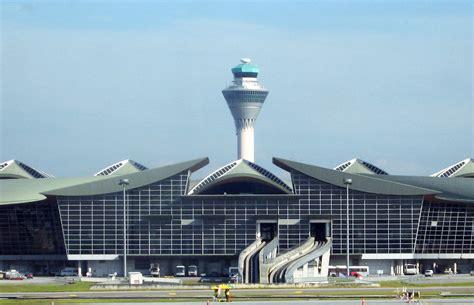
Introduced in early 2024, this private transfer service connects the main terminal building and the satellite building at KUL. Available 24 hours a day to Malaysia Airlines business class passengers and Enrich Platinum members, the service is fully private and accommodates up to four travelers per vehicle. It operates out of Gate G1 in the main terminal, transforming what would normally be a routine inter-terminal transfer into a discreet, chauffeur-driven interlude across the airport apron.
The origins of this service are practical. When Kuala Lumpur International Airport’s Aerotrain—the automated people mover shuttling passengers between terminals—was temporarily shut down for extended repairs, buses replaced it. Malaysia Airlines responded with something more refined for its premium travelers. Yet even after the Aerotrain resumed operations, the private transfers remained. That decision is where this story becomes interesting.
Why Offer a Private Transfer When the Aerotrain Works Perfectly?
The Aerotrain at KUL is efficient, punctual, and remarkably quick. Trains run every few minutes, and the journey between terminals takes only a short time. From a purely rational standpoint, there is no measurable advantage to stepping into a chauffeured car instead.
So why keep it?
The answer likely lies in what hospitality experts call the “halo effect.” A single memorable touch can elevate an entire journey in a passenger’s mind. Private tarmac transfers are typically associated with ultra-premium first class products—think exclusive lounges and luxury ground escorts. Offering such an experience to business class passengers disrupts expectations in a subtle but powerful way. It signals generosity rather than mere adequacy.
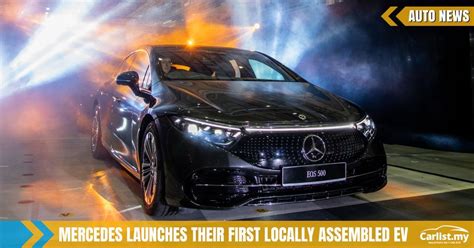
There is also the partnership dimension. The vehicles used for these transfers are Mercedes-Benz EQS 500 4MATIC, fully electric luxury sedans. For Mercedes-Benz, this arrangement places their flagship electric model directly in front of a globally mobile, affluent demographic. For Malaysia Airlines, it enhances brand perception with minimal friction. Luxury, in this case, becomes a shared marketing language.
Finding the Gateway to Exclusivity at Gate G1
The transfer process begins discreetly. In the main section of Terminal 1 at Kuala Lumpur International Airport, passengers eligible for the service walk toward Gate G1, just beyond the duty-free shops and near the Plaza Premium Lounge. There, understated signage reading “MH Private Terminal Transfer” marks the entrance.
A staff member checks boarding passes before directing passengers to an elevator descending to the ground level. The transition feels intentional: from bustling retail corridors to a quieter, semi-private space below.
The waiting area is modest yet comfortable, furnished with cushioned seating and a coffee machine. It resembles a compact lounge rather than a transportation checkpoint. The atmosphere suggests calm preparation rather than hurried transit. While peak-hour waits may vary, the service is structured around exclusivity. Each vehicle departs with only the traveler’s party, reinforcing the sense of personal attention.
Across the Tarmac in Electric Silence
When the moment arrives, the experience becomes cinematic. A Malaysia Airlines staff member assists with luggage, placing bags into the trunk of the waiting Mercedes EQS. Another staff member assumes the role of chauffeur.
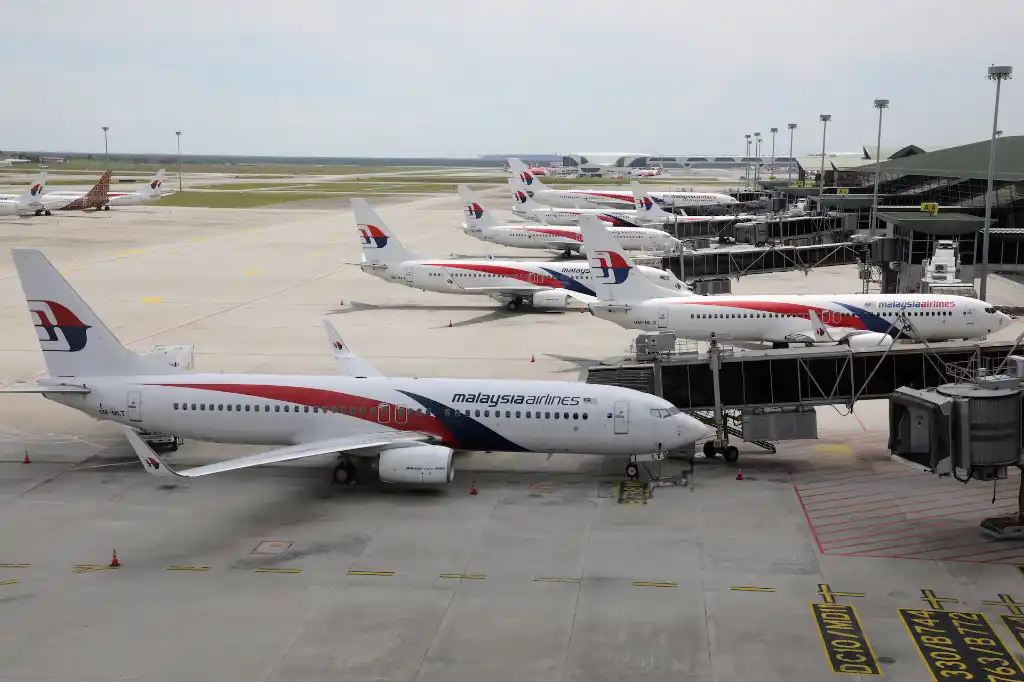
The drive itself lasts roughly three minutes. Yet those three minutes offer a perspective unavailable from the Aerotrain’s enclosed track. Moving across the tarmac, aircraft line the apron in silent formation. Wide-body jets rest between long-haul rotations. Ground crews maneuver equipment beneath floodlights. At night, the scene takes on an almost theatrical glow, as if the airport has briefly become a stage.
The Mercedes-Benz EQS 500 4MATIC glides with electric quietness, reinforcing the sensation of effortlessness. There is no engine rumble, only the subdued hum of motion. Upon arrival at the satellite terminal, the chauffeur retrieves luggage and ensures passengers are smoothly transitioned back into the terminal flow.
It is a small act of choreography, executed with precision.
Delight Over Efficiency: The Psychology of Premium Service
From a logistical standpoint, the service does not outperform the Aerotrain. In fact, during peak periods, waiting for a private vehicle could theoretically take longer than boarding the next automated train.
Yet luxury is rarely about raw efficiency. It is about perceived care. When a traveler steps into a private car rather than a public shuttle, the journey feels personalized. Even if the time saved is negligible—or nonexistent—the memory created is substantial.
Airlines increasingly compete on intangible differentiation. Seats, inflight entertainment systems, and lounge designs are converging in quality. Ground experiences, however, remain fertile ground for creative distinction. By retaining its private terminal transfer service even after the operational necessity ended, Malaysia Airlines signals that this is not merely a contingency plan. It is a brand statement.
An Amenity That Exceeds Its Category
In global aviation, private tarmac transfers are typically reserved for first class passengers flying on select carriers known for extravagance. Business class, while premium, usually stops short of such theatrical gestures. Malaysia Airlines blurs that boundary.
This blurring matters. It elevates the airline’s positioning without dramatically altering its core product. The cabin may remain consistent with competitors, but the narrative of the journey changes. A traveler recounting their experience is more likely to mention being chauffeured across the apron in a Mercedes than boarding an efficient train.
That story has marketing power.
The Quiet Brilliance of Being Unnecessary
The phrase “delightfully unnecessary” captures the paradox perfectly. The service is not required. It does not solve an urgent problem. It does not dramatically reduce transit time. Yet it enriches the journey in a way that spreadsheets cannot quantify.
Luxury often lives in that gap between need and want. When an airline chooses to maintain a service that exceeds functional requirements, it communicates abundance rather than austerity. In a region where aviation competition is intense, such gestures subtly reinforce prestige.
Malaysia Airlines’ decision to continue its private terminal transfers at Kuala Lumpur International Airport demonstrates an understanding that emotional resonance can outweigh operational logic. In an industry obsessed with metrics, this small indulgence feels refreshingly human.
A Memorable Touch in Modern Aviation
Air travel has become increasingly standardized. Digital check-ins, biometric gates, automated systems—efficiency dominates the narrative. Against that backdrop, stepping into a private electric Mercedes for a short drive across the airfield feels almost rebellious in its elegance.
It transforms a routine terminal change into a moment of theater. It turns a simple connection into a story worth telling. And it proves that sometimes the most powerful luxury is not the one that saves time, but the one that makes time feel special.
In the end, Malaysia Airlines’ private terminal transfer service may not be necessary. But it is memorable. And in aviation, memory is currency.