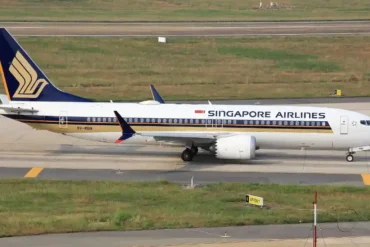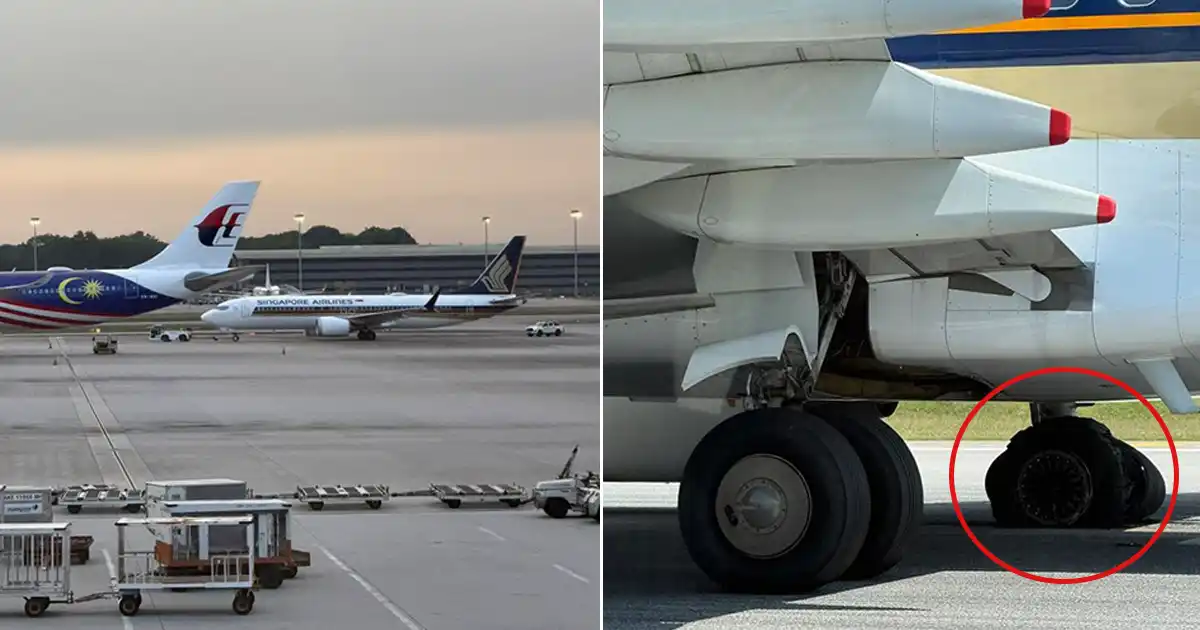
Singapore Airlines flight SQ114 experienced an unusual landing incident at Kuala Lumpur International Airport (KLIA) on June 13 when a Boeing 737 MAX 8 suffered a double tire failure during touchdown, leaving the aircraft stranded on the runway and forcing airport authorities to close one of the airport’s key runways for more than six hours.
Although no injuries were reported among the passengers or crew, the event created significant operational challenges at one of Southeast Asia’s busiest aviation hubs. The aircraft, operating a routine regional service from Singapore Changi Airport to Kuala Lumpur, was unable to vacate the runway after both tires on the left main landing gear were damaged during landing.
Singapore Airlines later confirmed that all 147 passengers and eight crew members onboard were safe. However, the damaged aircraft required a specialized recovery operation before normal runway operations could resume, highlighting how even a relatively contained technical incident can have a substantial impact on airport capacity and flight schedules.
The incident quickly attracted attention across the aviation community after photographs and videos circulated online showing visible damage to the left-side landing gear assembly. The aircraft remained stationary on the runway while emergency personnel, engineers, and airport operations teams assessed the situation.
Double Tire Failure Occurs During Landing At KLIA
According to reports, flight SQ114 landed at Kuala Lumpur International Airport at approximately 1:27 PM local time. During or immediately after touchdown, both tires on the aircraft’s left main landing gear reportedly failed, preventing the aircraft from continuing taxi operations.
Modern commercial aircraft tires are engineered to withstand extraordinary stresses. Every landing places immense loads on the landing gear as an aircraft transitions from flight to ground operations. Boeing’s 737 MAX series incorporates a multi-wheel landing gear design that provides redundancy and enhances operational safety even when tire damage occurs.
Despite these safeguards, the simultaneous failure of two tires on the same landing gear assembly remains relatively uncommon. Such incidents typically trigger detailed inspections involving the tires, wheel assemblies, brakes, landing gear components, and runway surface conditions.
Airport emergency teams responded rapidly after the aircraft came to a stop. Safety procedures required authorities to secure the area and carefully evaluate the condition of the aircraft before passengers could disembark.
Singapore Airlines stated that because the Boeing 737-8 needed to be towed from the runway to a remote parking position for repairs and inspections, passengers were transported to the terminal by bus after safely leaving the aircraft.
The airline emphasized that passenger and crew safety remained uncompromised throughout the event.
Runway Closure Creates Operational Disruptions
The disabled aircraft’s location on the runway created an immediate operational challenge for Kuala Lumpur International Airport. Authorities closed Runway 14R/32L while recovery crews worked to remove the aircraft and inspect the surrounding area.
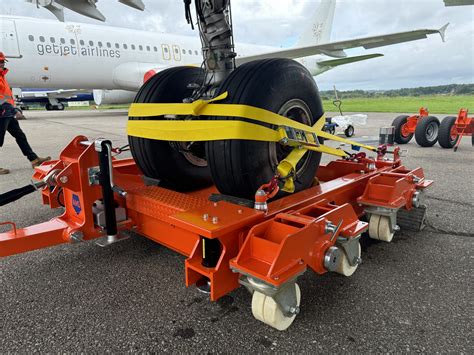
Aircraft recovery operations involving landing gear damage are often complex and time-consuming. Before a disabled aircraft can be moved, specialists must ensure that towing procedures will not cause additional structural damage. Engineers also need to verify that the landing gear can safely support the aircraft during recovery.
At the same time, airport personnel must inspect the runway for debris, tire fragments, rubber residue, or potential surface damage that could present hazards to other aircraft.
As a result, the runway remained unavailable for more than six hours. While KLIA continued operating with its remaining runways, the temporary loss of one-third of its runway capacity inevitably affected traffic flow throughout the airport.
Arrivals and departures required revised sequencing, forcing air traffic controllers and airline operations teams to adapt schedules during a busy period of daily operations. Such disruptions can create ripple effects extending beyond the airport itself, affecting aircraft rotations, crew scheduling, and passenger connections.
The runway was eventually reopened later that evening after the aircraft had been removed and comprehensive safety inspections were completed.
Why Runway Availability Matters At Kuala Lumpur International Airport
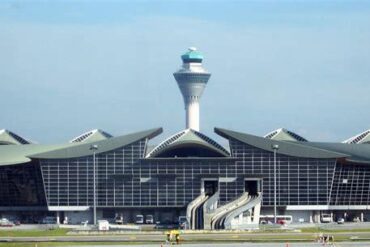
Kuala Lumpur International Airport serves as Malaysia’s principal international gateway and ranks among the most important aviation hubs in Southeast Asia.
Located approximately 45 kilometers south of central Kuala Lumpur, the airport operates a three-runway system specifically designed to accommodate high volumes of passenger and cargo traffic. The facility serves as a major base for Malaysia Airlines, AirAsia, Batik Air Malaysia, and numerous international carriers connecting Asia, Europe, the Middle East, and Oceania.
With passenger traffic exceeding 63 million travelers during 2025, maintaining full runway availability is essential to preserving operational efficiency.
Even with multiple runways available, the closure of a single runway can significantly reduce flexibility for controllers managing aircraft arrivals and departures. During peak periods, every runway contributes to maintaining smooth traffic flow and minimizing delays.
Airport authorities therefore conduct extensive inspections following any runway incident. These checks include examinations of pavement integrity, runway lighting systems, navigational equipment, markings, and foreign object debris that could pose risks to subsequent flights.
The Role Of The Boeing 737 MAX In Singapore Airlines’ Network
The aircraft involved in the incident was a Boeing 737 MAX 8, one of the most important narrowbody aircraft types within Singapore Airlines’ regional fleet.
Unlike the airline’s larger Airbus A350 and Airbus A380 aircraft that primarily operate long-haul services, the 737 MAX is designed for short- and medium-haul routes throughout Southeast Asia and neighboring regions.
The Boeing 737 MAX family represents the latest evolution of Boeing’s long-running 737 program. Equipped with advanced CFM LEAP-1B engines, improved aerodynamics, and modern avionics systems, the aircraft offers enhanced fuel efficiency and lower operating costs compared with earlier generations.
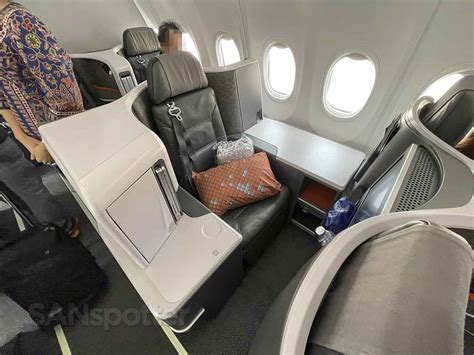
Singapore Airlines inherited much of its Boeing 737 fleet through the integration of SilkAir into the mainline carrier. Following the merger, the airline invested in cabin upgrades and service enhancements to align the aircraft more closely with its premium brand standards.
Today, the carrier operates more than 20 Boeing 737 MAX 8 aircraft, deploying them on high-frequency regional routes including Kuala Lumpur, Bangkok, Phuket, Jakarta, and numerous other destinations across Asia-Pacific markets.
While the exact cause of the tire failure remains subject to technical investigation, the incident serves as a reminder that even modern aircraft equipped with advanced safety systems can occasionally experience operational issues that require swift coordination between airlines, airport authorities, engineers, and emergency response teams. Thanks to established aviation safety procedures, the event concluded without injuries, allowing passengers and crew to continue their journeys safely despite the significant disruption caused at one of the region’s busiest airports.