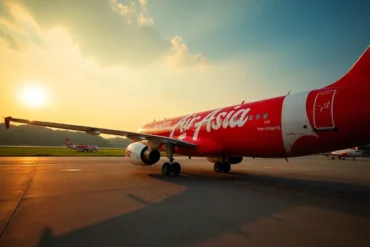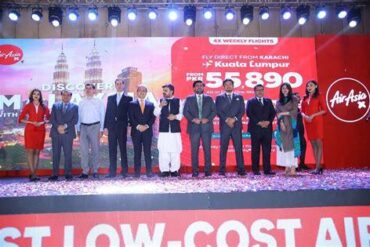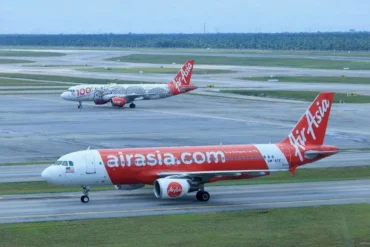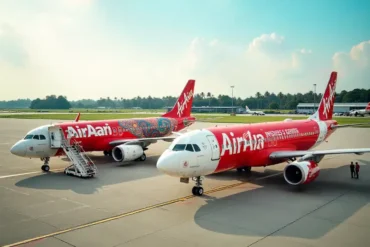
Air travel between Southeast Asia and Australia’s Northern Territory has taken a significant leap forward with the launch of AirAsia’s new direct route from Kuala Lumpur to Darwin. As of 27 June 2025, the low-cost carrier has commenced four weekly flights connecting Malaysia’s bustling capital to the laid-back yet culturally rich city of Darwin, opening new avenues for tourism, trade, and regional collaboration.
This strategic addition to AirAsia’s growing network is more than just a new destination—it represents a calculated move to bolster the airline’s influence in the Australia-Asia aviation corridor, while also responding to increasing passenger demand in both directions. The inaugural flight, AK612, took off from Kuala Lumpur International Airport Terminal 2 (KLIA2) at 05:55 and landed in Darwin International Airport at 12:35 local time, concluding a smooth five-hour, ten-minute journey.
Direct Kuala Lumpur-Darwin Flights: A Game-Changer for Regional Travel
The Kuala Lumpur–Darwin route marks a notable milestone in AirAsia’s plan to enhance connectivity between Southeast Asia and Australia, particularly the under-served Northern Territory. Darwin, the capital of this region, holds enormous potential for tourism, education, and business sectors. By providing a direct, cost-effective link, AirAsia bridges two economic and cultural hubs, offering a route that is both strategically important and operationally efficient.
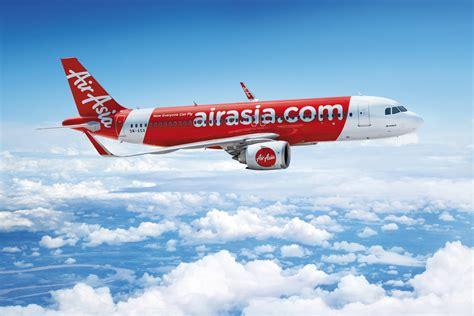
The Airbus A320neo, used for this service, reflects AirAsia’s commitment to sustainability. This fuel-efficient aircraft not only reduces carbon emissions but also delivers a more comfortable in-flight experience. With advanced aerodynamics and reduced noise levels, the A320neo stands as a modern solution to regional air travel that is both eco-conscious and passenger-friendly.
Schedule and Frequency: Four Weekly Options for Seamless Travel
The Kuala Lumpur-Darwin flights are now a regular feature of AirAsia Malaysia’s operations. The schedule is tailored to provide flexibility for both leisure and business travelers, with departures on:
- Mondays
- Wednesdays
- Fridays
- Sundays
Outbound flight AK612 departs KLIA2 at 05:55 and arrives in Darwin at 12:35. The return leg, AK613, takes off from Darwin at 13:10 and lands in Kuala Lumpur at 16:50. This timing allows travelers ample options for weekend getaways, midweek business visits, or extended holidays.
Tourism Boost for the Northern Territory and Malaysia
This new route is expected to play a pivotal role in increasing the flow of international visitors, especially as the post-pandemic travel rebound gains momentum. In 2024 alone, Malaysia welcomed 447,785 Australian visitors, a figure that not only represents an 11.7% increase over 2023 but also surpassed pre-pandemic levels by 6.3%. The Darwin service is poised to build on this success, offering Australian tourists a direct, affordable way to explore Malaysia’s diverse offerings, from Penang’s street food to the highlands of Sabah.
Conversely, Darwin and its surrounding regions offer a compelling proposition for Malaysian travelers. The Northern Territory’s rich Aboriginal heritage, rugged landscapes, and unique wildlife are unlike anything found in Southeast Asia. For travelers seeking authentic outback experiences, the five-hour journey now places them at the doorstep of Kakadu National Park, Litchfield’s waterfalls, and vibrant night markets.

Economic and Trade Benefits Across Borders
Beyond tourism, the new Kuala Lumpur-Darwin link has strong economic implications. Darwin is a gateway to key industries including mining, education, agriculture, and defense. Easier access enables Malaysian businesses to explore new trade opportunities in the Australian market while giving Australian firms more connectivity to Southeast Asia’s economic hub. With direct flights, companies can now pursue face-to-face meetings, academic partnerships, and export arrangements more frequently and at lower cost.
Additionally, with over 1,488 seats per week now available on this route, the added capacity ensures ample room for not just tourists, but also students, seasonal workers, and investors, further solidifying ties between the two regions.
Special Launch Fares and Booking Flexibility
To promote the new service, AirAsia has launched attractive introductory fares. One-way tickets from Kuala Lumpur to Darwin are available from MYR319, while return flights from Darwin to Kuala Lumpur start at AUD219. These special prices are available until 6 July 2025, with travel valid through to 27 March 2026, making it an ideal time for travelers to secure budget-friendly international travel plans.
Bookings can be made via airasia.com or the AirAsia MOVE app, a platform that integrates flight bookings, hotel stays, and travel planning tools into a seamless user experience. With a few taps, travelers can arrange full itineraries, including accommodations and airport transfers, directly through the app.

Part of a Broader Expansion Strategy
The Darwin route is not an isolated development. It coincides with the launch of the Bali–Adelaide route by AirAsia Indonesia just a day earlier, on 26 June 2025. Both additions demonstrate AirAsia’s renewed focus on deepening its presence in the Australia-Asia travel market. By diversifying its destinations and strengthening air bridges across the region, the airline continues to cement its position as a leader in low-cost international aviation.
This strategy is particularly significant given the surging demand for non-stop, direct flights between medium-sized cities, which offer travelers a more relaxed, efficient alternative to traditional mega-hub transit routes. It is a recognition of the growing appetite for point-to-point international travel, a trend fueled by digital nomads, remote workers, and experience-driven explorers.
Sustainability and Innovation in Flight Operations
AirAsia’s use of the Airbus A320neo is a noteworthy component of this new route. The aircraft delivers 20% fuel savings, reduced emissions, and longer range capabilities, aligning with the airline’s sustainability goals. This efficiency not only benefits the environment but also contributes to lower operating costs, enabling the airline to pass savings on to passengers through more affordable fares.
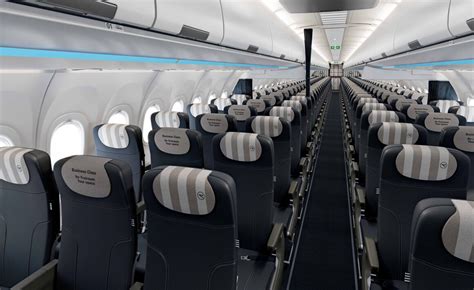
The A320neo is configured to ensure a streamlined boarding process, spacious overhead compartments, and improved cabin air systems—features that matter on mid-range flights like the KL-Darwin leg. It also integrates advanced avionics and quieter engines, enhancing the overall passenger experience.
Implications for Regional Connectivity and Cultural Exchange
In the broader geopolitical and cultural context, this new connection is a symbol of growing integration between Malaysia and Australia. Beyond commerce and leisure, such routes play a role in fostering people-to-people ties, enabling deeper understanding through tourism, student exchanges, and joint ventures. The convenience of this route encourages weekend tourism, impromptu business trips, and increased cultural immersion, especially between cities that were previously linked only by indirect routes or costly options.
As Asia-Pacific regions continue to redefine their connectivity in a post-pandemic world, routes like Kuala Lumpur to Darwin illustrate a new era of regional air travel—smarter, greener, and more attuned to the mobility needs of modern travelers.
Looking Ahead: A Win-Win for Passengers and the Industry
With four weekly frequencies, competitive fares, and operational efficiency through the A320neo fleet, the Kuala Lumpur–Darwin route is poised for success. It reflects AirAsia’s capacity to adapt and grow, while serving the evolving demands of both Southeast Asian and Australian travelers. As both regions experience rising tourism figures and rekindled economic ties, this new direct flight acts as a vital link supporting that growth.
AirAsia has once again demonstrated its flair for disruptive innovation in aviation, balancing affordability with ambition, and delivering real value to travelers and stakeholders alike. As the skies between Malaysia and the Northern Territory grow busier, expect this route to become a cornerstone of bilateral mobility and exchange for years to come.