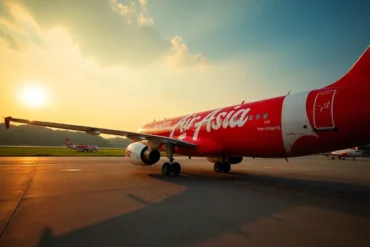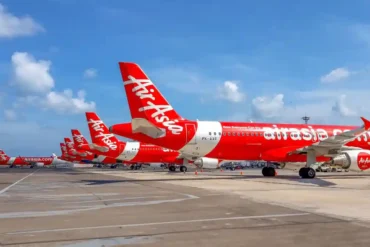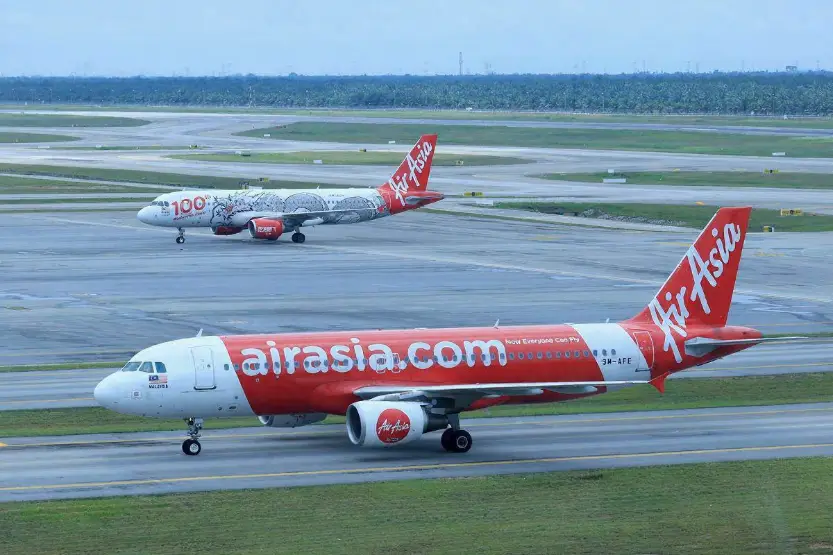
On September 12, 2025, AirAsia Malaysia will officially inaugurate its direct flights to Pontianak, connecting both Kuala Lumpur and Kuching to the capital city of West Kalimantan, Indonesia. This pivotal move not only reinforces AirAsia’s dominance in regional aviation but also ushers in a new era of strategic connectivity between Malaysia and Indonesia.
Expanding AirAsia’s Regional Influence with Pontianak Connectivity
With the launch of this route, AirAsia becomes the only international airline operating direct flights to Pontianak, affirming its position as the leading low-cost carrier in Southeast Asia. This development adds further weight to AirAsia’s ongoing expansion across Indonesia, with 17 destinations now under its network and 223 weekly flights connecting the two nations. These efforts align with the airline’s broader objective to capture emerging travel markets and boost its presence in underserved regions.
The Pontianak route follows AirAsia’s recent expansions, including the fly-thru service to Palembang launched in July 2025 and the upcoming Kuala Lumpur–Semarang route, also set for September. Each addition is a tactical maneuver designed to bolster both tourism and commercial ties in the ASEAN region, tapping into previously untapped opportunities for cross-border exchanges.
Strengthening Bilateral Tourism Goals Through Direct Access
Malaysia and Indonesia share long-standing cultural, economic, and historical ties, and the enhancement of direct air routes is a tangible step toward deeper integration. In 2025, Malaysia aims to attract 4.3 million Indonesian tourists, while Sarawak targets five million visitors. Indonesia, for its part, is pursuing an ambitious goal of 16 million international arrivals, with Malaysia ranked among the top source countries.
Pontianak’s geographical proximity to Sarawak—coupled with improved air access—makes it an ideal gateway for weekend getaways, medical travel, business visits, and cultural immersion. The direct flights cater to diverse passenger needs, offering affordability and efficiency for travelers who might previously have faced time-consuming transit journeys.
Economic Advantages: Boosting Trade, Tourism, and Healthcare
These new routes have a dual function: they act as bridges for tourism inflows and as conduits for economic and healthcare exchanges. West Kalimantan, especially Pontianak, is expected to witness a surge in tourist traffic from Malaysia. With Kuching’s growing reputation as a hub for advanced medical services, medical tourism is poised to become a key growth sector.
This move will also unlock new channels for bilateral trade, particularly for SMEs seeking cross-border partnerships. Enhanced logistics and increased footfall will stimulate retail, hospitality, and service sectors in both Pontianak and the Malaysian cities it now connects to.
Affordable Fare Structures to Drive Passenger Volume
AirAsia’s fare strategy is integral to the success of these routes. One-way tickets start from RM149 (Kuching to Pontianak) and RM159 (Kuala Lumpur to Pontianak), with return fares from Pontianak priced at IDR467,371 and IDR499,000, respectively. These prices are designed to attract budget-conscious travelers, including students, families, small business owners, and healthcare seekers.
By maintaining its core philosophy of low-cost accessibility, AirAsia ensures that even secondary cities like Pontianak can be placed firmly on the travel map, promoting inclusive regional mobility.
Pontianak’s Tourism Potential: An Emerging Destination
Pontianak, straddling the equator, is an underrated gem with a wealth of attractions catering to cultural and eco-tourism enthusiasts. Among the key highlights is the Equator Monument, where visitors can literally stand on the equator line—a unique geographical experience that appeals to both domestic and international tourists.
The scenic Kubu Beach, where the Kapuas River meets the South China Sea, offers a tranquil retreat that blends natural beauty with local charm. Tourists can immerse themselves in Pontianak’s rich Chinese-Malay heritage, visible in its architecture, community life, and culinary traditions. Signature dishes like kwetiau (stir-fried flat noodles), ikan bakar (grilled fish), and Siauw Yong (Chinese-style fried rice) are must-tries.
Beyond attractions, the city’s warm hospitality, vibrant markets, and festive calendar promise an enriching cultural experience that mirrors the broader diversity of Indonesia.
Operational and In-Flight Services Tailored for Convenience
AirAsia has streamlined operations to ensure a hassle-free travel experience. Economy class passengers are entitled to 20 kg of checked baggage and 7 kg of hand-carry allowance, covering the needs of both short and extended visits. The airline also provides in-flight meals, including halal-certified options, catering to the diverse dietary requirements of its Southeast Asian clientele.
The booking platform has been optimized to handle the anticipated surge in demand, ensuring that travelers can access seamless reservations, customizable services, and real-time flight updates through AirAsia’s app and website.
Catalyzing a Post-Pandemic Travel Rebound
As global travel continues its post-pandemic recovery, the re-opening of regional routes is critical. AirAsia’s timing is strategic: international mobility is rebounding, but competition for travelers is fierce. By identifying and activating underutilized routes like Pontianak, AirAsia is not only diversifying its portfolio but also stimulating demand in less saturated corridors.
The Kuching and Kuala Lumpur–Pontianak routes exemplify a forward-thinking aviation model, one that prioritizes both commercial viability and regional development. For travelers, this represents a chance to explore new frontiers, for businesses it opens fresh channels, and for governments, it contributes to bilateral economic resilience.
A Model for ASEAN Regional Integration
The implications of these new routes extend beyond simple convenience—they are emblematic of ASEAN’s vision for integrated regional infrastructure. Air connectivity is a cornerstone of ASEAN’s broader framework for economic cooperation, people-to-people linkages, and cultural diplomacy. The Kuala Lumpur–Pontianak and Kuching–Pontianak flights are tangible, impactful steps in realizing that vision.
As AirAsia continues to expand its Indonesia portfolio, each new connection contributes incrementally to a more unified Southeast Asian travel network, making it easier for citizens, entrepreneurs, and tourists to move across borders in search of opportunities.
Final Thoughts: A Strategic Leap for Malaysian and Indonesian Aviation
The inauguration of direct flights to Pontianak symbolizes more than just new air routes—it marks a deliberate strategic leap in how two neighboring nations envision mobility, connectivity, and mutual prosperity. With its affordable fares, passenger-centric services, and commitment to underserved routes, AirAsia is once again demonstrating its ability to drive growth beyond conventional markets.
For Malaysia and Indonesia, the benefits are multidimensional: stronger tourism flows, expanded business frontiers, heightened healthcare collaboration, and a deeper mutual understanding between communities. For travelers, Pontianak is no longer an obscure dot on the map—it is a new frontier, readily accessible, culturally rich, and economically vital.
AirAsia’s direct routes to Pontianak are not just flights—they are bridges to a future of regional harmony, shared success, and infinite possibility.