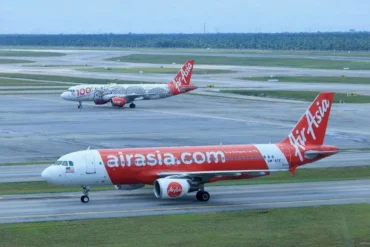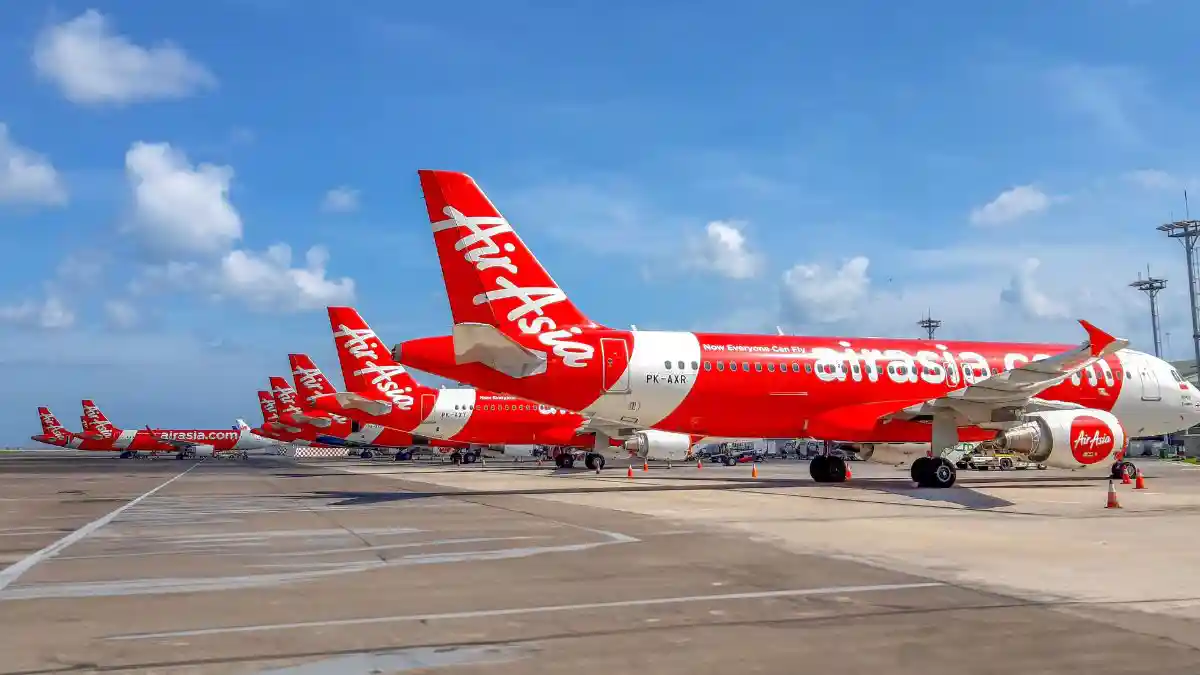
Indonesia’s tourism industry has taken another strategic leap forward with the launch of Indonesia AirAsia’s new direct route from Adelaide to Denpasar, Bali, inaugurated on June 26, 2025. This critical addition strengthens bilateral travel between Australia and Indonesia, particularly by boosting accessibility to Bali and other emerging Indonesian destinations. The route is already being heralded as a vital pillar of Indonesia’s long-term tourism ambitions, as the archipelago intensifies its efforts to position itself as a premier travel hub for international visitors.
A Strategic Gateway Linking South Australia to Bali
The Adelaide-Denpasar service arrives at a crucial time when global travel is rebounding. Operating four times a week—Mondays, Tuesdays, Thursdays, and Saturdays—this route offers a direct, convenient, and cost-effective option for South Australian travelers. It is not merely another connection on the map; it’s a deliberate initiative backed by the Indonesian Ministry of Tourism to deepen ties with Australia, one of Indonesia’s most significant inbound markets.
According to Ni Made Ayu Marthini, Deputy for Marketing at the Ministry, Indonesia AirAsia remains a “strategic partner” in executing the nation’s broader tourism strategy. This route follows the successful Darwin-Denpasar route introduced in March 2025, making it Indonesia AirAsia’s fourth connection between the two nations. The route is not only expected to ease access to Bali but to act as a conduit for travelers to explore other priority destinations under the nation’s sustainable tourism agenda.
Expanding Tourism Beyond Bali: A Hub and Spoke Strategy
The importance of Bali cannot be overstated. The island continues to magnetize Australian tourists, thanks to its beach resorts, spiritual retreats, vibrant arts scene, and unique culinary experiences. However, the real breakthrough lies in how the new Adelaide-Bali route supports the Ministry’s vision to decentralize tourism. The aim is clear: drive Australian visitor traffic beyond Bali into equally spectacular but less frequented destinations like Lombok, Yogyakarta, Medan, and Labuan Bajo.
These regions are part of Indonesia’s “10 New Balis” initiative, which seeks to develop new tourist hubs to decrease over-tourism in Bali while increasing economic activity in underdeveloped regions. For example, Labuan Bajo, known as the gateway to Komodo National Park, is experiencing a surge in interest from eco-tourists and adventure seekers. Similarly, Lombok’s pristine beaches and tranquil landscapes are attracting Australians in search of alternative island escapes.
Record-Breaking Arrival Numbers Reinforce Confidence
Tourism data paints a compelling picture. In 2024, Indonesia welcomed 1.67 million Australian visitors, a 17% increase from the previous year. The growth continued in early 2025, with 474,277 Australians visiting Bali from January through April, up 7% from the same period in 2024. These figures demonstrate not only the enduring appeal of Bali but also a pent-up demand for leisure travel among Australians.

The Ministry has set its sights on attracting 1.9 million Australian tourists by the end of 2025, and the Adelaide-Denpasar route is expected to play a pivotal role. According to projections by Captain Achmad Sadikin Abdurachman, Acting President Director of Indonesia AirAsia, the new route could bring in over 74,000 Australian tourists annually. That’s not just a number—it translates to millions in tourism revenue, cultural exchange, and job creation in Indonesia’s tourism sector.
AirAsia’s Regional Network: Amplifying Access and Affordability
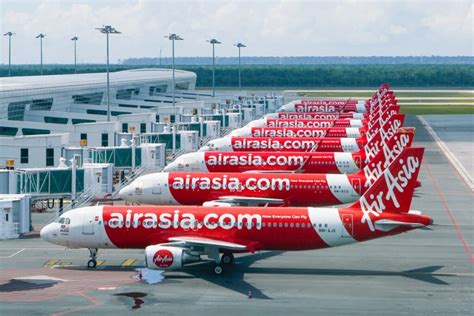
Indonesia AirAsia has not only positioned itself as a low-cost carrier but as a facilitator of regional mobility. With its expansive network across Asia, Australian tourists landing in Bali via Adelaide can seamlessly connect to over 130 destinations, ranging from Jakarta and Surabaya to Kuala Lumpur and Bangkok. This makes the airline an enabler of multi-country travel experiences, appealing particularly to millennial and Gen Z travelers who crave cultural diversity on a budget.
AirAsia’s decision to use Bali as a transit hub reflects its commitment to capitalizing on Bali’s existing tourism infrastructure while supporting Indonesia’s vision of making the island a launchpad to wider adventures. The airline’s integration of digital platforms for easy bookings, combined with affordable fares, aligns with shifting consumer expectations in post-pandemic travel.
Strengthening Bilateral Ties Through Tourism
Tourism has long been a cornerstone of Australia-Indonesia relations, but this new route reaffirms the mutual intent to deepen these ties. The Adelaide-Bali service not only facilitates easier travel but also promotes people-to-people connectivity, shared business opportunities, and academic and cultural exchanges. These aspects are critical in today’s world, where travel has evolved beyond simple leisure into avenues of diplomacy, collaboration, and mutual growth.

According to Marthini, the Ministry is committed to ensuring that every flight arriving from Australia enriches both nations. She emphasized that easier, affordable access leads to longer tourist stays and increased spending, directly benefiting Indonesia’s tourism-dependent local economies. Every visitor contributes to a complex value chain that includes local guides, artisans, restaurants, transportation providers, and cultural performers.
Sustainability at the Core of Indonesia’s Tourism Vision
Behind all the numbers and headlines lies a firm commitment to sustainable tourism. The Indonesian government is actively working to ensure that its tourism expansion does not come at the cost of its environment or cultural heritage. From mandating eco-friendly tourism practices in Komodo National Park to encouraging plastic-free initiatives in Bali, Indonesia is striving to build a tourism model that is both economically robust and environmentally conscious.
This is particularly important given the surge in Australian tourists. The focus is on responsible tourism—encouraging visitors to respect local traditions, support community-based tourism projects, and minimize their environmental footprint. Tour operators working with Australian travelers are being trained in best practices for sustainable travel, ensuring that growth aligns with ethical principles.
Outlook: A New Era of Tourism Connectivity
The Adelaide-Denpasar route is more than a new flight. It’s a symbol of Indonesia’s rising prominence in the global tourism arena and a marker of what’s to come. The strategic partnership between Indonesia AirAsia and the Tourism Ministry demonstrates how public-private collaboration can unlock new pathways to economic development and international visibility.
As global air travel rebounds, countries like Indonesia that proactively invest in connectivity and infrastructure will reap the benefits. With initiatives like these, Indonesia is not just reacting to tourism trends—it is setting them. The path forward includes more routes, more partnerships, and a stronger presence in key markets like Australia.
Conclusion: Building Momentum, Beyond Borders
The launch of Indonesia AirAsia’s Adelaide-Bali service marks a defining moment in Southeast Asia-Pacific tourism relations. It offers Australians in South Australia and beyond a fresh, convenient way to explore Indonesia’s depth and diversity, while helping Indonesia realize its vision of balanced, inclusive, and sustainable tourism.
Bali remains the heartbeat of Indonesian tourism, but the real success of this route lies in how it extends that heartbeat to the furthest corners of the archipelago. From the serene shores of Lombok to the dragon-laden islands of Labuan Bajo, the Adelaide route is a gateway not just to Bali, but to the soul of Indonesia.