Thai AirAsia has taken a monumental leap in regional connectivity with the inauguration of its first-ever direct service from Phuket, Thailand to Medan, Indonesia, reinforcing its strategic role in Southeast Asian air travel. The launch underscores not just the airline’s growth ambitions, but also Thailand’s increasing prominence as an ASEAN gateway.
The maiden flight, which arrived at Phuket International Airport to a festive welcome, carried a full load with a load factor surpassing 95%, demonstrating significant passenger demand between the two tourism-rich cities. The celebratory arrival was organized with the combined efforts of the Tourism Authority of Thailand (TAT), Phuket International Airport, and the Indonesian Consulate in Songkhla, reflecting the route’s diplomatic and commercial importance.

Strategic Importance of the Phuket-Medan Route
The launch of this direct air bridge between Phuket and Medan is more than a new route—it’s a strategic milestone aimed at unlocking tourism growth and regional economic integration. Medan, as the capital of North Sumatra and one of Indonesia’s largest urban centers, serves as a vibrant cultural and economic nucleus. Meanwhile, Phuket continues to evolve as one of Thailand’s most prominent global tourism hubs.
Ms. Tansita Akrarittipirom, Head of Commercial for Thai AirAsia, emphasized the long-term potential of this route, saying, “The near-capacity first flight is a testament to the potential of this route, which we believe will continue to grow and serve as a strong driver for tourism and economic activity in both regions.”
The four-times-weekly service—operating on Mondays, Wednesdays, Fridays, and Sundays—adds a new dimension of flexibility and accessibility for travelers, especially leisure tourists seeking multi-destination holidays or short getaways.
Building Phuket as an ASEAN Aviation Powerhouse
The addition of this route reinforces Thai AirAsia’s long-term vision of making Phuket a regional aviation hub. Mr. Arun Lilapantisitti, Phuket Station Manager for Thai AirAsia, articulated the economic and community-driven benefits of the new connection. He noted, “Most of our AirAsia staff based in Phuket are also from the local community and nearby provinces. We are all very proud to play a part in AirAsia’s growth here in Phuket.”
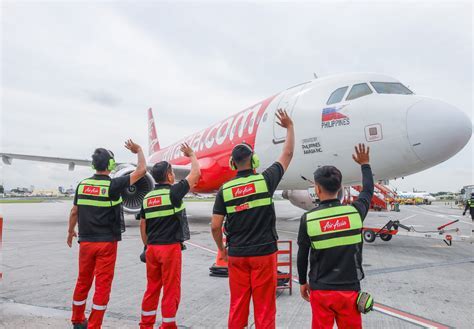
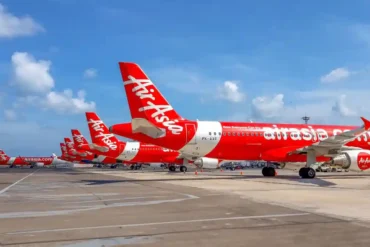
Currently, Phuket serves as Thai AirAsia’s third major operational base after Don Mueang and Suvarnabhumi airports in Bangkok. The airline has stationed two Airbus A320 aircraft at the island’s airport, which now connects Phuket with an expanding international network:
- Chennai and Kochi – 3 flights per week
- Kolkata – 7 flights per week
- Siem Reap – 3 flights per week
- Medan – 4 flights per week
This expansion brings the total number of international destinations from Phuket to five, signifying a strategic shift from domestic dependency to broader regional connectivity.
AirAsia’s Airbus A320: The Workhorse of Regional Expansion
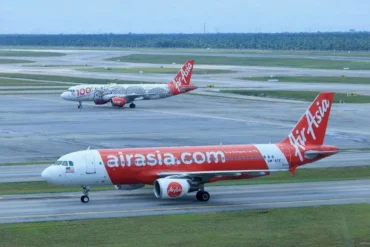
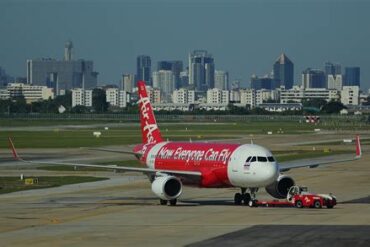
The route is serviced by the Airbus A320, Thai AirAsia’s flagship narrow-body aircraft. This aircraft type offers the right blend of efficiency, capacity, and range for medium-haul regional routes. With a seating configuration optimized for quick turnarounds and cost-effective operations, the A320 ensures that both value and frequency are delivered to customers.
The A320’s capacity is perfectly suited to the high-density travel demand typical of Southeast Asia’s intra-regional routes. With the Medan–Phuket segment being just under two hours in duration, passengers can expect a comfortable, efficient, and affordable travel experience that suits both leisure and business travelers.
Medan and Phuket: A Tourism Match Made in ASEAN
The pairing of Medan and Phuket on a direct air route is not coincidental. Both cities share strong credentials in cultural richness, natural beauty, and tourism-driven economies. Medan’s access to Lake Toba, one of Southeast Asia’s largest and most scenic lakes, is a major draw for Thai tourists looking to explore Indonesia beyond Bali and Jakarta. Likewise, Phuket’s appeal—ranging from crystal beaches and island hopping to luxury resorts and vibrant nightlife—is magnetic for Indonesian travelers.
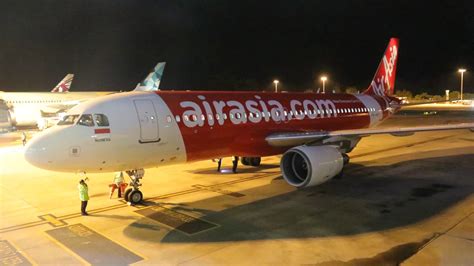
The new route allows for weekend escapes, festival travel, and holiday season migrations, breathing fresh energy into ASEAN’s intra-regional tourism ecosystem. Thai AirAsia’s move also aligns with broader ASEAN tourism strategies aimed at creating multi-country packages and enhancing cultural exchange between member nations.
Tapping into Indonesia’s Growing Middle Class
Indonesia’s burgeoning middle class, bolstered by years of economic growth, has been increasingly eager for international travel. Cities like Medan, with their urban, upwardly mobile populations, are prime catchments for short-haul outbound tourism. With AirAsia offering affordable price points and frequent schedules, more Indonesian families, students, and small business owners are expected to consider Thailand as a primary holiday destination.
Furthermore, the dual benefit of leisure and business travel makes this route commercially viable. Medan has a rising number of entrepreneurs and SMEs engaged in cross-border trade, education, and professional services, many of whom will benefit from direct access to southern Thailand’s growing commercial sphere.
Thailand as an ASEAN Connectivity Leader
Thailand’s strategy to cement its status as a regional aviation and logistics hub is gaining traction. Through partnerships with private carriers like AirAsia, Thailand is enhancing its air connectivity infrastructure not just for inbound tourism, but also for two-way regional mobility.
Phuket’s elevation as an international hub is part of this national policy vision. The island is being rebranded beyond its sun-and-sand image to serve as a multi-functional airport city, capable of hosting conferences, MICE events, and business incubators, while also managing growing volumes of tourist traffic.
Skytrax Recognition: A Vote of Global Confidence
The launch comes on the heels of AirAsia being named the World’s Best Low-Cost Airline by Skytrax for the 16th consecutive year, a recognition that validates its business model, customer service, and global competitiveness. This latest accolade further enhances passenger trust and will likely encourage even more bookings on the newly launched route.
This award-winning consistency also makes Thai AirAsia a reliable partner for regional development. By maintaining high standards at low costs, the airline helps democratize air travel, opening access for millions who previously viewed international flying as out of reach.
Looking Forward: Growth Beyond the Launch
Thai AirAsia’s direct Medan–Phuket service is more than a milestone; it’s a template for future cross-border expansions. With over 650 million people in ASEAN and a rapidly urbanizing population, regional air routes that link second-tier cities—like Medan and Phuket—are likely to define the next wave of aviation growth.
In the near term, the route is expected to boost:
- Hotel occupancy rates in Phuket, particularly from Indonesian travelers
- Retail and service sector spending tied to short-stay tourism
- Employment opportunities for local Thais through expanded airport and airline operations
Longer-term impacts could include increased investment collaboration between southern Thailand and North Sumatra, as well as deeper cultural and academic exchange.
The frequency of the route may increase based on seasonal demand and early performance metrics, with potential for upgauging to larger aircraft or even adding connections to other Indonesian cities like Bandung or Yogyakarta.
Conclusion: A Crossroads for Regional Air Travel
The Phuket–Medan route represents a turning point in how airlines, governments, and the traveling public view Southeast Asian connectivity. It’s a sign that airline strategy is shifting from capital-centric hubs to diversified, regionalized routes that offer greater flexibility, inclusivity, and economic potential.
Thai AirAsia’s decision to invest in this route is both a commercial risk and a visionary move, driven by a deep understanding of ASEAN’s travel trends and demographic transformations. If initial results are any indicator, the Phuket–Medan direct service may soon become a regional success story, one that inspires similar ventures across the ASEAN aviation landscape.