Thailand’s aerial infrastructure is undergoing a transformative shift, and at the heart of this evolution is Pattaya — a city long known for its tourism appeal but now rising as a pivotal hub in the country’s domestic aviation map. Spearheaded by Thai AirAsia, Thai Lion Air, and EZY Airlines, a wave of new domestic flight routes introduced in June and July 2025 is reshaping the ease with which travelers can access this coastal city and its surrounding regions.
A Strategic Push to Integrate Pattaya into Thailand’s Air Grid
The Thai government’s “New Route – New Airline” initiative forms the backbone of this expansion. With an ambitious goal to dissolve regional inequalities and boost nationwide connectivity, the Ministry of Transport, in collaboration with the Department of Airports (DOA), is taking decisive steps to position Thailand as a regional aviation hub. According to Danai Rueangsorn, Director-General of the DOA, the initiative not only enhances tourism but also lays the groundwork for improved logistics and economic integration.
Thai Lion Air: Opening Gateways to the Northeast
Among the first to elevate Pattaya’s profile is Thai Lion Air, which has launched a direct route between U-Tapao Airport and Udon Thani, operating four times weekly since June 11, 2025. Udon Thani, a gateway to the cultural heartland of Isan, becomes more accessible than ever for travelers heading to or from Pattaya. The route promises not only a surge in domestic tourism but also heightened commercial ties between the northeast and the eastern seaboard.
Complementing this expansion, Thai Lion Air also commenced daily flights between Don Mueang Airport and Nakhon Phanom starting June 19, enabling greater mobility for those traveling from northern Isan to central Thailand and onward to Pattaya.
EZY Airlines: A New Player with a Southern Focus
Emerging low-cost carrier EZY Airlines entered the competitive market with a bold approach, focusing on Thailand’s southern frontier. On June 27, 2025, it began operating three weekly flights between Hat Yai and Betong, dramatically enhancing access to Betong, one of the country’s southernmost districts. This route is a crucial link for southern Thai provinces seeking tighter integration with the rest of the country — and by extension, Pattaya.
The timing is significant. As economic activity intensifies along the Malaysian border, these routes offer seamless passage for both tourism and cross-border trade, allowing residents in southern Thailand new avenues to connect with eastern provinces and beyond.
Thai AirAsia’s Expansive Web of Routes
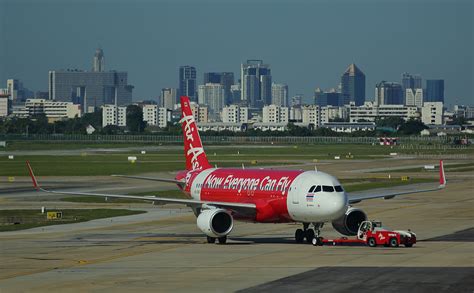
Thai AirAsia, a cornerstone of Thailand’s low-cost aviation sector, has significantly extended its reach from Suvarnabhumi Airport to embrace more remote and underserved destinations. Notably, these new routes have major implications for Pattaya-bound travelers, given Suvarnabhumi’s close proximity and connectivity to the city. The expanded service schedule includes:
- Suvarnabhumi to Narathiwat: Operating daily
- Suvarnabhumi to Buriram: Running three times a week
- Suvarnabhumi to Surat Thani: Launched on July 1, 2025, with seven weekly flights
- Suvarnabhumi to Nakhon Si Thammarat: Scheduled for daily service during the high season
These additions bring Pattaya closer to southern and northeastern Thailand than ever before, creating a web of connectivity that aligns with national tourism and development strategies.
U-Tapao Airport’s Evolution into a Regional Powerhouse
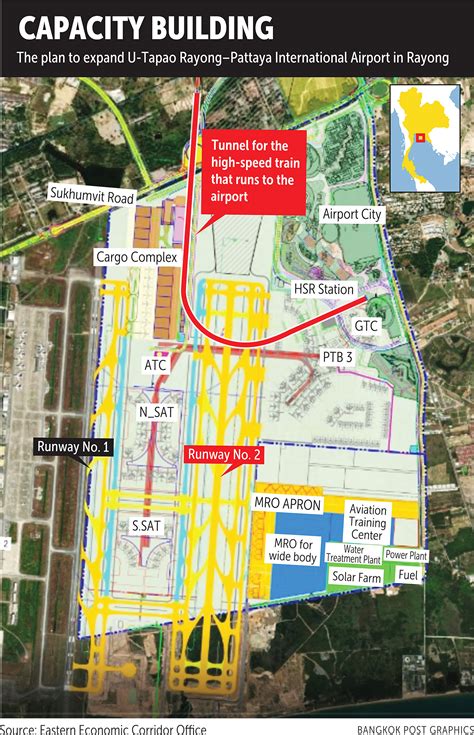
The renewed emphasis on U-Tapao Rayong-Pattaya International Airport is a cornerstone of this connectivity expansion. Once viewed as a supplementary airport to Suvarnabhumi and Don Mueang, U-Tapao is now emerging as a critical node in Thailand’s domestic air network. With each new route launched by Thai Lion Air and EZY Airlines, U-Tapao is not just facilitating travel — it’s anchoring Pattaya into Thailand’s aeronautical backbone.
The DOA, in collaboration with the private sector, is investing in modernizing infrastructure, increasing capacity, and improving passenger facilities. The growing volume of flights through U-Tapao validates its rising stature and promises to decongest Bangkok’s main airports.
Public-Private Synergy Drives National Integration
One of the unsung heroes of this transformation is the effective collaboration between the Thai government and private airlines. The Transport Ministry’s “Transport for Opportunity” policy reflects a clear vision: to ensure that air connectivity supports equitable development, particularly for regions that have historically lagged behind the central economic zones.
Danai Rueangsorn highlighted how this policy fosters inclusive access to aviation services, bridges socio-economic gaps, and stimulates local economies. With more affordable fares, varied destinations, and frequent services, these partnerships are paving the way for air travel democratization.
Tourism Rejuvenated: A Boon for Pattaya’s Economy
The real beneficiaries of this connectivity boom are the tourism operators, hoteliers, local businesses, and residents of Pattaya. By unlocking easier travel options, the city now has a chance to diversify its visitor base beyond international tourists. Domestic travelers from cities such as Udon Thani, Surat Thani, and Narathiwat can now plan weekend getaways or business trips to Pattaya without the burden of long travel times.
This surge in accessibility is likely to revive post-pandemic economic activity, attract new investments, and empower Pattaya to reinvent itself as more than just a beach destination. Local entrepreneurs are already reporting increased footfall, particularly during weekends and national holidays, as more Thais take advantage of budget airfares and improved schedules.

Enhanced Mobility for Residents and Businesses
Beyond tourism, the expansion of Pattaya’s air links spells significant advantages for residents who now enjoy greater mobility. Business travelers, government workers, and students are among those set to gain from this elevated accessibility. The time-saving benefits of domestic flights over intercity road or rail travel are particularly crucial for professionals operating across multiple provinces.
Furthermore, logistics companies may leverage this growing network to facilitate rapid cargo movement, opening up secondary markets and fueling supply chain efficiency across sectors like food, retail, and manufacturing.
Looking Ahead: Sustaining Momentum Through Investment and Innovation
To maintain this upward trajectory, Thailand must focus on sustained investment in aviation infrastructure, innovative route planning, and customer-centric policies. As regional airports like U-Tapao handle more flights, technology adoption — such as AI-based traffic management and digital boarding systems — will be vital in maintaining operational excellence.
Airlines, too, will need to remain agile, responding to shifting demand patterns and maintaining a competitive edge through pricing, punctuality, and passenger service quality. Regulatory frameworks supporting low-cost models and competitive slot allocations will further reinforce Thailand’s vision of a truly connected nation.
Conclusion: Pattaya at the Crossroads of Progress
Pattaya is no longer a peripheral player in Thailand’s aviation landscape. Thanks to the strategic initiatives from Thai AirAsia, Thai Lion Air, and EZY Airlines, the city has become a beacon of domestic air mobility. As these new routes mature and demand scales up, Pattaya is poised to not only benefit from tourism gains but also establish itself as a key enabler of regional development and national integration.
The connectivity surge has ignited fresh possibilities — for weekend wanderers, business travelers, and the hospitality sector alike. It marks the beginning of a new chapter in Thailand’s aviation story, with Pattaya taking center stage as a city finally flying high on its own wings.