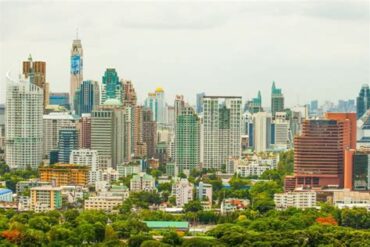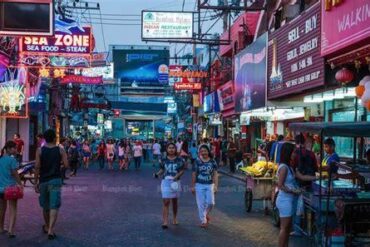
Thailand’s once-booming coastal city of Pattaya is facing a harsh tourism reckoning. For years, Pattaya thrived on an influx of Chinese tourists who poured into its entertainment districts, luxury hotels, and beachside markets. But in 2025, the tides have shifted. The very visitors who once anchored Pattaya’s golden era are now bypassing Thailand altogether in favor of Japan, a destination that has surged ahead with superior safety, retail, convenience, and cultural refinement.
This dramatic pivot is not a short-term travel whim; it’s the culmination of deeper systemic challenges and geopolitical shifts that Thailand must now confront head-on if it wishes to remain relevant in the rapidly evolving Asian tourism hierarchy.
Economic Slowdowns and Policy Barriers Shrink China’s Outbound Travel
China’s domestic economic cooling has had an outsized impact on outbound travel behavior. With consumer confidence faltering, many Chinese households—particularly within the aspirational middle class—are trimming non-essential expenditures. Overseas travel, once considered a desirable lifestyle choice, is now subject to stricter budgeting.
Adding fuel to the fire are tightened regulations on international travel for public sector workers. Civil servants, a core demographic among Chinese tourists, are now facing policies that restrict or heavily scrutinize outbound travel, curbing spontaneity and frequency. These conditions have made long-haul or less accessible destinations, like Thailand, less attractive compared to better-connected, logistically smoother options like Japan.
The Yen Advantage: Japan Emerges as a Value Paradise
One of the most decisive shifts in favor of Japan has been the weakened yen, which has significantly enhanced the purchasing power of Chinese tourists. Since 2022, the yen has depreciated by roughly 25% against the yuan, turning Japan into a de facto discount destination for international visitors.
For Chinese travelers seeking both luxury and value, Japan now offers a more economically sensible alternative. Whether it’s five-star ryokans, Michelin-starred dining, or high-end shopping in Ginza and Shinsaibashi, Japan’s allure lies in delivering premium experiences at accessible prices—something that Thailand can no longer confidently claim.

Safety and Trust: Japan’s Global Image Outpaces Thailand’s Woes
In an era where personal safety ranks among the top considerations for international tourists, Japan continues to shine as one of the safest countries in the world. From spotless streets to efficient law enforcement and a virtually non-existent violent crime rate, Japan’s commitment to public safety resonates deeply with Chinese travelers.
Thailand, on the other hand, faces an ongoing struggle with its international safety perception. Frequent reports of tourist-targeted scams, thefts, and occasional violent incidents have marred its image. Pattaya, despite its popularity, is often cited in Chinese social media as a hotspot for such concerns, further fueling reluctance.
For many Chinese families and solo travelers alike, peace of mind has become non-negotiable—and Japan delivers it effortlessly.
Connectivity Is King: Japan Wins with Superior Air Access
Flight connectivity between China and Japan has bounced back impressively in the post-pandemic era. As of 2024, Shanghai alone offers more than 500 direct flights per week to various Japanese cities, from Tokyo and Osaka to Fukuoka and Sapporo. These routes are not only frequent but also well-timed and competitively priced.
Thailand, in contrast, has failed to match this recovery. Despite Bangkok’s status as a regional aviation hub, the number of flights to and from China remains markedly lower, with Pattaya’s U-Tapao Airport offering limited international service. This logistical disadvantage is turning away travelers who prioritize efficiency and flexibility.
Retail Therapy Redefined: Japan’s Upscale Appeal Outshines Thai Markets
Shopping has always been a major motivator for Chinese outbound travel, and Japan has seized this demand with precision. The country’s tax-free shopping policies, world-class service standards, and seamless payment systems create a frictionless experience for tourists.
Luxury electronics, premium cosmetics, designer fashion, and health supplements—all can be found in abundance across Japanese cities, presented in a setting of order and sophistication.
Thailand’s shopping scene, while vibrant and colorful, still leans toward the bazaar model. While night markets and artisan crafts have their charm, they fall short for high-net-worth individuals seeking modern, upscale retail environments. For the new generation of affluent Chinese tourists, Japan offers more of what they want—convenient luxury and authenticity without chaos.

Cultural Depth and Customization: Japan Delivers the Experiences That Matter
Modern Chinese travelers are not only interested in sightseeing; they crave experiential depth. Japan’s tourism industry has excelled in tailoring immersive, authentic encounters for international visitors. Whether it’s participating in a traditional tea ceremony in Kyoto, soaking in an onsen in Hakone, or attending a sushi-making class in Tsukiji, travelers are engaging in memory-rich, exclusive experiences.
Thailand has been slower to pivot. The country’s tourism infrastructure is still heavily geared toward mass tourism—sun, sea, and low-cost entertainment. While Thai culture is undeniably rich, its tourism narrative is less personalized and still rooted in over-commercialized itineraries that no longer captivate discerning visitors.
Pattaya in Decline: A City Caught in Transition
Pattaya’s troubles are a microcosm of Thailand’s broader tourism struggle. Once a magnet for Chinese tour groups and honeymooners, the city’s entertainment-heavy brand no longer aligns with the evolving preferences of its most profitable demographic.
Hotels report plunging occupancy rates. Tour operators catering to Chinese clientele have reduced headcounts or shut operations entirely. Even popular attractions, such as Alcazar Cabaret and Pattaya Floating Market, are witnessing dwindling attendance.
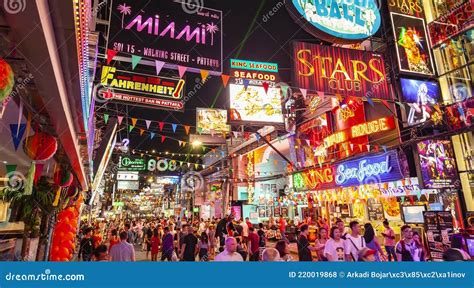
The city’s reputation for nightlife, while once a draw, now works against it. Chinese tourists—especially families—are gravitating toward cleaner, quieter, and more culturally immersive destinations. Pattaya’s gritty charm has lost its sparkle.
Strategic Repositioning: Can Thailand Regain Its Edge?
Thailand’s tourism authorities are now facing an urgent need to recalibrate the national strategy. Without immediate and thoughtful reforms, the current trajectory points to a long-term decline in one of the country’s most valuable economic sectors.
Key areas of intervention include:
- Safety Reforms: Implementing stricter regulations and visible safety measures to rebuild trust.
- Flight Expansion: Working with regional airlines to restore and grow direct routes between second-tier Chinese cities and Thai destinations.
- Luxury Integration: Attracting international retailers and global brands to cities beyond Bangkok.
- Experience Innovation: Investing in localized, personalized travel packages focused on cultural richness and privacy.
Critically, Thailand must also invest in reputation management, actively engaging Chinese digital platforms and influencers to reshape its brand image in the eyes of modern travelers.
Conclusion: A Warning Shot, Not a Death Knell
Pattaya’s fading allure serves as both a cautionary tale and a strategic inflection point for Thailand. The shift of Chinese tourists to Japan is not just a matter of cost or convenience—it reflects a broader evolution in traveler expectations.
To compete with Japan’s superior offerings, Thailand must let go of outdated models and embrace a future built on quality, personalization, and global competitiveness. If the country can adapt boldly and swiftly, Pattaya—and Thailand as a whole—could yet reclaim a starring role in Asia’s tourism stage. But time, much like tourist traffic, waits for no one.