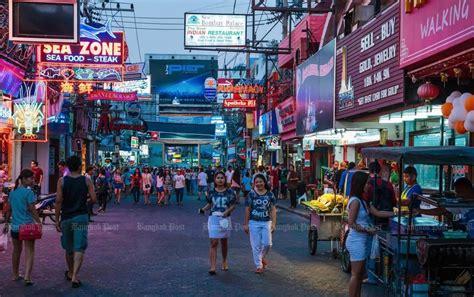
The vibrant city of Pattaya, renowned for its bustling atmosphere, beautiful beaches, and intense nightlife, has experienced difficult times with the number of tourists fluctuating and questions being asked about public safety. But thanks to timely measures from the Thai administration and local businesses, the city is ready for a major boom in tourism. At the crux of these initiatives stands the reinvigoration of the renowned Pattaya Walking Street, in a move to further establish its position as a world-popular travel destination. This article delves into the different projects undertaken to make Pattaya a more desirable and secure destination for visiting tourists, focusing on the transformation of Walking Street and the wider government-sponsored schemes in the city.
Walking Street: Revitalizing Pattaya’s Nightlife Hub
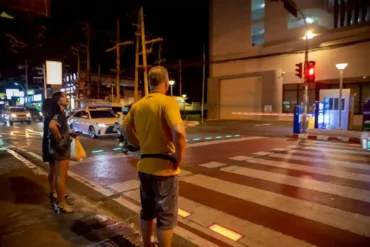
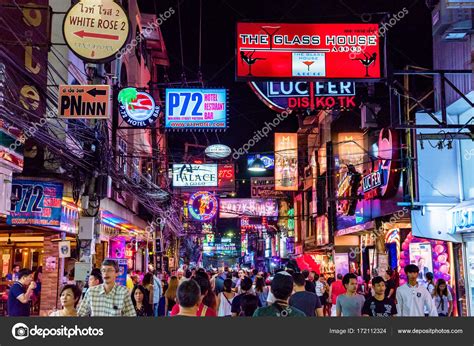
Walking Street, often considered the heartbeat of Pattaya’s nightlife, is one of the city’s most recognized landmarks. Over the years, the area has attracted millions of tourists, both local and international, who come for its neon lights, street performances, and numerous entertainment venues. However, as the tourism landscape in Pattaya evolved, the need for updates and improvements became evident. To maintain its status as a leading entertainment destination, Walking Street is being revamped with a series of infrastructure enhancements. These improvements include better lighting systems to enhance safety and aesthetics, the development of pedestrian zones, and the installation of state-of-the-art surveillance technology. The goal is not only to improve the physical appearance of the street but also to create a more secure environment for visitors.
Public Safety at the Forefront of Pattaya’s Tourism Revival
While Walking Street’s rejuvenation is vital, ensuring the safety of tourists remains a top priority for local authorities. The Thai government has recognized the importance of public safety in securing the city’s reputation as a top travel destination, particularly in areas like Walking Street, which often sees high foot traffic late into the night. As part of the tourism revival strategy, Pattaya is implementing a series of robust safety measures. Among the most notable is the introduction of the “SUPER Safe City Sandbox” initiative. This program aims to integrate cutting-edge technology with physical safety infrastructure. Through AI-driven surveillance systems, real-time monitoring of public spaces, and high-resolution cameras, authorities can swiftly respond to incidents and maintain a secure environment. In addition to technological upgrades, the government has also ramped up its police presence in high-risk zones. The Pattaya Police, in collaboration with the Tourist Police, are working diligently to ensure that both local residents and tourists feel safe. Mobile service units, equipped with advanced tools and multilingual emergency hotlines, are now available to provide assistance to tourists in need. The emphasis is on creating a proactive security environment where visitors can feel comfortable and protected throughout their stay.
Infrastructure Developments: Connecting Pattaya to the World
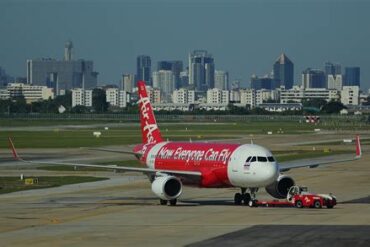
Pattaya’s tourism revival is not just about improving the local environment but also about enhancing accessibility. Recognizing that efficient transport links are key to attracting more visitors, the Thai government has invested in infrastructure upgrades that will connect Pattaya to both domestic and international markets. A major component of this effort is the development of U-Tapao International Airport. Located just 45 minutes from Pattaya, the airport is set to become a key hub for international tourists visiting the region. Along with this, the government is building a high-speed rail link that will connect Pattaya to three major airports, including Suvarnabhumi in Bangkok. This rail system will make travel to and from Pattaya more convenient and affordable, significantly reducing travel time for tourists. These infrastructural developments are part of a larger strategy to bolster Thailand’s overall tourism sector. By improving connectivity, the government hopes to make Pattaya more accessible, not only to regional visitors but also to international tourists looking to explore the beauty of Thailand.
Diversifying Tourism with Cultural and Event-Based Initiatives
While Pattaya is globally recognized for its nightlife, the city’s tourism revival strategy is focused on diversification. To attract a broader range of visitors, the government is placing greater emphasis on cultural and event-based tourism. In recent years, the city has hosted numerous festivals and events designed to showcase Thailand’s rich culture and traditions. From food festivals to international music concerts, Pattaya’s event calendar is becoming increasingly vibrant, offering visitors more than just nightlife. These events are particularly appealing to families and international tourists seeking an alternative to the traditional party scene. Moreover, the government’s support for these initiatives extends to subsidies and special programs aimed at making travel to Pattaya more affordable. The “Half-Half Travel” initiative, for example, helps subsidize accommodation costs, making it easier for tourists to enjoy a longer stay in the city. These cultural initiatives, coupled with the ongoing safety measures, are expected to appeal to a wider range of tourists, from adventure seekers to culture enthusiasts.
Promoting Sustainable Tourism
Another important aspect of Pattaya’s tourism revival is the focus on sustainable tourism practices. With growing awareness of environmental concerns, both the government and local businesses are working towards more sustainable practices in the tourism sector. Efforts to promote eco-friendly tourism include the promotion of sustainable water sports, the reduction of plastic waste in the city, and the conservation of Pattaya’s natural resources, such as its beaches and marine life. In addition, new regulations are being introduced to ensure that businesses within the tourism sector operate in an environmentally responsible manner. These measures not only contribute to the preservation of Pattaya’s natural beauty but also appeal to tourists who prioritize sustainability in their travel choices.
Conclusion
The fact that Pattaya is in the midst of a resurgence as a tourist destination is a sign of the Thai government’s determination to make the city a more attractive, convenient, and safer haven for visitors. From a combination of strategic projects, such as the Walking Street upgrades, increased support for public safety, spending on infrastructure, and the promotion of cultural tourism, Pattaya has positioned itself to be one of the top rivals of Thailand’s tourism market for the next few years. These initiatives have the city back on the road to an unwavering, upward trend, vying to restore it to its former status among the top travel destinations in Southeast Asia, as it repeatedly has been through forced recovery from past setbacks. Even those looking for a great place for an extended vacation can expect an exciting blend through the nightlife scene while still being able to participate in cultural experiences and take in the sights, all while knowing that they will be secure in the warm embrace of Thai hospitality.