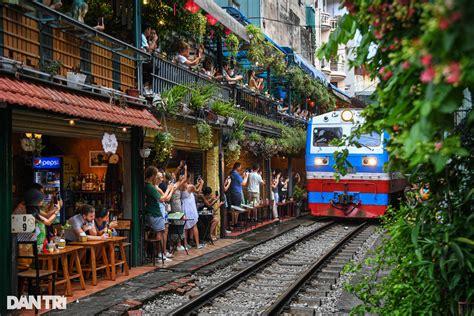
Hanoi’s Train Street—once a thrilling, Instagram-famous destination—is now becoming a battleground between charm and chaos. On June 14, hundreds of stunned tourists were shooed away yet again, sparking anger, confusion, and a growing sense of embarrassment among locals and experts. With no clear signage or unified management, international visitors are left bewildered—drawn in by travel blogs only to be treated like intruders. As safety concerns grow and viral videos raise alarm, many are asking: is Vietnam mishandling one of its most unique tourist assets? Shouldn’t Train Street be reimagined, not rejected? The world is watching, and Hanoi is at a crossroads.
On the evening of June 14, foreign visitors flocked to Hanoi’s iconic Train Street—only to be abruptly ordered to leave. It wasn’t the first time. Just three months earlier, similar mass evictions took place during another safety inspection. For many travelers, it felt like a slap in the face. After all, this narrow, rail-side café strip is featured on countless travel platforms as a must-see experience. But minutes after grabbing a seat, they’re waved off, often without explanation. No signs. No warnings. Just whistles and barriers.
It feels like herding tourists. Tourism insiders and local academics are calling this chaotic approach deeply offensive and damaging. Visitors show up expecting a legal, curated experience. What they get feels more like a sting operation. A tourist from New Zealand visiting on June 16 found part of the street blocked while another section remained open. No consistency. No clarity. She had no idea the area was off-limits—only that it looked beautiful in photos. Meanwhile, a traveler from China was shocked to see café owners still openly inviting people into their shops, sometimes rushing to the track to pull them in.
The danger is real—but the solution isn’t banishing tourists. The street was officially closed in September 2022 due to growing safety risks. Trains barrel down the narrow alley just feet away from cafés and tourists. But closures haven’t stopped the crowds. A recent viral video reignited fear. A tourist, distracted while filming, barely escaped a speeding train. The footage, taken in September 2024, came to light only this month—and revealed a chilling truth: no guards were on duty at the time. Despite the scare, the area remains crowded. The shops stay open. Tourists return in droves, drawn to the very thing that makes Train Street so thrilling—and dangerous.
Lost in translation, lost in trust. The evictions often spark confrontations. Language barriers, combined with a lack of signage, make the experience more humiliating than helpful. Local officials admit this fuels misunderstandings and damages Hanoi’s global image. Rather than managing expectations through clear rules or visitor education, the current model relies on surprise checks and patrols. Officers work in three shifts but can’t monitor the area 24/7. It’s a game of cat and mouse. And tourists are the ones left confused and insulted.
International models show the way forward. Experts agree: bans aren’t the answer. What’s needed is smart regulation and inspired urban planning. Take Thailand’s Maeklong Railway Market. Once deemed risky, it now thrives with adjusted train schedules, safety barriers, and guides who manage the experience—not ban it. Or look at Sri Lanka’s Ella train route. That scenic line winds through tea plantations, monitored with cameras, signage, insured operators, and trained locals. In both cases, tourist safety is respected—without killing the charm.
The real issue: nobody’s in charge. Experts say Train Street’s chaos stems from a lack of unified oversight. No single agency owns responsibility, and there’s no legal framework to reclassify the area as an official tourist zone. Without this structure, local businesses operate in legal limbo. Tourists get mixed signals. And safety falls through the cracks. The potential is enormous—but right now, it’s squandered by short-term thinking.
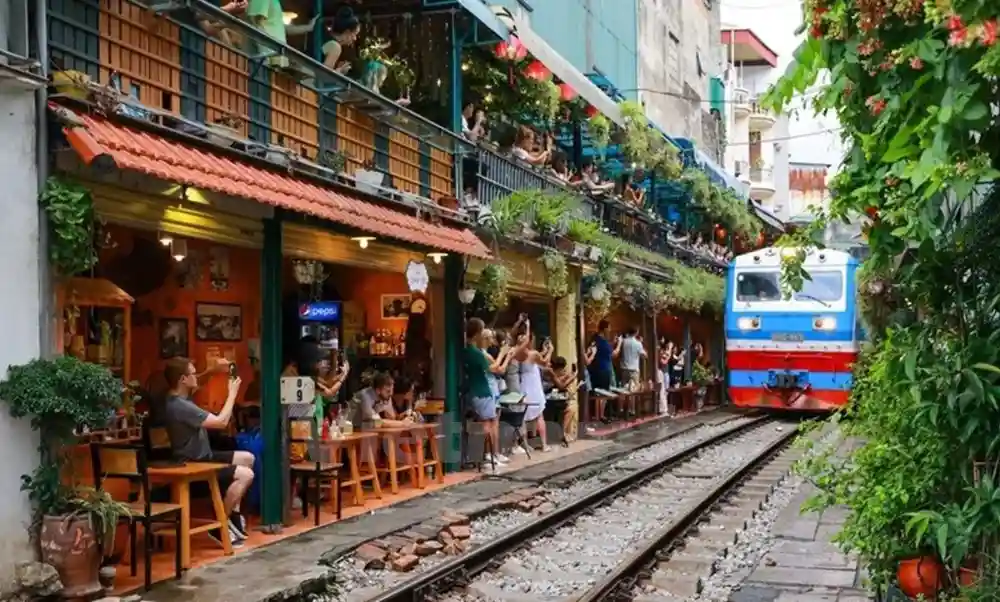
Should Hanoi embrace or erase Train Street? With its close-track cafés, heritage charm, and thrill-factor, Train Street could be one of Asia’s top attractions—if handled right. Instead of chasing tourists away, Hanoi could turn the site into a model of modern tourism management, blending safety with spectacle. It’s time to stop the whistling and waving. It’s time to plan, protect, and promote.
As the debate continues, it becomes increasingly clear that Hanoi’s Train Street represents a microcosm of broader issues facing tourist hotspots around the world. The challenge lies in balancing the allure of unique experiences with the essential need for safety and order. Will Hanoi take the necessary steps to transform Train Street into a safe haven for tourists while preserving its distinctive charm? The decision rests not just on local authorities but on the collective will of the community and its visitors.