Costa Rica’s tourism industry is experiencing a remarkable resurgence, characterized by a steadfast focus on safety, unique experiences, and the complexities of currency strength. As the country navigates challenges such as rising crime rates and the appreciation of the national currency, the colón, the sector remains resilient, drawing international travelers eager to explore its stunning landscapes and rich cultural offerings.
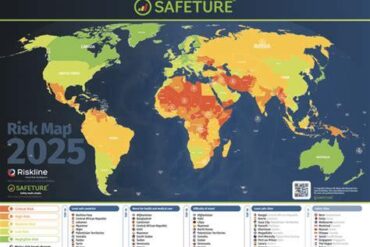
In a pivotal press conference held on June 16, 2025, Costa Rica’s Tourism Minister addressed concerns from both the public and industry stakeholders. Emphasizing that the country continues to be a prime destination for global travelers, the Minister cited data from the Costa Rican Tourism Institute (ICT) which shows a robust sentiment among tourists regarding safety. Notably, an impressive 93% of tourists reported feeling “very secure” during their visits. This positive perception is particularly pronounced in regions like Monteverde, known for their tranquil environments and minimal crime. Despite occasional negative reports, the overarching narrative surrounding Costa Rica’s safety remains largely intact, especially in key tourism markets such as the United States, Canada, and Europe.
A detailed analysis of social media discussions revealed that negative sentiments about safety represent less than 1% of online conversations, further highlighting that for most travelers, Costa Rica continues to symbolize security, beauty, and adventure. The government’s proactive measures have played a crucial role in maintaining this reputation, including enhanced police presence in popular tourist locales and strategic security initiatives designed to reassure visitors. As global tourism rebounds, Costa Rica positions itself as a welcoming haven for travelers from around the world.
Another significant topic impacting the tourism sector is the strength of the colón, which has led to increased domestic prices. While this situation poses challenges for local residents, the Tourism Minister underscored that international tourists are primarily attracted to the unparalleled experiences Costa Rica offers rather than the cost of their trip. “Visitors don’t come to Costa Rica for the price tag; they come for the warmth of our people, the adventure, and the once-in-a-lifetime experiences we offer,” remarked the Minister. The unique cultural heritage, breathtaking landscapes, and famed hospitality of Costa Rica captivate visitors, overshadowing concerns regarding local living costs.
Looking ahead, the Central Bank of Costa Rica anticipates a 5% devaluation of the colón by mid-2026, which may alleviate some concerns related to rising prices. This expected change could enhance the appeal of Costa Rica for dollar-holding tourists, making it an even more attractive destination in the near future.
Despite facing temporary setbacks due to airline disruptions and irregular travel patterns, the Costa Rican tourism sector is showing signs of recovery. Recent data reveals a 7% increase in air arrivals from January to May 2025, with approximately 1.2 million tourists arriving via air during this period. This healthy uptick signals a positive trajectory for the industry, supported by a notable rise in online searches for Costa Rica trips, indicating that the country remains a coveted destination for adventure, relaxation, and exploration.
While optimism permeates government circles, some tourism operators express caution regarding safety. A 2025 ICT survey highlighted that 15% of potential visitors were hesitant to travel to Costa Rica due to crime-related concerns. Operators, particularly in the Limón region, reported a 10% decline in bookings linked to negative media coverage. Local tour guides have echoed these sentiments, emphasizing the need for tangible improvements in security to ensure the safety of both locals and visitors. “We need more than just words; we need real, tangible improvements in security,” one guide stated, reflecting the collective demand for enhanced measures to uphold Costa Rica’s reputation.
In response, the government has implemented a series of proactive strategies aimed at addressing safety concerns and bolstering the tourism sector’s growth. This includes increasing police presence in high-traffic tourist areas and launching a $10 million global marketing campaign focused on showcasing Costa Rica’s commitment to safety, sustainability, and its breathtaking natural beauty. By highlighting these core aspects, the government aims to inspire confidence among travelers and position Costa Rica as a safe and welcoming destination.
Tourism plays a pivotal role in Costa Rica’s economy, contributing approximately $2.8 billion and supporting around 200,000 jobs as of 2024. With significant growth driven by travelers from the United States and Canada, the tourism sector is poised for continued success through 2025 and beyond. The government remains dedicated to leveraging the country’s unique cultural and natural assets to attract international visitors.
In conclusion, despite the hurdles posed by crime concerns and the appreciation of the colón, Costa Rica’s tourism industry is on a promising path. The combination of improved security measures, a vigorous marketing effort, and the country’s intrinsic appeal positions it favorably for long-term prosperity. Costa Rica continues to enchant visitors with its extraordinary biodiversity, vibrant culture, and the warmth of its people. As concerted efforts to address safety concerns evolve alongside an unwavering focus on enhancing the travel experience, Costa Rica stands ready to embrace the future with optimism. As the tourism sector thrives, it remains a beacon for travelers seeking adventure, relaxation, and unforgettable experiences, underscoring the resilience of this Central American paradise.