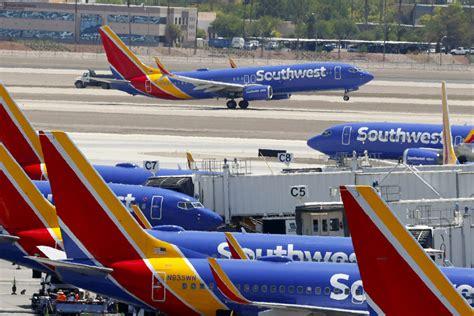
Southwest Airlines has removed its planned nonstop service between Las Vegas Harry Reid International Airport (LAS) and San José Juan Santamaría International Airport (SJO) in Costa Rica before the route could carry its first passengers. The cancellation marks an unusual decision for an airline, as most route changes happen after operations begin and performance data becomes available.
The planned route was expected to become one of the most distinctive additions to Southwest’s international network. Covering approximately 2,297 nautical miles (4,254 kilometers), the service would have been the airline’s longest international route by both distance and scheduled flight time. The journey was expected to take nearly six and a half hours, creating a significant new connection between Nevada and Central America.

Southwest Airlines Removes LAS–SJO Flights Before First Departure
According to schedule data from Cirium Diio, Southwest had originally planned to launch the Las Vegas–San José route on November 1, after previously moving the start date from October 1. The airline had scheduled the service as a daily operation, with flights departing Las Vegas at approximately 11:55 PM and arriving in Costa Rica the following morning.
The timing would have made the route unique within Southwest’s international network because it would have been the carrier’s only regular overnight international operation. While overnight flights are common among many global airlines, Southwest has traditionally focused on daytime domestic and short-haul international flying.
The route also would have opened the first-ever nonstop connection between Las Vegas and San José, creating a new travel option for leisure passengers visiting Costa Rica. Las Vegas ranked among the largest unserved Latin American markets from the airport, following destinations such as São Paulo and Buenos Aires.
Southwest has not confirmed whether the route cancellation is permanent or whether the service has simply been postponed. The latest schedule update shows that all flights have been removed, leaving the future of the market uncertain.
Aircraft Planning Revealed Southwest’s Strategy
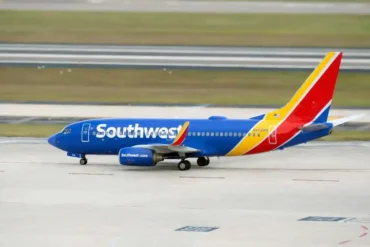
The planned service highlighted Southwest’s cautious approach to entering a new international market. The airline intended to operate the route using the Boeing 737-700, which offers 137 seats. Using a smaller aircraft would have allowed Southwest to evaluate passenger demand and load factors before potentially introducing a larger aircraft.
However, the aircraft planning also showed an interesting operational pattern. Most return flights from San José to Las Vegas were expected to use the larger Boeing 737 MAX 8, except for one departure. The MAX 8 provides improved fuel efficiency and a lower cost per available seat mile compared with older 737 models.
This aircraft imbalance is relatively uncommon because airlines typically try to maintain consistent fleet types on a route. Southwest’s approach suggested the carrier was carefully managing capacity while testing the potential strength of the market.
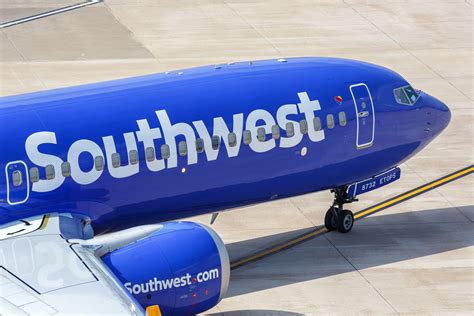
Southwest Airlines Has Built a Strong Costa Rica Presence
Although the Las Vegas launch was canceled, Southwest has maintained a long relationship with Costa Rica. The airline began international operations on July 1, 2014, and introduced Costa Rica service the following year with flights to San José.
Over the years, Southwest expanded its Costa Rican network from several major US cities. Routes from Baltimore/Washington, Houston Hobby, Fort Lauderdale, Denver, Orlando, and Nashville helped establish Costa Rica as an important international destination for the airline.
Southwest also serves Liberia International Airport, which provides access to Costa Rica’s Pacific beaches, national parks, and outdoor tourism attractions. The airline’s Costa Rica operations demonstrate the strong demand for leisure travel between the United States and Central America.
Data from the US Department of Transportation shows that Southwest transported approximately 2.7 million passengers to and from Costa Rica between March 2015 and April 2026. San José accounted for around 1.6 million passengers, while Liberia represented approximately 1.1 million passengers.
The passenger figures show that Costa Rica remains a meaningful market for Southwest, although route profitability depends on more than passenger numbers. Factors such as ticket prices, fuel costs, aircraft utilization, and seasonal demand all influence whether a route can succeed.
Southwest Continues International Expansion Despite Cancellation
The cancellation of the Las Vegas–San José route does not indicate a broader reduction in Southwest’s international ambitions. The airline continues to expand its international schedule, with plans to serve 14 destinations outside the United States during upcoming seasonal periods.
Southwest’s international network includes popular destinations such as Cancún, Aruba, Belize City, Montego Bay, Nassau, Punta Cana, Los Cabos, Puerto Vallarta, and St. Maarten. The airline expects international flying activity to increase compared with previous years, with average daily departures growing significantly.
The removal of the LAS–SJO route highlights the challenges airlines face when launching new international services. Even attractive markets must meet strict operational and financial requirements before receiving final approval.
For travelers hoping for a direct Las Vegas–Costa Rica connection, the route’s cancellation is a disappointment. However, Southwest’s continued investment in international flying suggests that future opportunities may emerge as demand patterns, aircraft availability, and network strategies evolve.