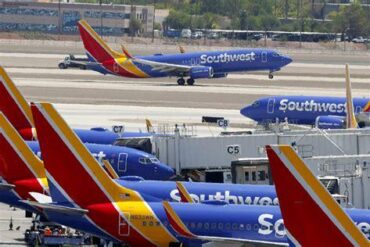
Southwest Airlines is preparing to make history with the launch of its longest-ever international route, connecting Las Vegas Harry Reid International Airport (LAS) with Juan Santamaría International Airport (SJO) near San José, Costa Rica. Scheduled to begin later this year, the new nonstop service will take approximately six hours, marking a significant milestone for a carrier traditionally known for short and medium-haul operations across the United States.
The route is noteworthy not only because of its duration but also because it represents a strategic glimpse into Southwest’s future ambitions. For decades, the airline built its reputation around high-frequency domestic services and efficient point-to-point flying. However, changing passenger demand, advances in aircraft technology, and growing competition are encouraging Southwest to expand its horizons. The Las Vegas–San José route demonstrates how the airline can leverage its Boeing 737 fleet to reach deeper into international markets while maintaining the operational simplicity that has defined its business model.
The new service will also create a direct connection that currently does not exist. Southwest will become the first airline to offer nonstop flights between Las Vegas and San José, Costa Rica, providing travelers with a convenient alternative to connecting itineraries through major hubs in the United States.
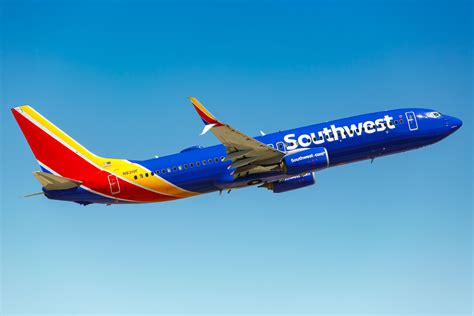
Las Vegas And Costa Rica Gain A Unique Nonstop Connection
The route links two destinations that appeal strongly to leisure travelers. Las Vegas remains one of North America’s most popular tourism and entertainment centers, attracting millions of visitors each year. Costa Rica, meanwhile, has become one of the fastest-growing vacation destinations in Central America, known for its rainforests, beaches, volcanoes, and eco-tourism attractions.
By connecting these markets directly, Southwest is targeting travelers who value convenience and competitive fares. The airline’s schedule shows late-evening departures from Las Vegas and morning arrivals into Costa Rica, maximizing travel efficiency for vacationers. Return flights are timed to allow passengers to enjoy a full morning before departing for Nevada.
The planned schedule includes:
- WN102: Las Vegas (LAS) to San José (SJO), departing 11:20 PM and arriving 6:00 AM the following day.
- WN104: San José (SJO) to Las Vegas (LAS), departing 12:55 PM and arriving 5:50 PM.
These flight times position the service as an attractive option for travelers seeking seamless access between the western United States and Central America.
Nearly Six Hours In A Southwest Boeing 737
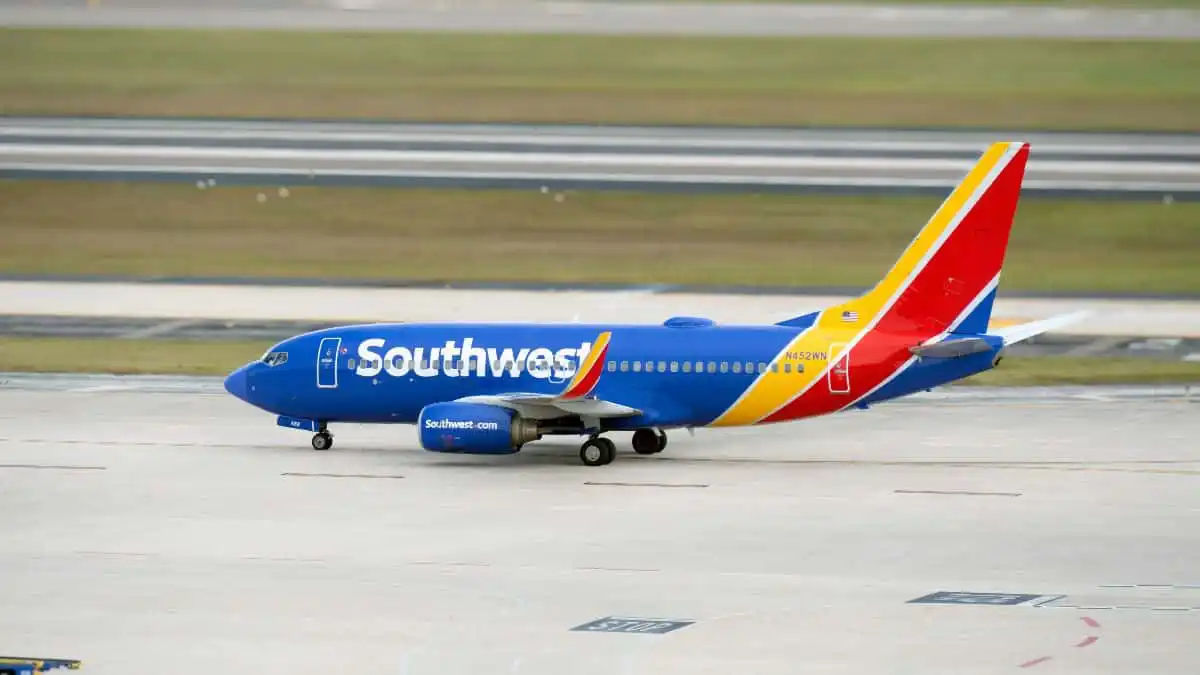
According to current scheduling information, Southwest intends to operate the route using the Boeing 737-700, the smallest aircraft variant currently flying in its fleet. Although equipment assignments may change, the 737-700 remains a capable performer for medium and longer-range missions.
The aircraft typically accommodates 137 passengers following recent cabin modifications. Southwest recently upgraded its 737-700 fleet by reducing seat density and increasing legroom, creating a more comfortable onboard experience. The refurbishment program also introduced power outlets and other cabin enhancements that better align the aircraft with modern passenger expectations.
For travelers accustomed to Southwest’s shorter domestic sectors, a six-hour flight represents a distinctly different experience. The added comfort improvements become increasingly important as the airline begins operating routes that approach the duration traditionally associated with larger network carriers.
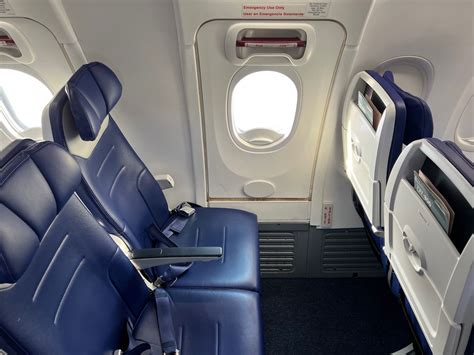
The Longest Route In Southwest’s International Network
The Las Vegas–San José service will immediately claim the title of Southwest’s longest international flight. With a scheduled block time of approximately six hours and ten minutes, it surpasses every other international route currently operated by the airline.
The new route edges out Southwest’s existing long-distance services by a noticeable margin. The previous leader was the connection between Baltimore/Washington International Airport (BWI) and Los Cabos International Airport (SJD) in Mexico, which carries a scheduled duration of approximately five hours and fifty-five minutes.
Several other Southwest routes also exceed five hours, reflecting the airline’s gradual expansion into longer-haul markets. These services connect destinations such as Costa Rica, Mexico, the Dominican Republic, and major U.S. cities including Denver, Chicago Midway, Kansas City, and St. Louis.
What makes the new Costa Rica route particularly interesting is that it pushes Southwest into territory once considered beyond the practical limits of its traditional operating model. The airline’s network is steadily evolving from primarily domestic flying toward a broader international footprint.
Why Southwest Is Testing Longer Flights
The launch of this route aligns with broader industry trends. Narrowbody aircraft have become increasingly capable of operating routes once reserved for larger widebody jets. Modern Boeing 737 MAX aircraft offer greater efficiency, longer range, and lower operating costs, making thinner long-distance markets economically viable.
Southwest executives have repeatedly indicated interest in pursuing additional long-haul opportunities. Internal evaluations suggest that the airline could potentially support between eight and twelve longer-range routes using its growing fleet of Boeing 737 MAX aircraft.
Unlike traditional network carriers that rely heavily on connecting hubs, Southwest has historically focused on simplicity. However, the economics of modern aircraft now allow airlines to serve distant city pairs directly while maintaining competitive costs. The Las Vegas–Costa Rica route serves as a practical demonstration of this strategy.
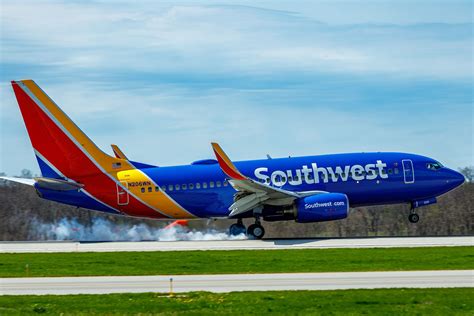
The Boeing 737 MAX Opens New Possibilities
Although the new route is expected to begin with the 737-700, Southwest’s future long-haul ambitions are closely tied to the Boeing 737 MAX family. The MAX 8 already possesses the capability to operate flights exceeding seven hours under suitable conditions.
Recent industry examples illustrate these capabilities. Airlines have successfully launched transatlantic services using narrowbody aircraft, proving that routes once considered too long for single-aisle jets are now commercially practical.
Even more significant for Southwest is the anticipated certification of the 737 MAX 7. Boeing states that the MAX 7 offers approximately 300 nautical miles of additional range compared with the MAX 8. That extra capability could unlock new international destinations and enable Southwest to explore markets previously beyond reach.
As fuel efficiency improves and operating costs remain competitive, the airline gains greater flexibility to experiment with longer routes while maintaining profitability.
Beyond Route Expansion: A Changing Southwest Experience
Route expansion alone will not define Southwest’s future. The airline has acknowledged that successfully competing in longer-haul markets may require substantial product enhancements.
Among the initiatives under consideration are premium seating options, Starlink inflight connectivity, and even the potential introduction of airport lounges. Such features would represent a significant evolution for a carrier historically focused on simplicity and uniformity.
These enhancements could help Southwest attract travelers who currently choose legacy airlines for longer international journeys. As flight durations increase, passenger expectations regarding comfort, connectivity, and premium services become more important.
The new Las Vegas–San José route therefore represents more than a simple addition to the schedule. It serves as a preview of how Southwest Airlines may transform over the coming decade. By launching its longest-ever international flight, the carrier is testing both market demand and operational capabilities while laying the groundwork for an expanded future network that stretches far beyond its traditional comfort zone.