Over the twisting trails of Peru’s Sacred Valley, the high mountain passes of northern Vietnam, and the rainforest streets of Costa Rica, a gentle revolution is unfolding—not on foot, but through the electric whir of e-bikes. These historic, epic natural wonders are becoming more accessible than ever with a new wave of e-bike adventure tourism. As the trend towards immersive, low-impact travel continues to gain momentum, Much Better Adventures has launched a wave of five new e-bike itineraries that promise to make some of the world’s wildest corners more accessible than ever. The new routes cover fourteen countries, placing an emphasis on locations where traditional cycling might have been considered off-limits for the average traveler.
The e-bike revolution is providing an exciting new way to bridge the gap between adventure and accessibility, and 2025 is increasingly looking like a banner year for this modern tourism movement.
E-Biking: A Global Travel Trend
Global transport and tourism analysis across various national statistics authorities reveals that UK search interest in e-bikes has blossomed by 29% over the past twelve months, and 17% worldwide year-on-year. This change is part of a wider shift in adventure tourism in general, where travelers are no longer content with merely observing their surroundings—they desire something more meaningful and participatory that connects them to both people and landscapes. E-bikes meet that demand perfectly, raising the physical challenge while eliminating fatigue, thereby allowing adventurers to traverse high mountain passes, rugged shores, and hidden towns, all while retaining the intrinsic character of these locations.
In truth, for many riders, e-biking isn’t about making the journey easier; it’s about making it possible. With pedal assist technology, even those who might struggle on traditional bicycles can enjoy the thrill of exploration and the joy of discovery.
Stretching the Adventure Map: New E-Bike Itineraries
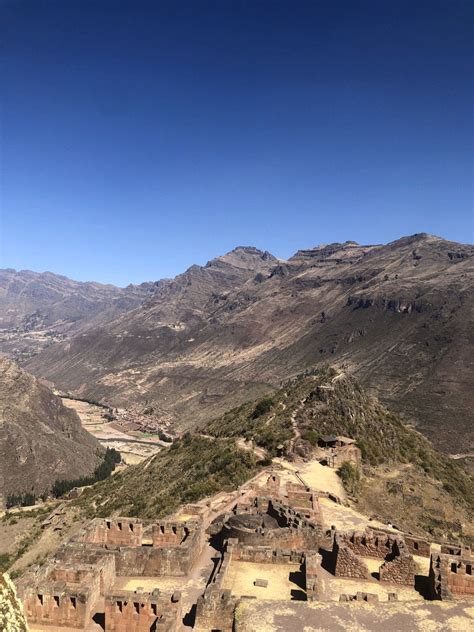
The new selection of e-bike trips launched by Much Better Adventures captures the spirit of empowerment and exploration. Each trip is meticulously crafted to immerse travelers in the terrain—and sometimes the traditions—of each destination, offering not just a ride but a compelling narrative. In Peru, cyclists can navigate the Sacred Valley, witnessing archaeological treasures like Sacsayhuamán and Pisac, ultimately reaching Machu Picchu, a UNESCO World Heritage site. The country’s ancient culture and extreme elevation give this ride a unique appeal, now made more inclusive with the help of pedal assist technology.
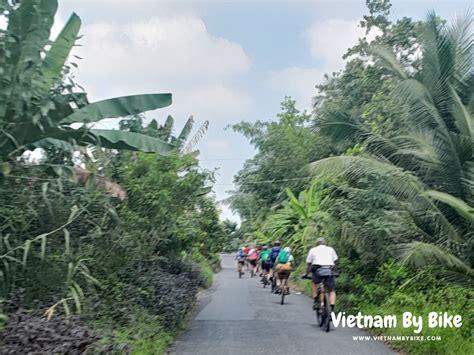
Up north in Vietnam, adventurers will tackle the dramatic mountain roads near Heaven’s Gate Pass, threading through lush rice terraces, minority villages, and the iconic karst peaks that define the region. E-bikes allow visitors to conquer otherwise brutal hills and take in sweeping views often unattainable by foot or non-electric bicycles.
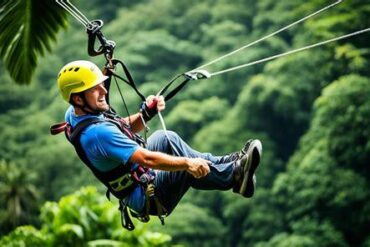
In Costa Rica, the experience spans coast to coast, from the Caribbean Sea to the Pacific Ocean, crossing volcanic valleys, coffee plantations, and rainforests teeming with wildlife. This ecotourism fantasy is realized in fewer hours and with less physical effort—without compromising the essence of the experience.
Jordan’s e-bike route leads visitors through this ancient kingdom on the Jordan Trail, a thrilling journey past mountain fortresses, through Bedouin camps, and across the mesmerizing sands of Wadi Rum, culminating at Petra, one of the world’s great archaeological sites. This tour encapsulates history, hospitality, and adventure, appealing to travelers of all kinds.
Physical Access, Emotional Connection
Beyond the logistics and breathtaking terrain, the true impact of these tours is measured by their emotional resonance. E-bike tourism fosters connections: with local hosts over tea, with fellow travelers on awe-inspiring ridgelines, and with oneself during serene climbs enveloped by nature. Vicky Leach, Adventure Expansion Manager at Much Better Adventures, aptly describes it as the “freedom to travel deeper.” These tours are not diluted experiences; they offer rich opportunities that unite individuals of all physical abilities, generations, and backgrounds.
In this light, e-biking should not be misconstrued as ‘cheating’ the adventure; rather, it removes unnecessary barriers, allowing for personal, meaningful, and sustainable challenges.
How Sustainable, Inclusive Travel Looks in Practice
The e-bike revolution is fundamentally rooted in sustainability. As awareness of travel’s carbon footprint grows, e-bike tourism fills the void left by high-emission activities such as scenic flights, cruises, or long vehicular journeys. Riders can cover extensive ground without consuming fuel, prompting many e-bike businesses to invest in solar-powered chargers, eco-lodging, and community-driven guesthouses. In Italy, for instance, existing e-bike tours incorporate stops at food and wine establishments, organic farms, and artisan visits—all of which help bolster local economies. The newly added itineraries will traverse the same routes while focusing on cultural immersion, environmental respect, and low-impact mobility.
Economic Uplift Through Local Partnerships
E-bike tourism plays an increasingly vital role in rural economic development. Ministries of tourism in countries like Jordan, Vietnam, and Costa Rica recognize that adding cycling routes that connect local markets, family-run lodges, and indigenous cooperatives can distribute tourism dollars more equitably and promote the protection of cultural and environmental assets. In Peru, for example, village communities near the Sacred Valley report increased income from home-based businesses selling textiles, snacks, and handmade crafts to travelers—especially when tour operators prioritize locally guided experiences. Because e-bikers tend to travel at a slower pace and make more frequent stops than vehicle-bound tourists, the economic opportunity per cyclist is significantly greater.
Government Support and Infrastructure Planning
Governments are beginning to acknowledge these benefits by promoting cycling infrastructure for e-tourism. National parks are issuing more permits for e-bike-friendly trails, while local governments are enhancing charging infrastructure and building last-mile connections between train stations, trails, and tourist attractions. In Jordan, the Ministry of Tourism is actively creating trail signage and digital route mapping to facilitate safe e-biking access. Similarly, in Vietnam, local authorities are allocating additional resources to develop bike-friendly routes in Ha Giang and Lao Cai provinces.
A Future of Change: Transformational Tourism Trend for 2025 and Beyond
Industry insiders and official government tourism bodies are already citing e-bike tourism among the top five adventure travel trends for 2025, highlighting its alignment with everything from carbon neutrality to intergenerational access and rural inclusion. As experiential travel gains popularity, e-bike tours are stepping forward with precision and purpose. The newest itineraries from Much Better Adventures represent not merely a commercial breakthrough, but a vision of what travel could become—a realm of adventure accessible to all, where tourism acts as a force for good, fostering exploration that leaves destinations better than it found them.
Final Thoughts: Pedaling Toward Possibility
As travelers ascend the hill leading into Machu Picchu, benefiting from the extra boost provided by an e-bike, or glide through misty Vietnamese hillsides with heart racing and breath steady, the potential of this movement becomes clear: Adventure is no longer the exclusive domain of the wealthy or the impossibly fit. It is a shared journey, with e-bike tourism, characterized by its soft hum and steady pace, redefining the essence of discovery. No longer is the goal to conquer landscapes; instead, it is to engage with them on their own terms—with respect, curiosity, and whatever support is necessary to keep moving forward.