Atlanta-based Delta Air Lines has paused its long-anticipated Riyadh launch, delaying the debut of what would have been its first nonstop service to Saudi Arabia. The SkyTeam carrier was set to begin nonstop flights to the Saudi Kingdom from October 26, but the start date has been pushed back to late March 2027 amid ongoing geopolitical tension and two recent major bomb attacks targeting the kingdom’s capital. The nonstop service will connect Hartsfield-Jackson Atlanta International Airport (ATL) with Riyadh Airport (RUH), a pair of airports separated by 7,271 network miles of airspace — a journey that ranks among the longest routes Delta has ever attempted to launch from its hometown hub.
The decision lands a heavy blow on one of the most closely watched route announcements of the year. Delta had spent months positioning the Atlanta–Riyadh link as the crown jewel of its growing Middle East ambitions, and the airline’s willingness to walk away from an October start date signals just how seriously its risk analysts now view conditions on the ground in Saudi Arabia’s largest city.
Houthi Attacks on Riyadh Airport Fuel Struck Fuel Tanks and Terminal
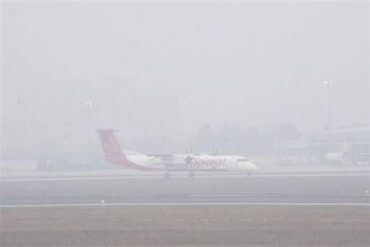
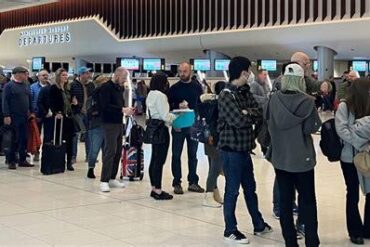
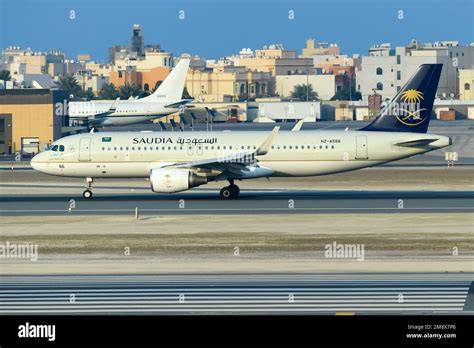
Houthi rebels from neighboring Yemen have targeted key infrastructure in and around Riyadh airport, striking fuel tanks several weeks ago before turning their attention this week to the airport terminal and a nearby Saudia Airbus A320 aircraft. The assault forced the airport to halt operations for several hours, stranding passengers and triggering a wave of delayed and canceled flights across the kingdom’s busiest aviation gateway. The human cost has been severe: 12 people were killed and a further 300 injured in the attacks, a toll that transformed a regional security concern into a direct question about whether Delta would persevere with its planned Riyadh launch at all.
Delta Would Have Been the Only US Carrier Flying Nonstop to Saudi Arabia
The stakes for Delta extend well beyond a single route. The Atlanta–Riyadh service would have made Delta the only US carrier to operate nonstop flights to Saudi Arabia, handing the airline a rare first-mover advantage in a market where American Airlines, United, and their joint-venture partners have largely ceded ground. The launch also follows Delta’s partnership with Riyadh Air, the kingdom’s ambitious start-up carrier, under which Delta would feed passengers into Riyadh Air’s rapidly expanding domestic and international network. That feeding model promised Delta a share of traffic flows it could never generate on its own, linking the southeastern United States to dozens of onward destinations across the Gulf, South Asia, and beyond through a single Riyadh connection.
Delta’s Daily Airbus A350-900 Schedule and Late-Night Departure Times
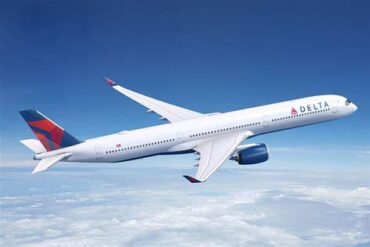
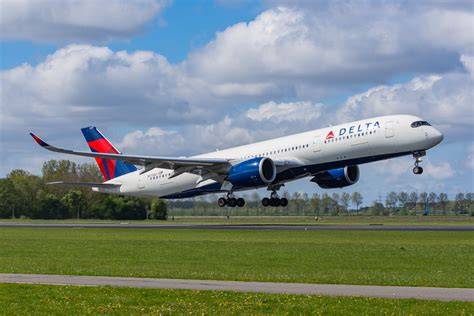
Delta is now set to begin daily flights to Riyadh in late March with the Airbus A350-900, the widebody workhorse that has become the backbone of its long-haul fleet. Flight DL318 will depart Atlanta at 11:40 PM and arrive in Riyadh at 7:45 PM the following day, while the return leg, DL317, will leave Riyadh at 11:30 PM and touch down in Atlanta at 7:57 AM the next morning. Both directions operate once daily on the A350-900, a schedule built around late-night departures that maximize connections through Delta’s Atlanta megahub and give business travelers a full working day on either end of the journey.
Soft Bookings and Bargain Fares Raise Doubts About the Route
Given the ongoing geopolitical tension in the Middle East and the recent attacks on Riyadh — Saudi Arabia’s largest city and home to more than 7 million people — Delta has seen dwindling seat sales on the first few flights. The weakness in demand pushed the airline to offer bargain fares on the service, a move that airline critics seized on as evidence that the launch might not proceed as planned. Delta Chief Executive Officer Ed Bastian has stated that the final decision rests with the airline’s Safety and Security Department, which will determine whether Delta continues. When Simple Flying requested comment on its plans, an airline spokesperson confirmed that the carrier had “not announced any changes to our previous announcement.” Just this week, Delta issued an internal safety warning to team members advising against travel to Riyadh between October 8 and 12, citing unsafe conditions — a step that followed the US State Department issuing its own travel alert warning Americans against traveling to Saudi Arabia.
‘It Might Not Start in Two Weeks’: Inside the Decision to Postpone
Aviation insider JonNYC recently posted on X about a statement by the Delta CEO alluding to a potential starting delay. According to JonNYC, “the way Ed spoke, I personally don’t think Riyadh will start in two weeks. He was clear that no final decision had been made but stated something to the effect of ‘it may not start in two weeks, but Saudi Arabia is a place Delta will be flying.'” Delta has since officially revealed the postponement, confirming a shift that observers had anticipated for weeks as security conditions deteriorated and booking curves flattened.
Saudi Vision 2030 and the Riyadh Air Partnership Keep the Route Alive
Riyadh remains firmly on the airline’s radar as it taps into a strategic partnership with Riyadh Air. As part of the kingdom’s long-term economic growth and tourism goals, Delta looks to work closely with Riyadh Air on domestic and international flight operations. The new route was attracted through the Saudi Vision 2030 initiative, which sees the country diversify from its reliance on oil and otherwise look to building more business and tourism ties. That policy backdrop explains why Delta has delayed rather than canceled the service: the commercial logic of linking the world’s busiest airport to the Gulf’s fastest-growing capital remains intact, and the airline’s language points to a return once security conditions allow.
What the Atlanta–Riyadh Delay Means for Travelers and the Wider Market
For travelers, the postponement means the earliest nonstop option between the United States and Riyadh on a US carrier now sits nearly two years out, leaving one-stop itineraries through Europe or the Gulf as the only practical alternative in the interim. For Delta, the delay preserves an option it cannot easily recreate, since route authorities, slot timings, and partner agreements are difficult to assemble twice. The carrier has built its global strategy around premium long-haul flying from Atlanta, and Riyadh fits that blueprint precisely — a high-yield, government-adjacent market reachable with a single A350-900 rotation. Should conditions in the kingdom stabilize, Delta will be positioned to restart a route that no American competitor currently matches, and the March 2027 date gives the airline a defined target to work toward rather than an open-ended retreat.