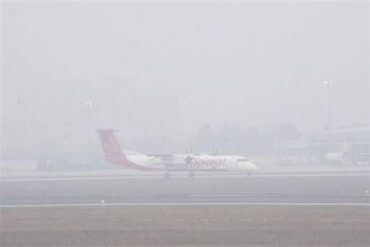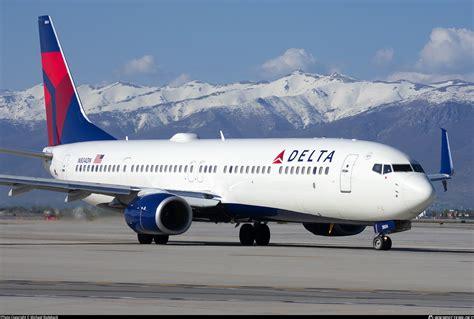
Delta Air Lines faced a crippling operational breakdown on Friday, June 28, 2025, after a powerful thunderstorm struck Hartsfield-Jackson Atlanta International Airport (ATL), forcing the airline to ground flights, delay operations, and begin emergency inspections of more than 100 aircraft. The weather-related chaos came just days ahead of the peak Fourth of July travel weekend, intensifying disruption across the U.S. aviation network.
Storm Paralyzes the Busiest Hub in Delta’s Network
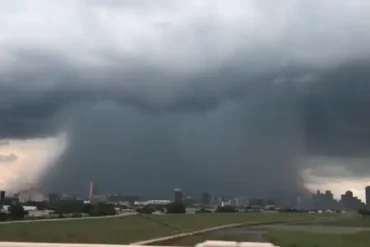
Friday’s violent weather system swept through the Atlanta metro area, bringing with it relentless thunderstorms, destructive winds, and hail as large as a quarter-inch. The Federal Aviation Administration (FAA) immediately issued a flash flood warning and later halted landings at ATL — one of the world’s busiest airports and Delta’s primary hub. Winds buffeted runways and terminals, causing critical safety concerns for aircraft on the ground and in the air.
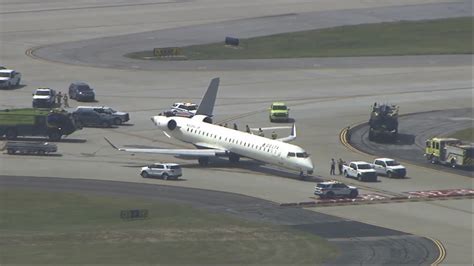
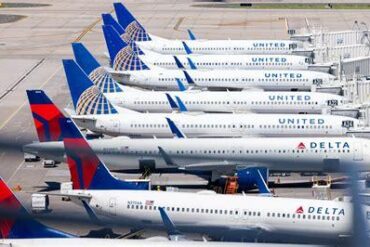
In response, Delta grounded scores of flights, triggering a domino effect of cancellations and delays. According to real-time data from FlightAware, more than 1,000 delays and approximately 170 flight cancellations were reported by Friday evening alone. Ground crews scrambled to protect aircraft and passengers as hail battered jet fuselages and lightning forced repeated halts in ramp operations.
Extensive Aircraft Inspections Begin Immediately
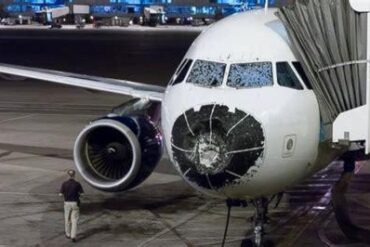
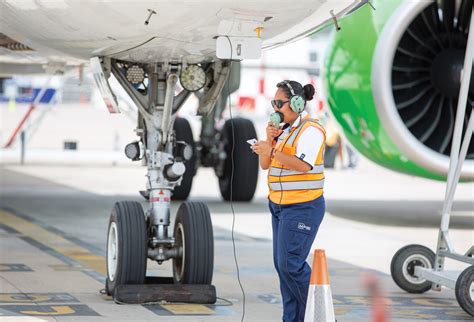
Delta’s maintenance and safety teams moved swiftly following the storm to assess the extent of potential hail and lightning damage. Over 100 aircraft were sidelined for immediate inspection, focusing on critical structural and surface vulnerabilities.
Aircraft are particularly susceptible to hail strikes, which can dent fuselages, crack windshields, and compromise flight control surfaces. Every grounded aircraft underwent detailed review by specialized maintenance teams trained to identify minute signs of storm-related damage.
Delta emphasized that passenger safety remained the top priority, and any aircraft deemed questionable would remain out of service until receiving full clearance. Though this precaution is essential, it compounded an already strained flight schedule heading into one of the busiest U.S. travel holidays of the year.
Thousands of Passengers Stranded in Peak Travel Season
The timing of the storm could not have been worse. As Americans prepared to take to the skies for the July 4th holiday, Delta was forced to pause arrivals at their departure points, with many flights held until after midnight Eastern Daylight Time on Saturday.
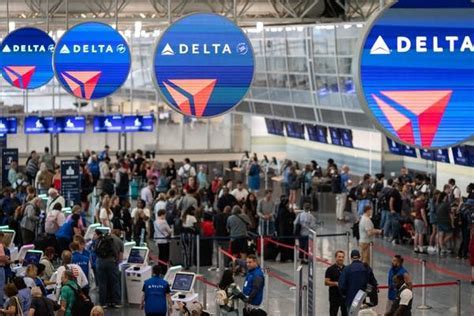
Travelers faced average delays of 75 minutes for inbound flights and 30 minutes for departures. For some, the disruption led to missed connections, hotel stays, and hours of waiting in terminal lounges. Delta deployed customer service teams to assist with rebooking, but as cancellations piled up, the backlog of passengers grew rapidly.
Control Tower Evacuated Amid FAA Safety Response
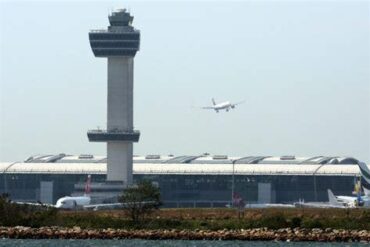
In an extraordinary step, the FAA evacuated most personnel from ATL’s air traffic control tower due to sustained high winds, posing an immediate risk to the safety of controllers. A skeleton crew remained to manage communications and direct limited air traffic while the storm raged.
The temporary evacuation significantly delayed efforts to resume normal operations. Although controllers returned after conditions improved, the hour-long halt in tower functionality created a ripple effect that extended beyond the Atlanta airspace.
Delta and FAA officials coordinated closely during the evacuation, emphasizing that safety overrides all operational concerns. However, the resulting slowdown pushed Delta’s recovery timeline further into the weekend.
Over 90 Flights Diverted as Storm Intensifies
In addition to cancellations, Delta was forced to divert more than 90 flights to airports outside Atlanta. The combination of lightning, high winds, and halted ground operations left many aircraft unable to land at ATL safely. These diversions led to a complex logistical shuffle, with crews and aircraft stranded at secondary locations far from their intended routes.
The repositioning of these diverted aircraft is time-consuming, requiring FAA clearance, adequate crew availability, and coordination with receiving airports — all while Delta’s operations team worked under extreme pressure to maintain any semblance of schedule continuity.
Passengers Frustrated by Limited Communication and Options
Although Delta made efforts to notify passengers of cancellations and alternative options via its app and airport screens, many travelers reported long lines, overwhelmed customer service counters, and sparse information during the height of the storm.
The airline attempted to issue hotel vouchers and rebooking notices where possible, but demand far outpaced available resources. Some passengers waited hours for updates, only to learn their flights had been canceled outright or rescheduled for days later.
Social media platforms lit up with complaints, photos of crowded terminals, and reports of emotional distress. Delta later acknowledged that communication during the storm fell short of expectations, citing the fast-moving nature of the weather system and the difficulty in predicting which flights could resume safely.
Operational Recovery in Motion, But Challenges Remain
As skies cleared on Saturday morning, Delta began the painstaking process of rebuilding its operations. Priority was given to aircraft repositioning, pilot and crew availability, and restoring ATL as a central connection point for its global route network.
However, with such a large portion of the fleet grounded or diverted, and aircrews reaching their FAA-mandated duty limits, full normalization of schedules was expected to take at least 48–72 hours. Many flights remained delayed well into Saturday evening, with additional knock-on effects predicted through Sunday.
Delta urged passengers to monitor their flight status online or through the Fly Delta app, and warned that further cancellations could still occur, particularly for flights connected to ATL or involving previously grounded aircraft.
The Fourth of July Rush Could Complicate Recovery
Independence Day weekend is historically among the busiest periods for U.S. air travel, with TSA screening over 2.8 million passengers daily in the days leading up to July 4. The storm’s impact on Delta’s Atlanta hub — through which over 900 flights operate daily — could severely restrict capacity, particularly for domestic connections and transcontinental routes.
Travelers scheduled to fly on Sunday or Monday may find themselves rebooked, rerouted through secondary airports, or facing lengthy hold times on rebooking services.
Though Delta is working to reassign its fleet and recover normal flow, the combination of weather-induced backlog, crew limitations, and holiday passenger volume presents one of the airline’s most challenging operational tests in recent years.
Long-Term Implications for Delta’s Summer Strategy
The storm’s impact will likely reverberate through Delta’s operations well beyond the July 4 weekend. Airlines operate on tight schedules during summer months, and a disruption of this magnitude — especially at the carrier’s central hub — has the potential to create rescheduling ripples for weeks.
Delta may be forced to adjust its summer schedule, reallocate aircraft based on updated availability, and offer goodwill compensations or bonus miles to affected travelers. Furthermore, the incident may draw renewed focus from aviation safety authorities on airport readiness for extreme weather events, particularly as climate change increases the frequency of such storms.
ATL Airport and FAA Under Scrutiny for Preparedness
Although Delta bore the operational brunt of the storm, questions are now being raised about ATL’s infrastructure preparedness and the FAA’s emergency response protocols. Critics have noted that evacuation of the control tower, while necessary, underscored the vulnerability of air traffic systems to weather-driven failures.
In the days ahead, investigations may review:
- Emergency sheltering protocols for ground personnel
- Hail-protection systems for aircraft and equipment
- Coordination processes between airport authorities and airlines
- Communications redundancy in control towers during weather threats
These assessments could result in procedural changes aimed at minimizing future airport-wide paralysis in the face of extreme weather.
Final Thoughts: Safety First, But Recovery Still Unfolding
Delta Air Lines’ response to the Atlanta storm reflects the difficult balancing act between safety and operational continuity. With more than 100 aircraft undergoing inspection, thousands of passengers delayed, and airport systems stretched thin, the airline’s leadership has vowed to rebuild trust and restore schedule integrity as quickly as possible.
While most passengers understand the uncontrollable nature of weather events, expectations around transparency, responsiveness, and traveler support remain high. How Delta manages the coming days will determine whether the airline emerges from this disruption with renewed credibility or lingering frustration from its customer base.