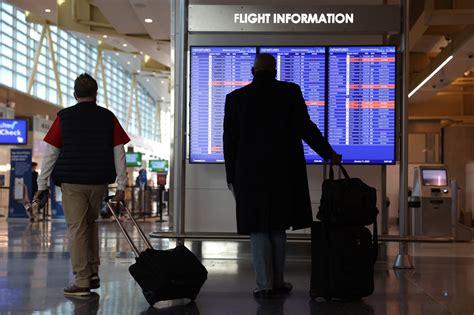
Torrential weather chaos descended upon the United States as Tropical Storm Chantal battered the East Coast, crippling air traffic at some of the nation’s most vital transportation hubs. With over 100 flights canceled and more than 1,700 delays reported across John F. Kennedy International (JFK), Dallas-Fort Worth (DFW), Chicago O’Hare (ORD), and several others, thousands of passengers were left stranded in terminals, many without options for immediate rebooking.
Chantal’s Sudden Strike Disrupts Peak Travel Season
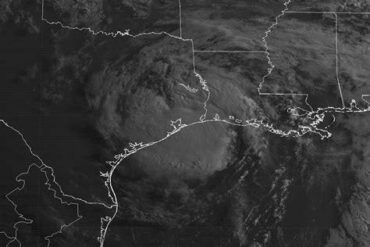
The disturbance began late Saturday as Storm Chantal, the first named tropical system of the 2025 Atlantic hurricane season to make US landfall, roared ashore near Myrtle Beach, South Carolina. While Chantal rapidly weakened into a tropical depression by Sunday evening, its sprawling rain bands and gusty winds—clocked at up to 50 mph—extended deep into the Mid-Atlantic and Northeast.
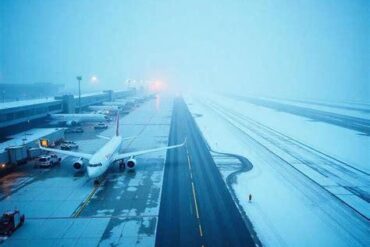
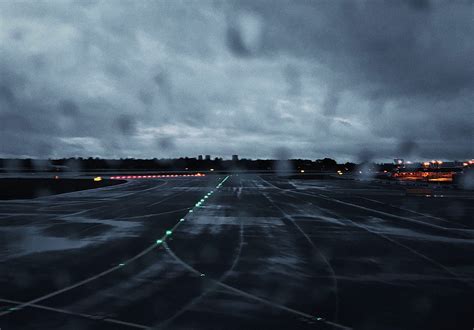
As the storm migrated inland, its residual instability created a web of systemic failures across air traffic control, ground operations, and crew allocations. Flash flooding, low cloud ceilings, and unpredictable visibility rendered runways temporarily useless in many cases.
JFK, DFW, O’Hare Bear the Brunt
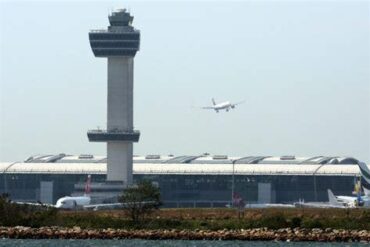
John F. Kennedy International Airport (JFK) saw some of the worst disruptions, logging 29 cancellations and over 200 delays. Delta Air Lines and JetBlue suffered extensive timetable breakdowns, but it was Endeavor Air—a regional carrier operating under Delta—that was forced to cancel 22 flights, amounting to 16% of its daily JFK operations.
Further south, Dallas-Fort Worth International Airport (DFW) experienced severe disarray, with 17 flight cancellations and an overwhelming 629 delays in a single day. American Airlines, with its major hub at DFW, reported a staggering 328 delayed flights alone. Spirit Airlines fared worse by percentage, seeing 28% of its flights delayed, highlighting the vulnerability of ultra-low-cost carriers to schedule volatility.
In the Midwest, Chicago O’Hare International Airport (ORD) was similarly ensnared in weather-related gridlock. SkyWest Airlines was hit hardest with 8 canceled flights and 97 delays, while United Airlines saw 6 cancellations and 50 delays. American Airlines and Frontier also reported widespread disruptions.
Widespread Delays Across Secondary Hubs
The storm’s reach extended beyond the top-tier airports. Newark Liberty International Airport (EWR), George Bush Intercontinental (IAH) in Houston, and Charlotte Douglas International (CLT) were all significantly impacted.
At Newark, United Airlines reported 5 cancellations and 69 delays, while GoJet and Republic Airways also experienced interruptions. In Houston, United saw 7 flights canceled and 77 delayed, with smaller carriers like Mesa and SkyWest reporting additional backlog.
At Charlotte, despite the storm’s downgrade, persistent rain and soaked tarmacs caused 6 cancellations, with American Airlines posting over 100 delays. The storm’s broad footprint and inconvenient timing during a high-travel weekend made swift recovery nearly impossible.
Airline Operations Stretch to the Brink
While all major carriers experienced fallout, certain airline networks buckled more intensely under pressure:
- Spirit Airlines, known for razor-thin turnarounds, was notably paralyzed in several locations.
- Delta Air Lines faced cascading operational strain, particularly at JFK and DFW.
- United Airlines, although resilient in past storms, struggled to contain schedule disruptions across Newark and Houston.
- Air Canada also suffered from downstream effects as international flights into US hubs were impacted.
- Frontier and Alaska Airlines, despite smaller footprints, encountered significant knock-on delays.
Regional carriers such as Endeavor Air, SkyWest, PSA Airlines, and Republic Airways were especially vulnerable. Operating feeder routes with tight crew schedules and minimal redundancy, these airlines saw disproportionate cancellation rates.
Terminal Gridlock and Passenger Fallout
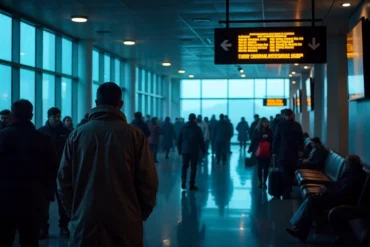
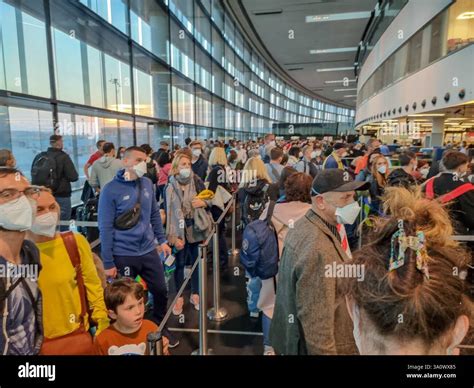
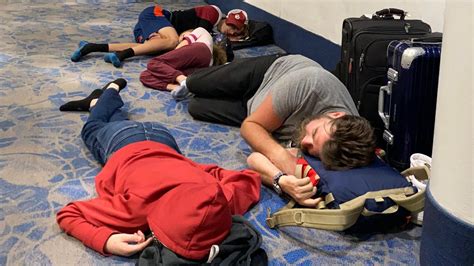
The human impact was immediate and widespread. By late Monday, major airports were overwhelmed with thousands of stranded passengers, many stuck since the previous evening. Rebooking was near impossible for same-day travel, especially on routes already packed for summer.
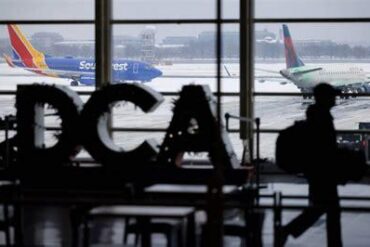
Inside terminals, the scene bordered on chaotic: endless lines at airline counters, exhausted families sprawled across floors, and boards flashing “CANCELLED” on loop. Frustration surged across social media, with real-time images of weary passengers venting at kiosks and pleading for reassignments.
Nearby hotels capitalized on the moment, spiking room prices and filling to capacity. With staffing shortages already affecting hospitality and airline customer service desks pushed online, assistance for the stranded remained fragmented and slow.
Meteorological Recovery Slower Than Anticipated
Despite Chantal’s weakening, the weather system’s disruptive tail continued to interfere with ground operations. Meteorologists warned that lingering instability—marked by scattered showers and low-altitude cloud formations—would limit full recovery efforts for another 24 to 48 hours.
Airport ground crews, already stretched thin due to summer demand, were tasked with repositioning aircraft, redistributing crews, and maintaining safety standards under pressure. In many hubs, available flight slots for repositioning were limited, slowing progress even further.
Airlines moved swiftly to issue weather waivers, allowing impacted travelers to rebook without change fees. However, seat availability remained limited on key routes, creating a bottleneck in recovery.
Breakdown by Numbers: Latest Delay and Cancellation Stats
The following figures, compiled from FlightAware, provide a snapshot of the storm’s toll across primary US airports:
John F. Kennedy International Airport (JFK):
- Endeavor Air: 22 canceled, 25 delayed
- Delta Air Lines: 2 canceled, 35 delayed
- JetBlue: 0 canceled, 53 delayed
Dallas-Fort Worth International Airport (DFW):
- American Airlines: 3 canceled, 328 delayed
- Envoy Air: 9 canceled, 148 delayed
- Spirit Airlines: 0 canceled, 15 delayed
Chicago O’Hare International Airport (ORD):
- SkyWest: 8 canceled, 97 delayed
- United Airlines: 6 canceled, 50 delayed
- American Airlines: 3 canceled, 48 delayed
Newark Liberty International Airport (EWR):
- United Airlines: 5 canceled, 69 delayed
- Republic Airways: 2 canceled, 13 delayed
George Bush Intercontinental Airport (IAH):
- United Airlines: 7 canceled, 77 delayed
Charlotte Douglas International Airport (CLT):
- American Airlines: 2 canceled, 101 delayed
- Endeavor Air: 2 canceled, 2 delayed
Lessons from the Chantal Collapse
Storm Chantal’s timing couldn’t have been worse—arriving just ahead of one of the busiest travel weeks of the summer. Its impact underscores several deeper systemic vulnerabilities:
- Insufficient scheduling elasticity: Airlines, especially low-cost carriers, operate on tight schedules with minimal room for disruption.
- Crew logistics bottlenecks: Delays at one airport cause ripple effects across network crew availability.
- Inadequate ground capacity: Airports struggle to recover from major delays when weather affects multiple regions.
The incident has reopened discussions about the resiliency of the US air travel system, especially as climate volatility increases.
Final Outlook: Fragile Infrastructure Meets a New Climate Normal
What began as a relatively mild tropical event rapidly turned into one of the year’s most disruptive aviation events. With over 100 flight cancellations and widespread delays, Storm Chantal has proven that even moderate storms—when timed just right—can cripple national air logistics.
Though recovery is underway, full normalization across JFK, DFW, O’Hare, and other key airports may not come until midweek. For now, travelers are urged to remain alert, plan contingencies, and prepare for extended delays.
As 2025’s hurricane season begins to stir, Chantal has issued a blunt reminder: US air travel remains at the mercy of the skies, and resilience in infrastructure is more critical than ever.