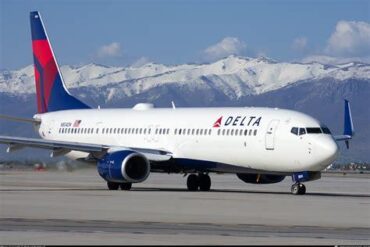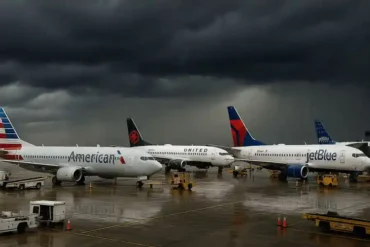
Tampa International Airport (TPA) is at the center of a cascading aviation disruption crisis, as severe thunderstorms have triggered widespread delays and cancellations across major U.S. carriers. On Monday, July 14, 2025, travelers experienced significant setbacks on routes operated by Delta Air Lines, American Airlines, United Airlines, JetBlue Airways, and Southwest Airlines, including their affiliated regional partners. The problem stems from a weather front currently hammering the southeastern United States, particularly central Florida, causing ripple effects throughout the national air travel network.
The Federal Aviation Administration (FAA) has confirmed that air traffic across Tampa’s airspace is severely limited due to adverse storm conditions. Affected airports include major hubs in New York, Miami, San Francisco, and more, underscoring the vulnerability of U.S. commercial aviation infrastructure to climate-related challenges.
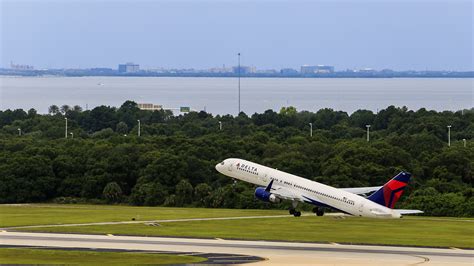
Severe Thunderstorms Bring Operations to a Crawl
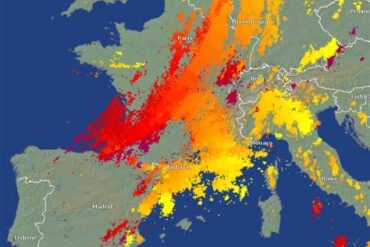
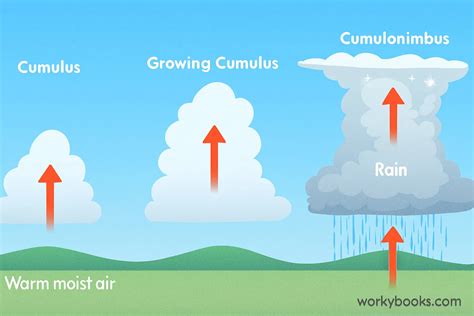
Tampa’s current storm system is part of a recurring summer weather pattern that regularly disrupts southeastern U.S. air corridors. What sets this situation apart is the intensity and persistence of the storm, creating prolonged delays and forcing the FAA to issue rolling Ground Delay Programs (GDPs) and Airspace Flow Programs (AFPs).
According to official FAA reports and verified traveler data:
- Newark Liberty International Airport (EWR) is reporting average delays of 3 hours and 21 minutes.
- John F. Kennedy International Airport (JFK) delays are clocking in at around 3 hours and 15 minutes.
- LaGuardia Airport (LGA) flights are facing delays exceeding 1 hour and 5 minutes.
- Miami International Airport (MIA) is affected with over 2 hours of delay time.
- San Francisco International Airport (SFO), despite being across the country, has seen delays up to 42 minutes due to route adjustments and connected flight schedules.
Cancellations at Tampa have reached at least 12 flights as of noon, with more likely as the storm continues to linger into the evening.
Five Major Airlines, One Weather Catastrophe
The storm has disrupted all five primary U.S. carriers operating out of Tampa:
- Delta Air Lines: Operating several connections to the northeast and west coast, Delta has rerouted or delayed a sizable portion of its daily operations.
- American Airlines: Facing operational strain on flights to and from Miami, Charlotte, and New York.
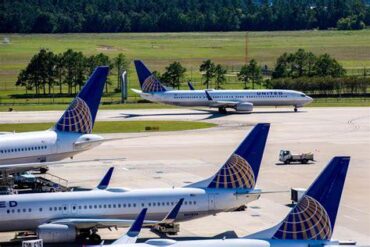
- United Airlines: Experiencing cascading delays from Newark and Chicago hubs.
- JetBlue Airways: Struggling with capacity issues on high-frequency New York routes.
- Southwest Airlines: A significant player at Tampa, Southwest’s point-to-point network model has been heavily disrupted by localized weather volatility.
These carriers are all rerouting aircraft where possible, but congestion in alternate hubs like Atlanta, Houston, and Dallas-Fort Worth means the storm’s impact is extending well beyond Florida.

Passenger Disruption: Long Waits and Uncertain Itineraries
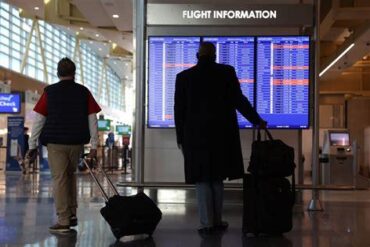
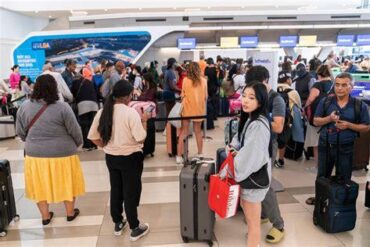
With airline schedules in flux, passengers are enduring extended gate holds, last-minute gate changes, and in some cases, overnight layovers. Tampa International Airport has issued guidance urging travelers to:
- Arrive early, with at least 2 hours for domestic and 3 hours for international flights.
- Monitor airline apps or websites for real-time status updates.
- Prepare for the worst by packing snacks, power banks, and other delay essentials.
- Know your rights under DOT regulations: flight cancellations are eligible for full refunds or rebooked travel at no cost.
At terminal gates, scenes of stranded families, overworked airline agents, and tense travelers are unfolding across all concourses. Communication breakdowns and customer service bottlenecks are adding fuel to already frayed nerves.
Weather Patterns and Their Growing Impact on Aviation
This week’s storm is not an isolated incident but part of an increasingly frequent meteorological pattern that threatens to redefine summer aviation in the U.S. According to NOAA meteorological trends, the Gulf Coast and Southeast region are experiencing longer-lasting and more violent storm cells, often forming with little lead time.
As a result, the FAA and airlines are having to adopt more aggressive contingency measures. Tampa’s layout, although efficient under normal conditions, suffers from limited taxiway redundancy during peak congestion. Once weather conditions force a ground stop or inbound traffic hold, the entire operation grinds to a halt.
Broader National Repercussions
The disruption in Tampa is not confined to Florida. Due to the hub-and-spoke model used by U.S. airlines, delays in one city have a domino effect on others. Key connection hubs such as Atlanta Hartsfield-Jackson, Dallas-Fort Worth, Denver, and Boston Logan are now bracing for incoming aircraft that are either late or operating below expected capacity. Airlines are responding by:
- Consolidating flights, which increases passenger load but reduces available seating.
- Reassigning crews to different aircraft and cities, triggering cascading crew legality issues.
- Preemptively canceling low-demand flights to reduce airport traffic.
Travelers with connecting flights, especially those transferring through Tampa, should be aware that missed connections are highly likely. Airlines are reportedly offering hotel vouchers or meal assistance, but supply is strained as more passengers are stuck overnight.
Tampa’s Operational Vulnerabilities
While Tampa International Airport is generally praised for its efficient design and modern facilities, the current situation exposes several critical weaknesses:
- Limited runway availability: With only three runways, high-volume traffic cannot be easily re-routed in severe weather.
- Geographic exposure: Tampa’s location makes it vulnerable to both Atlantic and Gulf weather systems, increasing the frequency of operational interruptions.
- Airspace complexity: Nearby airspace overlaps with military training zones and congested corridors to Miami and Orlando, limiting maneuverability during emergencies.
These structural constraints mean that weather events hit Tampa harder and linger longer in their effects compared to some inland airports.
What Comes Next: Forecast and Recommendations
Meteorologists predict the storm will persist into the evening hours, with isolated cells reforming overnight. Lightning and wind gusts over 35 mph are being tracked along the western coast, and flash flood advisories are in effect for Hillsborough and Pinellas Counties.
Airline representatives are urging passengers not to attempt standby travel unless absolutely necessary. Full recovery of normal operations is unlikely before Tuesday morning, assuming no additional weather deterioration. For those still planning to travel:
- Rebook now if possible for flights later in the week.
- Avoid late evening departures, which are more likely to be canceled if delays accumulate.
- Use airline chat systems or social media, which are often faster than call centers during high-disruption periods.
FAA officials are maintaining a watch alert and have stated that updated GDPs and re-routing options will be posted hourly through their official channels.
A Call for Greater Coordination and Resilience
This latest disruption event underlines the fragility of America’s air travel grid in the face of localized weather events. Airports and airlines alike must invest in more robust infrastructure, including:
- Weather-resilient routing technologies and AI-driven dispatch systems.
- Expanded crew reserves and cross-training for greater operational flexibility.
- Better passenger communication protocols, ensuring transparency in moments of uncertainty.
Ultimately, travelers must also adopt a new mindset: weather volatility is the new normal, and flexibility is not just preferred—it’s essential. The storm over Tampa is a clear reminder that the skies above us are changing, and with them, the rules of modern aviation.